Managing digital platforms at an enterprise scale requires strict oversight and precise execution. Without robust enterprise web governance, platforms easily fracture into chaotic, unmanageable silos. Modern enterprises rely heavily on robust systems to securely scale their overall digital presence.
Implementing reliable content operations guarantees your website functions as a strategic asset. By securing your workflows, you boost operational efficiency and carefully protect sensitive customer data. A highly disciplined approach drives revenue and continuously supports sustainable business growth.
TL;DR: Mastering Large-Scale Website Oversight
- Establish strict rules: Create defined workflows to safely organize web content and protect valuable digital assets.
- Control access levels: Restrict system permissions immediately so only authorized users can alter critical business pages.
- Maintain legal compliance: Ensure your platform consistently meets strict regulatory requirements and major industry standards.
- Embrace future tech: Utilize headless architectures and automation to keep digital operations agile and completely secure.
What is Enterprise Web Governance in WordPress and Why Does it Matter?
Enterprise web governance dictates how a large organization manages its online footprint. It goes beyond simple website maintenance.
It involves a strategic combination of people, processes, and technology. You need this structure to manage your digital platforms effectively. Without it, your digital presence quickly becomes disjointed and risky.
Definition: Enterprise Web Governance and Content Control in CMS
Enterprise web governance serves as the foundational rulebook for your online operations. It defines specific procedures for managing every piece of web content.
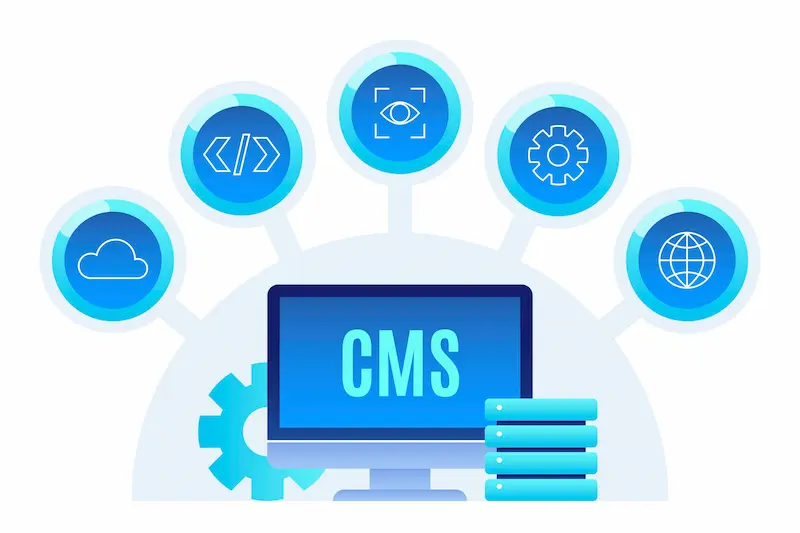
This includes clear guidelines for creation, publication, and long-term archiving. A structured web governance model prevents unauthorized changes and standardizes brand messaging.
Content control within a Content Management System directly supports these rules. It limits what users can see and modify.
This control prevents non-technical users from breaking complex page layouts. Robust content control acts as the technical enforcement of your overarching governance policies.
Importance of Governance for Large-Scale WordPress Websites
As large organizations scale their digital footprint, they naturally produce massive daily volumes of information that demand strict operational boundaries.
A solid enterprise web governance framework essentially transforms your standard WordPress installation from a simple publishing tool into a highly secure, revenue-generating engine.
- Strategic Brand Alignment: A structured system definitely prevents decentralized or isolated departments from accidentally publishing conflicting information. It maintains critical, overarching strategic alignment across diverse global marketing teams to ensure a unified voice.
- Unyielding Platform Stability: Effective oversight guarantees your enterprise platform remains completely stable and highly responsive. It actively protects the user experience during unexpected, massive traffic spikes or intensive marketing campaigns.
- Proactive Reputation Management: Strict governance rules meticulously protect your brand’s public image. This oversight ensures that your WordPress site consistently delivers an exceptional, professional experience to every visitor.
- Organized Content Volume: Managing a vast repository of digital assets requires imposing necessary structural boundaries. Governance frameworks organize this sheer volume, making specific assets easily discoverable and perfectly formatted for end-users.
- Secure Business Engine: By securing the foundational elements of your digital presence, governance shifts your website’s primary role. It evolves into a thoroughly reliable, protected system that actively drives core business objectives forward without interruption.
Scale Your Enterprise WordPress with Confidence
Get expert solutions for governance, security, and performance tailored to your business needs.
Key Challenges in Enterprise Content Management
Managing a sprawling, enterprise-level content management system introduces several unique operational hurdles that can completely stall your digital operations.

Without strict oversight, departments frequently struggle with competing priorities and incredibly vague decision-making authority.
- Wasted Operational Resources: Unclear leadership boundaries and disorganized communication directly lead to overlapping departmental projects. This internal confusion generates unnecessary duplication and drains valuable resources from true strategic initiatives.
- Technical System Bottlenecks: Integrating aging legacy systems creates immensely frustrating technical roadblocks for your internal IT staff. These outdated configurations struggle to support modern web architectures, heavily slowing down overall platform agility and developer speed.
- Sluggish Content Deployment: Agile marketing teams frequently fail to launch critical, time-sensitive campaigns on schedule. This painful deployment delay almost always stems from broken, overly complex, or completely unstandardized internal approval processes.
- Complex Legal Hurdles: Operating on a global scale requires managing highly sensitive customer data across multiple distinct international regions. Navigating these varied, constantly shifting privacy laws introduces severe compliance challenges that require dedicated legal oversight.
- Fragmented Departmental Goals: Isolated internal teams routinely push competing digital priorities without referencing a centralized corporate strategy. This aggressively siloed approach disrupts the unified user experience and actively damages your overarching brand narrative.
Benefits of Strong Governance Frameworks in WordPress
Deploying a highly structured governance framework yields massive long-term value and establishes a very clear operational path forward for your business.
It fundamentally builds a highly resilient, optimized system fully capable of handling the intense daily demands of any modern organization.
- Drastic Efficiency Gains: Overall operational efficiency improves noticeably across all participating global departments. Cross-functional teams execute their daily tasks smoothly without constantly second-guessing technical procedures or waiting for poorly defined approvals.
- Reduced Troubleshooting Time: By strategically standardizing page templates and limiting user access controls, administrators drastically reduced avoidable technical errors. Staff spend significantly less time fixing broken layouts, correcting formatting, or investigating accidental publishing mistakes.
- Elevated Content Quality: Removing operational friction frees your dedicated marketing teams to focus solely on strategy. They spend considerably more time crafting high-quality, engaging content that actively drives measurable business growth and customer conversions.
- Minimized Security Risks: A rigid, well-enforced framework rigorously protects vital customer data against both accidental internal exposure and malicious external breaches. It significantly lowers your overall vulnerability profile by establishing non-negotiable system security protocols.
- Strict Privacy Adherence: Clearly documented organizational rules ensure your platform consistently meets the highest legal standards. This proactive approach to data compliance ensures your enterprise completely avoids the devastating financial penalties associated with violating international privacy laws.
Core Components of Enterprise Content Governance in WordPress
A successful web governance model relies on several distinct foundational pillars. You must integrate these core components to achieve true operational stability.

- Role-Based Access: Administrators must strictly restrict system capabilities. You should assign permissions based on a user’s exact job function. This prevents unauthorized users from accidentally compromising security.
- Approval Workflows: Structured gates ensure quality control. Content must pass through specific editorial reviews before going live. This guarantees alignment with internal brand standards.
- Audit Trails: Transparency remains critical for accountability. System logs must track every single user action and modification. This helps administrators trace errors back to their exact source.
- Digital Asset Management: Media files require strict organizational rules. You must define clear naming conventions and folder structures. This keeps digital assets easily searchable and fully optimized.
- Automated Backups: Disaster recovery plans are non-negotiable. You must configure daily backups to protect against catastrophic data loss. This ensures business continuity during unexpected outages.
Content Architecture and Structuring for Enterprise WordPress
Content architecture forms the essential skeleton of your enterprise platform. It defines how information connects and flows throughout your website.
Strong enterprise web governance demands meticulous planning of these structural elements. Poor architecture deeply confuses visitors and damages your search engine visibility.
Modern enterprises effectively utilize advanced taxonomies and custom post types. These tools build distinct content models for highly specific data. Structuring your data ensures that content created by global teams remains perfectly uniform. It simplifies the user journey and improves navigation immensely.
Structured content also prepares your business for omnichannel distribution. It allows developers to easily push data to mobile apps or digital kiosks.
By organizing data logically, you maximize the overall value of your content operations. A well-planned architecture ensures your website scales gracefully as your organization grows.
Tools and Features for Content Control in Enterprise WordPress
WordPress’s greatest strengths lie in its massive, adaptable ecosystem. Enterprise teams leverage specialized plugins and managed platforms to enforce rigorous content control and streamline their daily operations.
- Native Version Control: WordPress constantly tracks document revisions behind the scenes. Tools like PublishPress Revisions heavily extend this built-in feature, allowing editorial teams to securely manage complex approvals and instantly revert costly mistakes.
- Managed WordPress Solutions: Many large organizations rely exclusively on enterprise-grade hosting platforms. Services like Bluehost, WP Engine, and Hostinger handle complex object caching, security patching, and load balancing automatically, freeing your internal marketing teams from the heavy technical lifting.
- Advanced SEO Enforcement: Sophisticated plugins introduce highly advanced capabilities directly into the content editor. You can utilize famous tools like Rank Math Enterprise to mandate strict SEO checklists before any article is allowed to go live.
- Accessibility Compliance: Maintaining digital accessibility is a core governance requirement. Specialized plugins like Accessibe scan your content dynamically, ensuring your editors adhere to strict WCAG guidelines without needing technical coding knowledge.
- Integrated Analytics Platforms: Integrating powerful tracking software helps administrators actively monitor user behavior and content performance. Using industry standards like Google Analytics 4 (GA4) provides the deep insights necessary to make effective web governance both achievable and highly measurable
Ensuring Compliance, Security, and Risk Management
Safeguarding your enterprise platform is a proactive, ongoing discipline rather than a reactive afterthought.
A single security breach can devastate your brand reputation and bottom line overnight, making robust risk management strategies absolutely non-negotiable.

- Proactive Threat Mitigation: Protect sensitive data actively against modern, evolving cyber threats. This requires IT administrators to establish automated, immediate vulnerability patching and constant threat monitoring across the entire digital ecosystem.
- Strict Legal Compliance: Adhere rigidly to industry-specific regulatory requirements and global data privacy laws, such as GDPR or HIPAA. Your overarching governance policies must explicitly dictate exactly how customer data is collected, processed, and securely stored to prevent devastating financial penalties and legal fallout.
- Rigorous Access Controls: Limit system entry strictly to authorized users based on their specific job responsibilities. Administrators must enforce stringent access rules to ensure that only designated personnel can view, manage, or alter critical infrastructure and digital assets.
- Authentication Mandates: Require complex passwords and mandatory multi-factor authentication (MFA) for every single user accessing the content management system. This strictly prevents unauthorized individuals from compromising security through stolen or weak credentials.
- Dynamic Defense Mechanisms: Implement rotating credentials and automated session timeouts across your network. This adds a necessary, advanced layer of defense against automated bot attacks and brute-force intrusion attempts, keeping your digital operations highly secure at all times.
Best Practices to Implement Enterprise Web Governance in WordPress
Implementing effective web governance requires strategic planning and careful execution. You cannot simply install a plugin and declare the job finished.
Organizations must adopt proven best practices to guarantee long-term success. Follow these structured steps to build a highly resilient WordPress ecosystem.
Define Clear Governance Policies and Documentation
The absolute foundation of web management is clear, accessible documentation. You must define roles accurately to prevent dangerous overlapping responsibilities.
Every single user needs a concrete understanding of their system permissions. Ambiguity always leads to costly operational mistakes.
Create highly comprehensive guidelines outlining your specific governance policies. This official documentation must cover brand voice, image formatting, and publishing schedules.
A clearly documented governance framework completely eliminates guesswork. It standardizes your digital presence and empowers your team to work confidently.
Establish Structured Editorial Workflows and Responsibilities
Editorial teams require clearly defined paths from initial draft to final publication. Custom approval processes prevent unapproved or risky content from going live. You should establish distinct, hard-coded stages for drafting, editing, and legal review.
Assign very specific responsibilities to each stage of your workflow. For example, legal teams must approve specific financial claims before any article goes live.
This structured process guarantees that all web content safely supports your core business goals. It maintains quality without sacrificing publishing speed.
Read More: Content Strategy for WordPress Websites
Standardize Content Templates and Reusable Components
Visual and functional consistency is a primary hallmark of modern organizations. You should standardize your page layouts using reusable, locked blocks and templates.
This smart approach completely eliminates unauthorized design deviations. It speeds up the daily publishing process significantly for your marketing teams.
Restricting custom code input prevents non-technical users from accidentally breaking page layouts. Reusable components also simplify massive global updates.
If your corporate branding changes, you only update the core component once within the same CMS. This strategy drives massive cost efficiency.
Use Centralized Dashboards for Monitoring and Reporting
Deep visibility is essential for maintaining effective governance. You should implement centralized dashboards to monitor overall website health and the performance of active content.
These sophisticated tools provide vital, real-time insights into user behavior and frustrating system errors.
Analytics platforms must integrate directly into your daily editorial workflow. Administrators can quickly identify workflow bottlenecks and monitor the exact speed of approval processes.
This strictly data-driven approach allows leaders to continuously refine their enterprise web governance strategies. It ensures your tactics always align with the organization’s high-level goals.
Regular Audits and Performance Tracking
A successful governance model requires ongoing maintenance and careful observation. You must schedule periodic, rigorous reviews of your entire content library.
Audits help you quickly identify outdated, inaccurate, or underperforming digital assets. Pruning old content keeps your enterprise platform fast and highly relevant.
Conduct mandatory security audits to verify that current access controls remain appropriate. You must immediately remove system permissions for employees who change departments or leave the company.
Consistent performance tracking guarantees your platform maintains high operational readiness. It ensures your platform continuously meets all strict compliance requirements.
Training Teams for Governance Adoption and Consistency
Even the most expensive tools fail completely without proper user adoption. You must invest heavily in comprehensively training your diverse enterprise teams. Leaders must explain the critical “why” behind their governance policies, not just the technical “how.”
Create engaging, interactive training modules for all new hires. Offer necessary refresher courses when you introduce complex new technologies or software updates.
When your staff truly understands the value of effective web governance, compliance skyrockets. Consistent training ensures your rules are actually followed in practice.
Future of Enterprise WordPress Governance with AI and Headless CMS
The overall landscape of enterprise web governance is shifting rapidly. Artificial Intelligence (AI) actively transforms how modern enterprises manage content.
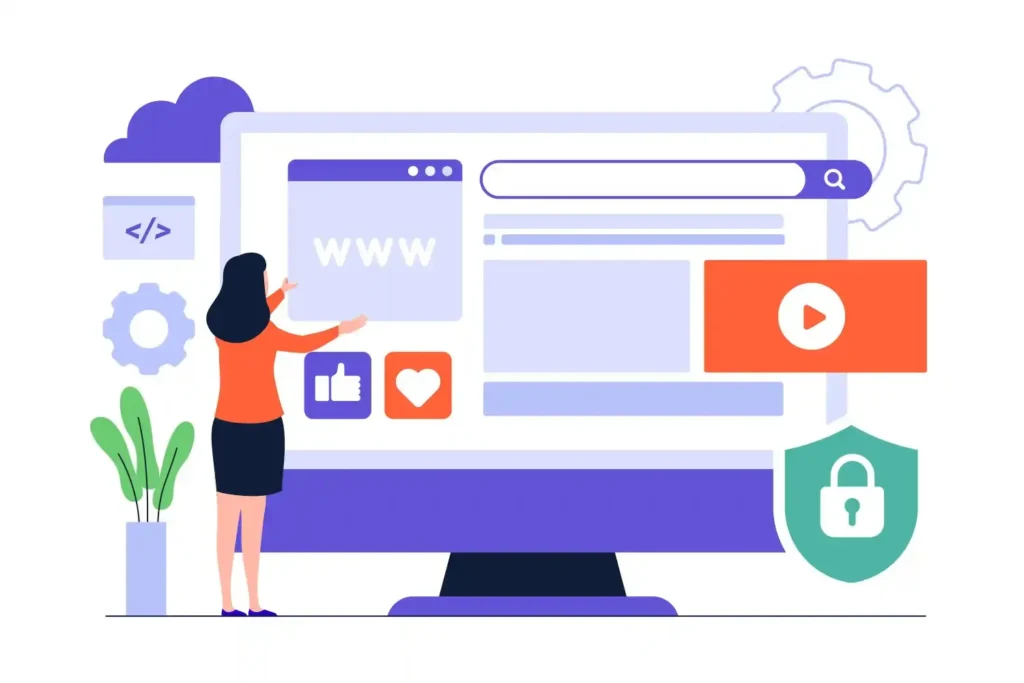
AI tools now automate highly tedious and routine governance tasks effortlessly. They can instantly scan new drafts for exact brand compliance and flag accessibility violations before publication.
Simultaneously, the massive shift towards a headless CMS architecture completely rewrites the governance paradigm.
Decoupling the front-end design from the back-end database gives organizations incredible flexibility. This modern approach enables your marketing teams to push content dynamically to multiple digital platforms from a single central hub.
However, headless setups demand significantly stricter development governance. Engineers must ensure that all data APIs remain secure and correctly versioned. Furthermore, adopting open-source headless solutions helps businesses avoid the dreaded vendor lock-in associated with rigid proprietary systems.
Incorporating automated testing ensures these complex integrations function flawlessly. The future of web governance belongs to organizations that intelligently blend AI automation with highly flexible architectures.
Conclusion
Establishing an airtight enterprise web governance strategy is a mandatory business investment. It effectively transforms WordPress from a standard CMS into a highly secure, scalable enterprise platform.
By implementing strict role-based access and structured workflows, you actively protect your valuable digital assets. You guarantee a seamless experience for your global audience.
Remember that effective governance always requires continuous, dedicated effort. You must regularly update your governance framework to keep pace with rapidly evolving technologies. Keep your editorial teams perfectly aligned with your most critical organizational goals.
Ultimately, a flawlessly governed WordPress ecosystem drives exceptional operational efficiency. It completely secures your brand’s digital presence against modern threats. It empowers your entire organization to scale operations confidently, knowing every asset is tightly controlled.
FAQs About Enterprise Web Governance
What is website governance in an enterprise CMS like WordPress?
Website governance defines rules, workflows, and responsibilities. An enterprise CMS helps teams manage content, maintain consistency, and ensure compliance. WordPress delivers structured workflows and permissions for better control.
How does WordPress support effective web governance for enterprise teams?
WordPress delivers role-based access, approvals, and audit trails. These features help enterprise teams manage content operations efficiently. It also scales with the organization’s size and supports complex publishing needs.
What are the common challenges in enterprise content management?
Common challenges include unclear workflows, inconsistent branding, and poor role allocation. Without governance, enterprise teams struggle to define roles and maintain quality across the content management system.
Can WordPress handle enterprise-grade requirements and business growth?
Yes, WordPress is an enterprise platform that supports scalability and flexibility. It helps businesses manage large content volumes, launch campaigns faster, and support long-term business growth with enterprise-grade capabilities.
How can enterprises improve content operations using WordPress?
Start by implementing effective web governance. Define workflows, assign ownership, and standardize templates. This improves content operations, reduces errors, and helps teams manage content efficiently within an enterprise CMS.