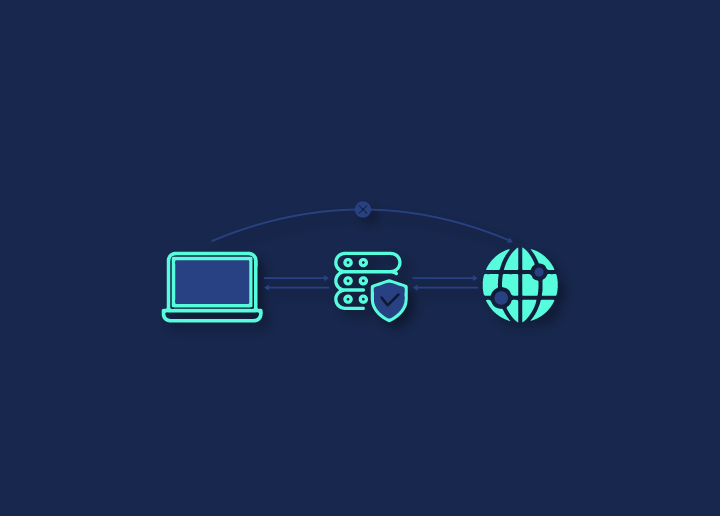
Monitoring your website is essential to protect it from hackers, malware, and other cyber threats. Website security monitoring services work continuously to scan for vulnerabilities, suspicious activity, and potential attacks. They send real-time alerts so you can respond quickly before issues escalate.
These services also analyze traffic patterns to detect unusual spikes, unauthorized access attempts, or malicious behavior. By identifying threats early, you reduce downtime, protect sensitive data, and maintain website performance and user trust.
TL;DR: Why 24/7 Website Monitoring is Non-Negotiable?
- Continuous monitoring detects vulnerabilities, malware, and suspicious activity before they cause major damage.
- Real-time alerts reduce downtime and protect sensitive data, revenue, and user trust.
- Advanced layers, such as Web Application Firewalls and File Integrity Monitoring, proactively block and detect threats.
- Compliance-focused monitoring supports audits, protects customer data, and strengthens long-term business reliability.
Benefits of Using Website Security Monitoring Services
Numerous benefits come with using website security monitoring services, including:
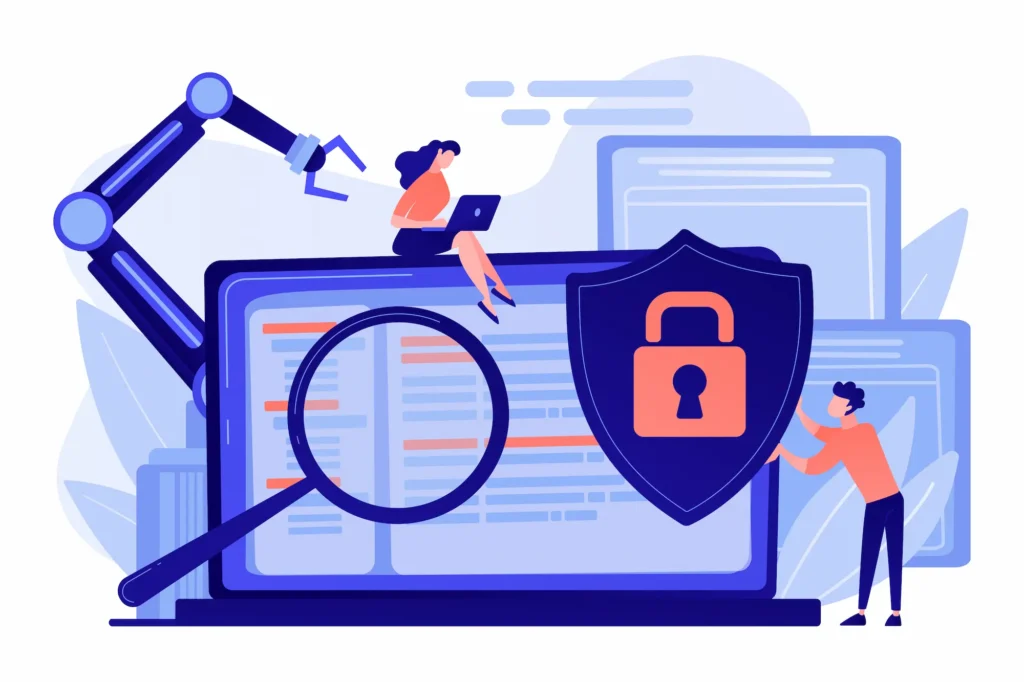
- Real-time monitoring of your website for potential threats.
- Immediate alerts if your site is hacked or under attack.
- Protection against SQL injections, cross-site scripting, and other cyber threats.
- Peace of mind knowing that your website is secure.
Website Compromised? Get it Repaired Swiftly!
Don’t let cyber threats disrupt your online presence. Our expert team is ready to restore your hacked website and enhance its security.
Types of Cyber Attacks Monitored
There are various types of cyber attacks, but effective security services monitor for the most common and damaging types, including:
- SQL injection attacks: These attacks exploit vulnerabilities in web applications to inject malicious code into databases, potentially allowing attackers to access sensitive data or control the entire website.
- Cross-site scripting (XSS) attacks: These attacks inject malicious code into web pages executed by unsuspecting users who visit the site. This method can allow attackers to steal information or hijack sessions.
- Distributed denial-of-service (DDoS) attacks: These attacks overload servers with traffic to crash the system. This action can cause temporary or permanent damage to a website and may be costly to recover from.
- Malware infections: Malware is software designed to harm a computer system. It can infect a website and spread to visitors’ computers, causing significant damage.
- Phishing attacks: These attacks use fake emails or websites to trick people into revealing sensitive information, such as login credentials or credit card numbers. Phishing can also be used to install malware on a victim’s computer.
- Brute-force attacks: These attacks attempt to gain access to a system by guessing passwords or other login credentials. Despite being time-consuming, if successful, they can give an attacker full access to a website or server.
Related: How to Fix ‘Deceptive Site Ahead’ Warning
How Can You Protect Your Website From Cyber Attacks?
No website is entirely immune to cyber attacks, but several steps can be taken to enhance protection. Critical security measures include:
- Use strong passwords and change them regularly.
- Install security plugins and update them regularly.
- Keeping your website platform (such as WordPress) up to date.
- Limiting login attempts and using two-factor authentication.
- Regularly backing up your website.
Consider hiring a security professional or a managed security service to monitor your website and help you protect it from attacks.
It’s also important to create an effective incident response playbook to ensure your team can respond quickly and efficiently in the event of a breach.
Additionally, organizations can strengthen their security posture by periodically conducting breach-and-attack simulation exercises, which involve running controlled attack scenarios to identify vulnerabilities and weaknesses in defenses before real threats can exploit them.
Learn: How to Protect Your WordPress Site From Malware
Advanced Website Monitoring and Protection Layers
Strengthening your site requires more than basic monitoring, so these advanced protection layers improve visibility, performance, security, and long-term reliability.

Web Application Firewall and Edge Level Threat Filtering
A Web Application Firewall adds an active protection layer in front of your site. It filters malicious HTTP requests before they reach your server and infrastructure. Unlike passive monitoring, a firewall blocks threats in real time, protecting both website uptime and performance.
Modern firewalls work alongside a content delivery network to improve website speed, reliability, and global availability. They also help reduce downtime by filtering bots, brute-force attempts, and malicious API requests.
Key capabilities include:
- IP reputation filtering across thousands of locations
- Rate limiting to protect transactions and user interactions
- Bot management to protect forms, login pages, and checkout
- Virtual patching to fix vulnerabilities without code changes
- Real-time notifications via email or Slack
This layered strategy protects end users, preserves user experience, and safeguards revenue and brand reputation.
File Integrity Monitoring and Log Analysis
File Integrity Monitoring strengthens 24-hour monitoring by detecting unauthorized changes across your site.
Attackers often silently inject malicious JavaScript, alter CSS, or modify core files. Continuous checks help you track these changes at regular intervals and maintain site performance and stability.
This layer focuses on visibility and proof of system health. It monitors:
- Core file changes in applications and plugins
- Unexpected updates to webpages or server configurations
- Suspicious login attempts in logs
- Malware signatures in text, images, or code
Log analysis also helps identify performance issues and bottlenecks. For example, unusual spikes in requests may signal attacks or infrastructure strain that impacts page performance and website uptime.
By analyzing logs, performance metrics, and error reports, developers gain insights for troubleshooting. This improves efficiency, reduces delays, and protects both seo rankings and conversions.
Continuous Monitoring for Compliance and Data Protection
For enterprises and growing businesses, monitoring is not only about security. It also supports compliance, governance, and risk management.
Many industries must comply with standards such as GDPR, PCI DSS, and HIPAA. Continuous monitoring provides the documentation and reports required for audits.
Strong compliance-focused monitoring includes:
- Uptime monitoring with detailed availability reports
- Transaction monitoring for checkout and api endpoints
- User monitoring to track suspicious interaction patterns
- Secure logs retention for incident investigation
Real-time alerts ensure teams respond quickly to issues that could affect customers or violate service-level agreements. Status pages keep clients informed during downtime and strengthen trust.
By aligning monitoring with compliance best practices, a company protects sensitive data, avoids penalties, and maintains reliability. This directly supports the bottom line, customer confidence, and long-term business growth.
Final Thoughts
Website security monitoring services are invaluable for protecting websites from cyberattacks. While it’s impossible to guarantee that your site will remain 100% secure, these services will proactively monitor the web 24/7 to alert you if any malicious activity is detected.
With this vigilance, you can have peace of mind, knowing that your website and data are being safeguarded around the clock. Prioritizing investment in a reliable security solution lets you focus on other aspects of running your business securely.
FAQs About Monitoring Your Website
What is website security monitoring, and why is it important?
Website security monitoring tracks your site in real time to detect threats, malware, and suspicious activity. It helps prevent downtime, data breaches, and revenue loss. Continuous monitoring protects website uptime, user experience, and brand reputation.
How does uptime monitoring improve business performance?
Uptime monitoring checks your domain and server regularly. It alerts you when downtime occurs. This reduces delays, protects conversions, and ensures visitors can access your webpages at any time. High availability supports seo and customer trust.
What is the difference between synthetic monitoring and real user monitoring?
Synthetic monitoring runs tests from multiple locations to measure website speed, LCP, CLS, and other performance metrics. Real user monitoring tracks actual user interactions in the browser. Together, they provide insights into page performance and device responsiveness.
Can monitoring improve website performance and SEO rankings?
Yes. Performance monitoring identifies bottlenecks, slow requests, layout shift issues, and third-party script delays. Fixing these problems improves page speed, stability, and search engine visibility, including Google rankings.
Do small businesses need 24-hour monitoring?
Yes. Even small sites face attacks and performance issues. Continuous monitoring protects transactions, API endpoints, and customer data. It ensures reliability, supports growth, and safeguards revenue.