WordPress vs Headless CMS is now central to modern digital strategy decisions. As digital experiences rapidly evolve across multiple channels, businesses must adapt to AI-driven content and rising performance expectations. However, many organizations still struggle to choose between familiar, all-in-one systems and modern, flexible architectures.
On one hand, WordPress continues to dominate due to its ease of use and vast ecosystem. On the other hand, headless CMS solutions are gaining traction for their scalability and omnichannel capabilities.
This shift creates uncertainty for decision-makers aiming to balance cost, flexibility, and future growth. In this guide, you’ll discover how to evaluate both options based on ROI, scalability, and long-term readiness, so you can make a confident, strategic choice.
TL;DR: WordPress CMS vs Headless CMS Key Takeaways
- WordPress is ideal for simple, content-driven websites with faster deployment and lower upfront costs.
- Headless CMS offers superior scalability, flexibility, and performance for complex, omnichannel digital experiences.
- Monolithic vs decoupled architecture is the core difference that influences speed and customization.
- A headless CMS supports emerging trends such as AI, composable architecture, and omnichannel delivery.
- A hybrid (WordPress + headless) approach is a practical transition strategy.
- The final choice depends on budget, technical resources, and long-term growth goals.
WordPress and Headless CMS: A Quick Overview
Understanding the difference between WordPress and a headless CMS is essential for making a strategic CMS decision. While both manage content, they differ significantly in architecture, flexibility, and scalability.
What is WordPress?
WordPress is a traditional, monolithic CMS in which the backend (content management) and the frontend (design and display) are tightly integrated.

It offers a vast ecosystem of themes and plugins, making it easy to build and manage websites without deep technical expertise. This simplicity has made it a popular choice for businesses of all sizes.
When Should You Choose WordPress?
Choosing WordPress makes sense when your priority is simplicity, speed, and cost-efficiency. It’s a practical solution for businesses that need a reliable website without complex development requirements.
- Ideal Use Cases: WordPress is best suited for blogs, content-heavy websites, and small-business platforms. It is particularly suitable for startups or teams with limited technical resources and minimal development bandwidth.
- Benefits: One of the biggest advantages is faster time-to-market, allowing you to launch quickly. Additionally, lower development and maintenance costs make it a budget-friendly option for growing businesses.
- Example Scenarios: Common use cases include local business websites, personal blogs, and portfolio sites. These projects typically don’t require advanced scalability or multi-channel content delivery.
If your current needs are straightforward and you want a quick, cost-effective solution, WordPress delivers strong value without unnecessary complexity.
What is a Headless CMS?
A headless CMS is a decoupled system that manages content in the backend and delivers it via APIs to any frontend. These platforms enable developers to build highly customized digital experiences across web, mobile, and other channels.
When Should You Choose a Headless CMS?
Choosing a headless CMS is ideal when flexibility, scalability, and performance are critical.
- Ideal Use Cases: A headless CMS is best suited for enterprise-level applications, omnichannel platforms, and high-performance websites. It supports seamless content delivery across the web, mobile apps, IoT devices, and other digital interfaces.
- Benefits: The biggest advantage is future scalability, allowing your system to grow without limitations. Additionally, seamless integrations with third-party tools and APIs enhance functionality, while developer flexibility enables fully customized frontend experiences.
- Example Scenarios: Common use cases include eCommerce platforms, SaaS products, and digital ecosystems that require real-time content updates across multiple channels. These scenarios demand speed, reliability, and adaptability.
If your goal is long-term growth and digital transformation, a headless CMS provides the foundation for building scalable, future-ready digital experiences without being constrained by traditional system limitations.
Upgrade to a Headless CMS Today!
Transform your existing WordPress setup into a high-performance, scalable digital experience without sacrificing usability. Start your transition today and unlock faster, future-ready content delivery.
WordPress vs Headless CMS: Quick Comparison Table
When evaluating WordPress vs a headless CMS, the core differences lie in architecture, performance, flexibility, and scalability. Your choice should align with business goals, technical capabilities, and long-term growth plans.
| Feature | WordPress | Headless CMS |
|---|---|---|
| Architecture | Monolithic | Decoupled (API-first) |
| Performance | Moderate (plugin-dependent) | High (CDN + static delivery) |
| Flexibility | Limited (themes/plugins) | High (custom frontend frameworks) |
| Scalability | Requires optimization | Built for scaling |
| Security | Higher risk | Lower attack surface |
| Initial Cost | Low | Higher |
| Long-term ROI | Moderate | High |
WordPress vs Headless CMS: Key Feature Differences
Understanding the feature difference between WordPress and a headless CMS is critical for making a strategic CMS investment.
Monolithic vs Decoupled Architecture
WordPress operates on a monolithic architecture in which the backend (content management) and the frontend (presentation layer) are tightly coupled. This makes it easier to manage but limits flexibility when scaling across multiple platforms.
In contrast, headless CMS platforms use a decoupled, API-first architecture. This separation allows developers to deliver content across websites, mobile apps, and other digital channels seamlessly, without being restricted by a single system structure.
Verdict: Headless CMS is the better choice for businesses planning omnichannel delivery and long-term flexibility.
Website Performance
WordPress performance often depends on the number of plugins and themes, as well as the quality of the hosting. As complexity increases, websites may experience slower load times unless heavily optimized.

On the other hand, headless CMS improves performance through API-driven content delivery, CDN integration, and static site generation. This results in faster page loads, better Core Web Vitals, and improved user experience across devices.
Verdict: Headless CMS clearly outperforms WordPress when speed, performance, and SEO are top priorities.
Design Customization and Flexibility
WordPress offers customization through themes and plugins, which work well for standard websites. However, it can become restrictive when building highly interactive or unique digital experiences.
A headless CMS removes these limitations by allowing developers to use any frontend framework, such as React, Vue, or Angular. This enables complete design freedom and tailored user experiences.
Verdict: Headless CMS is ideal for projects requiring advanced customization and unique frontend experiences.
Scalability
Scaling WordPress requires additional infrastructure, caching mechanisms, and continuous performance optimization. While possible, it can become resource-intensive as traffic grows.
Headless CMS platforms are designed for scalability from the ground up, supporting high traffic volumes and distributed systems effortlessly. This makes them suitable for enterprises and rapidly growing platforms.
Verdict: Headless CMS is more reliable for scaling applications and handling increasing user demands.
Website Security
Due to its widespread use, WordPress is a common target for cyberattacks, especially through outdated plugins and themes. Maintaining website security requires regular updates and monitoring.
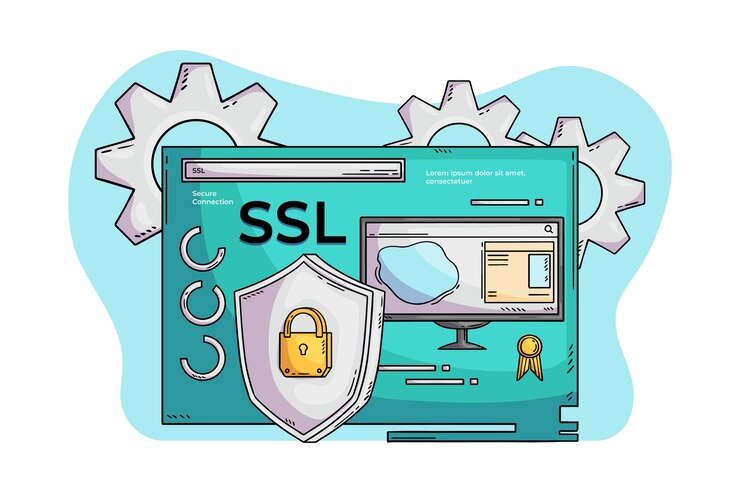
In contrast, a headless CMS reduces the attack surface by decoupling the frontend from the backend, limiting direct access points. This architecture inherently improves security posture.
Verdict: Headless CMS offers a stronger, more modern security framework.
Cost Considerations
WordPress is known for its low upfront costs, making it attractive for startups and small businesses. However, ongoing expenses related to maintenance, security, and performance optimization can add up over time.
A headless CMS requires a higher initial development investment but offers better long-term ROI through scalability, reduced technical debt, and improved performance.
Verdict: WordPress is cost-effective initially, while headless CMS delivers better value for long-term growth.
WordPress + Headless: The Hybrid Approach
The hybrid approach combines the strengths of WordPress with modern frontend frameworks, enabling businesses to balance ease of use with advanced performance.
In this setup, WordPress serves as the backend content repository, while technologies such as React, Vue, or Next.js handle the frontend. This decoupled model allows teams to retain a familiar content management interface while significantly improving speed, flexibility, and user experience across platforms.
Benefits: This approach offers the best of both worlds: WordPress’s intuitive dashboard for content teams and modern, API-driven delivery for developers. It enhances performance, supports omnichannel distribution, and reduces dependency on heavy themes or plugins.
Use Cases: Hybrid WordPress is ideal for businesses gradually transitioning to a headless architecture. It suits organizations that want to modernize their frontend without completely replacing their existing CMS infrastructure.
Future Trends in Content Management Systems
Content management systems are evolving rapidly to support scalability, personalization, and multi-channel delivery. Emerging technologies and architectures are reshaping how businesses manage and distribute content in a digital-first ecosystem.
Rise of Composable Architecture
Composable architecture, built on MACH principles (Microservices, API-first, Cloud-native, Headless), is gaining traction among enterprises. It allows businesses to select best-of-breed tools and integrate them seamlessly, improving flexibility, scalability, and faster innovation cycles.
AI-Driven Content Management
AI is transforming CMS platforms through automation and personalization. Tools like ChatGPT enable content generation, optimization, and dynamic user experiences. This reduces manual effort while improving engagement and targeting accuracy.
Omnichannel Content Delivery
Modern CMS platforms are no longer limited to websites. Businesses now deliver content across mobile apps, smart devices, wearables, and more. Headless architecture plays a key role in ensuring consistent content delivery across all digital touchpoints.
Performance and Core Web Vitals Focus
Website speed and performance are critical ranking and conversion factors. CMS platforms are increasingly optimized for Core Web Vitals, leveraging CDNs, caching, and lightweight frameworks to deliver faster and smoother user experiences.
Hybrid CMS Models
Hybrid CMS models combine the ease of WordPress with the flexibility of headless architecture. This approach allows businesses to maintain a familiar backend while adopting modern frontend technologies for enhanced performance and scalability.
Final Verdict
Choosing between WordPress and a headless CMS ultimately comes down to your business priorities, technical capabilities, and long-term vision. There’s no one-size-fits-all answer; only the solution that aligns with your current needs and future goals.
- Start by evaluating your budget: WordPress typically requires a lower upfront investment, while a headless CMS demands higher initial development costs.
- Next, assess your technical resources: WordPress is easier to manage for non-technical teams, whereas headless CMS requires skilled developers.
- Finally, consider your growth plans: If you anticipate scaling across multiple platforms or handling complex digital experiences, a headless approach offers greater flexibility.
Takeaway: WordPress is ideal for simplicity, speed, and quick deployment. In contrast, headless CMS excels in scalability, performance, and future-proofing your digital ecosystem.
So, base your decision on what best supports your business objectives, operational capacity, and long-term digital strategy.
WordPress or Headless CMS FAQs
What is the main difference between WordPress and a headless CMS?
The primary difference is in architecture. WordPress is a monolithic CMS that manages both backend and frontend, while a headless CMS separates content management from presentation, delivering content via APIs.
Is a headless CMS better than WordPress for SEO?
A headless CMS can offer better performance and faster load times, which positively impact SEO. However, WordPress provides SEO plugins, making it easier for non-technical users to optimize content effectively.
Can I convert my existing WordPress site into a headless CMS?
Yes, you can use WordPress as a backend and integrate it with modern frontend frameworks through APIs. This hybrid approach allows you to retain your existing content while improving performance and flexibility.
Is a headless CMS more expensive than WordPress?
A headless CMS typically has higher initial development costs due to the need for custom frontend development. However, it often delivers better long-term ROI through scalability, performance, and reduced technical limitations.
Which CMS is better for long-term business growth?
A headless CMS is generally better for long-term growth because it supports scalability, omnichannel delivery, and modern digital experiences. However, WordPress remains a strong choice for simpler projects with limited technical requirements.