The race to win online orders starts with your website. Cloud kitchen website design ideas are reshaping how food brands compete, and the brands that invest in smart, conversion-focused design are pulling ahead fast.
A well-built cloud kitchen website is your storefront, your menu, your cashier, and your brand ambassador rolled into one digital experience.
When customers can’t walk through a door, your website must do the walking for them. Poor design turns away orders before they begin. Smart, intentional design turns browsers into buyers, again and again.
TL;DR: Digital-First Food Brands Need Conversion-Ready Websites
- Ghost kitchens rely entirely on digital channels; your website is your only physical-world substitute.
- Mobile responsiveness, fast load times, and frictionless checkout are the baseline requirements.
- Smart menu design, social proof, and trust signals reduce hesitation and cart abandonment.
- Personalization features like AI recommendations and location-aware menus drive repeat orders.
Understanding Cloud Kitchen Website: Why Design Matters for Online Food Businesses
A well-designed cloud kitchen website creates a strong digital foundation that helps attract customers, streamline ordering, and drive consistent online sales.
What is a Cloud Kitchen or Ghost Kitchen Model?
A cloud kitchen, also called a ghost kitchen or virtual kitchen, is a professional cooking facility built exclusively for delivery. There is no dining room, no walk-in counter, and no front-of-house staff.
These operations run entirely through online food ordering channels, either third-party apps or, ideally, their own websites. The model dramatically cuts overhead costs. It lets food businesses test new concepts, run multiple brands from one kitchen, and scale quickly without the burden of real estate.
The model grew explosively during the pandemic. Today, cloud kitchens are a permanent and expanding feature of the global food industry.
Why Website Design Is Critical for Online-Only Food Brands?
A traditional restaurant leans on ambiance, staff energy, and location foot traffic to sell. Cloud kitchen owners have none of that. The website carries the entire conversion burden.
A visually appealing, professionally designed website builds immediate trust. It signals that your brand is serious, your food is reliable, and your ordering process is safe. Without a strong online presence, a cloud kitchen simply does not exist in the customer’s world.
Design also powers discoverability. Solid entity-based SEO practices, clean site architecture, and keyword-optimized content help search engines understand your site and rank it appropriately.
That translates directly into more organic traffic and lower customer acquisition costs.
Impact of UX on Food Ordering Conversions and Customer Retention
User experience is the invisible engine behind every order placed. A confusing menu structure, a broken checkout flow, or a slow-loading page all cost you money.
Bad UX increases bounce rates, lowers conversion, and poisons customer retention. When someone can’t find what they want within seconds, they leave, and they rarely come back.
Good UX removes every possible obstacle between a hungry customer and a completed order. Every click saved, every second shaved from load time, and every ambiguity removed from the menu pays dividends in higher revenue.
Difference Between Restaurant Websites and Cloud Kitchen Websites
Restaurant websites celebrate place, people, and history. They include reservation systems, gallery pages, chef bios, and location maps.
Cloud kitchen websites are built for a single purpose: converting visits into orders. Every design decision, from the layout of dynamic landing pages to the placement of the “Add to Cart” button, serves conversion.
There is no room for elements that don’t directly support the ordering journey.
Launch Your Cloud Kitchen Website Today
Build a fast, scalable, and conversion-focused food ordering website tailored to your brand and business goals.
Key Benefits of a High-Converting Cloud Kitchen Website
A high-performing cloud kitchen website delivers outcomes that third-party delivery platforms simply cannot match. Here is what a well-designed site unlocks:
- Direct order profitability. Commission fees on third-party apps can reach 30% per order. Orders placed through your own site are dramatically more profitable.
- Brand identity control. Your website expresses your brand identity in full, your colors, your voice, and your values. A generic listing on a delivery aggregator offers none of that. Building a clear brand slogan and identity across your site reinforces customer loyalty.
- Customer data ownership. First-party data from your own ordering system lets you run loyalty programs, personalize recommendations, and retarget lapsed customers, capabilities no third-party platform will share with you.
- Improved search engine rankings. A well-structured site built with semantic search in mind ranks better on Google. That means more customers find you without paid advertising.
- Operational efficiency. Integrated order management tools help cloud kitchen owners streamline operations across multiple brands and delivery zones from a single dashboard.
- Scalability for growth. Whether you expand to catering services, add new brands, or open a second facility, a functional website grows with your business without requiring a full redesign.
Essential Features and UX Foundations for Online Food Ordering Websites
These essential features and UX foundations ensure seamless functionality, fast ordering, and a smooth user experience that helps attract customers and drive more conversions.
Real-Time Online Ordering System with Cart and Checkout
The ordering system is the foundation of your cloud kitchen website. Customers must be able to browse, add items to a cart, and pay, all without friction.
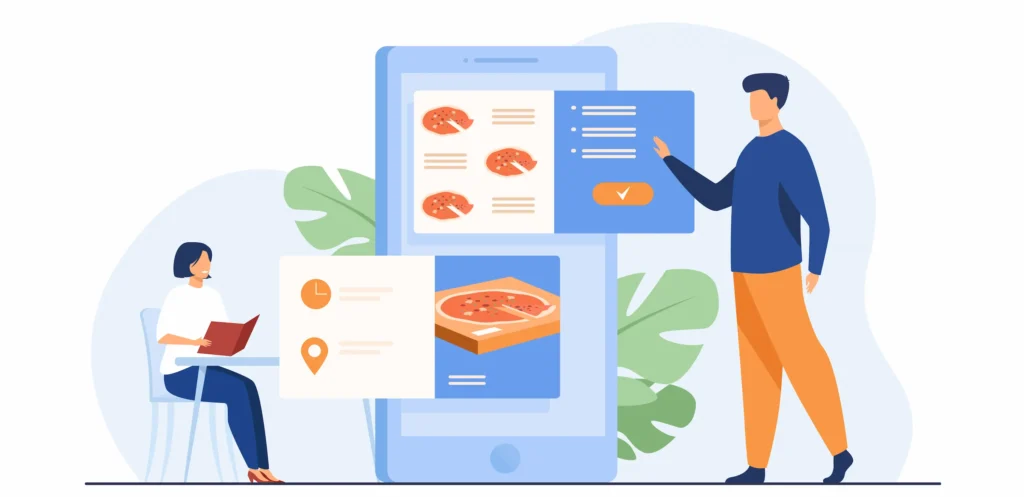
Real-time inventory sync prevents the nightmare of ordering dishes that are sold out. A persistent cart that survives page refreshes and navigation removes a major abandonment trigger.
Smart Menu Management With Categories and Filters
Menu readability determines how quickly customers make decisions. A well-organized menu uses clear category headers, dietary filters (vegan, gluten-free, spicy), and visible item descriptions with accurate pricing.
Good menu displays highlight bestsellers, new arrivals, and chef’s picks to guide browsing. Poor menu structure leads to decision fatigue, which in turn leads to abandonment.
Multiple Payment Gateway Integrations
Customers expect to pay using the method they trust most. Your site must offer multiple payment options: credit cards, debit cards, digital wallets (Google Pay, Apple Pay), UPI, and buy now, pay later.
Integrating reliable PayPal plugins alongside other gateways ensures no sales are lost due to a missing payment option. Seamless payment integration also significantly speeds up the checkout experience.
Live Order Tracking and Delivery Updates
Post-purchase anxiety is real. Customers want to know exactly where their food is. Live order tracking with status updates via SMS, push notifications, or in-app messaging keeps customers calm and builds trust. Tracking tools also reduce inbound support queries, saving operational costs and freeing your team to focus on higher-value tasks.
Customer Login Profiles and Order History
Returning customers convert faster and spend more. A login system with saved addresses, stored payment preferences, and order history makes reordering effortless. Registered users are also more receptive to personalized offers and loyalty program benefits, increasing both frequency and average order value.
Reviews, Ratings, and Social Proof Elements
Social proof remains one of the most powerful conversion tools in online food ordering. Displaying verified customer reviews, photo testimonials, and star ratings directly on menu item pages reassures hesitant buyers. A 4.8-star rating next to a dish functions as a silent referral. It reduces purchase risk and accelerates the decision to order.
Offers, Coupons, and Loyalty Programs
First-time promotions attract new customers. Well-designed loyalty programs keep them coming back.
A visible offers section with easy coupon application, tiered reward tracking, and personalized discount messaging turns one-time buyers into regulars. Subscription and meal plan options lock in recurring revenue for food delivery businesses.
Multi-Location and Multi-Brand Support
Many cloud kitchen operations run multiple brands or serve several delivery zones from one facility. Your website must handle this cleanly, without confusing customers or requiring separate sites for each brand.
Multi-location dropdowns let customers select their zone. Multi-brand architecture gives each virtual kitchen concept its own visual identity while sharing a unified backend.
Navigation Structure for Faster Order Completion
Logical, intuitive navigation shortens the path from homepage to checkout. Keep the menu accessible from every page. Use sticky headers, visible search functionality, and clearly labeled category tabs.
A well-structured site also helps avoid responsive menu issues on mobile devices, a common failure point that silently kills conversions.
Checkout Flow Optimization Best Practices
Each additional checkout step costs conversions. Offer guest checkout alongside account-based checkout. Auto-fill address fields using stored data or geolocation. Display a clear order summary before the final confirmation screen.
Progress bars during multi-step checkouts reduce abandonment. A single-page checkout, where technically feasible, consistently outperforms multi-step alternatives.
Menu Readability and Clear Information Hierarchy
Typography and layout affect how quickly customers identify what they want. Use large, high-contrast fonts. Include allergen information, portion sizes, and preparation time where relevant.
Choosing the best soft fonts for body copy and menu text can improve readability without sacrificing aesthetic warmth.
A strong information hierarchy guides the eye from category label → item name → description → price → Add to Cart, without hesitation.
Trust Signals Like Hygiene Badges and Delivery Assurance
Trust is earned in seconds online. Display food safety certifications, hygiene inspection ratings, and regulatory badges prominently near the header or cart area.
Delivery guarantee messaging, like “30-minute delivery or it’s free,” and easy-to-find refund policies both lower purchase anxiety.
Ensuring your site runs over HTTPS is equally important: force HTTPS on your WordPress site to protect customer data and signal credibility to both users and search engines.
Best Cloud Kitchen Website Design Ideas for High Conversion Platforms
Explore proven design ideas that combine visual appeal, seamless functionality, and conversion-focused UX to help your cloud kitchen attract customers and increase online orders.
Minimalist Food Website Design for Faster Ordering Experience
Minimalist design removes every non-essential element. Clean white space, a restrained color palette, and a single clear call to action per screen all direct attention toward the food and the order button.
Minimalist layouts load faster, helping your site stay competitive on both desktop and mobile. They also communicate confidence, a brand that does not need visual clutter to make an impression.
Staying on top of atmospheric website design trends can help you add just enough depth and character without overwhelming a minimal layout.
Mobile-First Cloud Kitchen Website Layouts
More than 70% of food delivery orders are placed on smartphones. A fully responsive layout that works flawlessly on every screen size is not optional; it is the foundation.
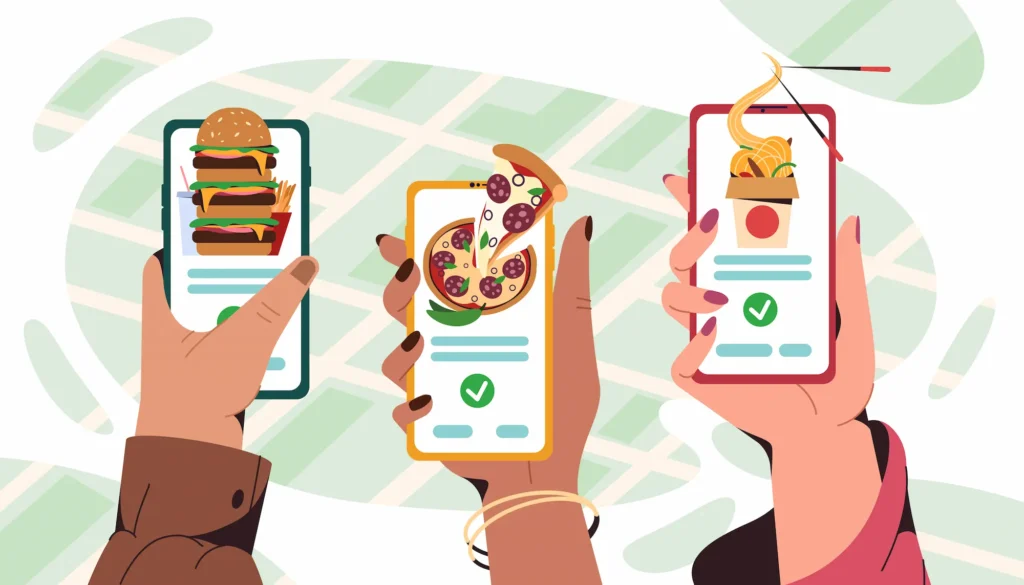
Mobile-first design starts at the smallest viewport and scales upward. Large tap targets, thumb-friendly menus, and pages that load quickly on cellular networks are all non-negotiable.
If you’re evaluating your platform options, comparing tools like WordPress vs a website builder can help you choose the right foundation for a responsive, scalable food ordering site.
Visual-First Design With High-Quality Food Photography
High-quality images sell food before a customer reads a single word. Professional photography makes dishes look irresistible and communicates freshness, quality, and care.
Use authentic photos taken of your actual food, not stock imagery. Visitors can tell the difference, and real photography builds far more trust.
Stunning visuals that load quickly are made possible by strategies like placeholder images, which improve site speed and UX and prevent layout shifts while full images load.
Sticky Cart and Quick Checkout Experience
A sticky cart panel that stays visible as customers scroll through the menu shows current totals and item counts at all times. It eliminates the friction of having to navigate back to review an order before checkout.
Quick checkout, enabled by saved preferences and one-tap confirmation, makes repeat ordering feel effortless. This single UX feature can measurably lift average orders per session.
One-Page Ordering Websites for Quick Conversions
For cloud kitchens with focused menus, a one-page WordPress template can be highly effective. The entire experience, menu browsing, cart management, and checkout, lives on a single scrollable page.
This eliminates page transitions entirely and keeps the ordering journey linear. One-page sites are particularly powerful on mobile, where page loads cause the most drop-offs.
Interactive Menu With Engaging Visual Elements
Static menus are giving way to interactive experiences. Hover states that reveal ingredient details, zoomable food photos, animated “Add to Cart” confirmation, and category-switching tabs all create an engaging online presence.
These interactive elements increase time on site and reduce bounce rates. Both are signals that positively influence search engine rankings.
Building these features well starts with choosing the best WordPress page builder that supports custom interaction design without heavy custom code.
AI-Powered Personalized Recommendations for Food Ordering
AI recommendation engines analyze customer behavior to surface the most relevant dishes at the right moment. A user who consistently orders vegetarian options sees more of them on their next visit. A customer who regularly orders desserts receives promotional dessert nudges on their login screen.
This mirrors the experience of a knowledgeable server who remembers your preferences. It drives higher average order values and stronger customer satisfaction scores.
Pairing this with the best AI web design templates can give your platform a head start in implementing AI-native design patterns.
Understanding the broader shift toward agentic commerce, where AI autonomously handles purchasing decisions, helps cloud kitchen owners prepare for the next frontier of online food ordering.
Location-Based Dynamic Menu Display
Delivery zones, item availability, and pricing can vary across neighborhoods. A location-aware menu system shows customers only the options available for their exact area.
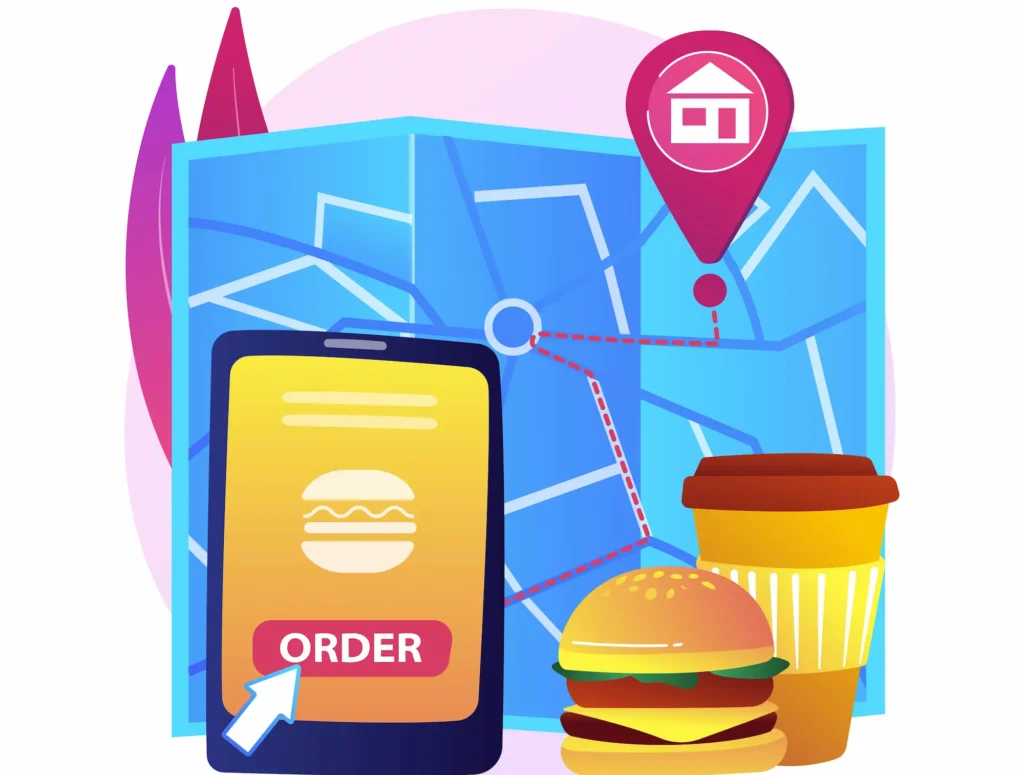
This prevents frustrating post-checkout “item not available” errors. It also enables targeted promotions, showing a neighborhood-specific deal or a limited-time local special to users in that zone.
Subscription and Meal Plan Design Integration
Subscription-based food delivery is a fast-growing segment. A clean, well-structured meal plan section with clear weekly and monthly pricing, preference customization, and delivery scheduling builds reliable recurring revenue.
The design of this section matters enormously. Confusing subscription interfaces see low adoption rates even when the offer is genuinely compelling. Clarity, simplicity, and flexible controls are what convert casual customers into subscribers.
Voice Search and Smart Ordering Interface
Voice search is becoming standard across devices. Customers now ask their phones and smart speakers to “order my usual” or “find healthy food nearby.”
Designing for voice means structuring your content around natural language queries and implementing schema markup so search engines can serve your site as a spoken answer.
This is a key differentiator for forward-looking cloud kitchen brands that want to capture the next generation of ordering behavior.
Chat-Based Ordering UX
Chat-based ordering, powered by chatbots or live agents, gives customers a guided, conversational way to browse and order. A customer unsure of what to choose can ask questions about ingredients, spice levels, or portion sizes and receive instant answers.
This interface mirrors the natural back-and-forth of a physical restaurant. It also functions as a powerful upselling tool, suggesting complementary items during the conversation. Integrated well, chat-based UX can be a significant revenue driver for food delivery businesses.
Conclusion and Next Steps
A well-designed cloud kitchen website is more than just an online presence. It is your primary sales engine. By combining user-friendly navigation, fast ordering flows, and conversion-focused design ideas, you can significantly increase direct orders and reduce reliance on third-party platforms.
From essential features like real-time ordering and payment integration to advanced elements like personalization and mobile optimization, every detail plays a role in shaping customer experience.
As competition in the food delivery space grows, investing in a high-performing, SEO optimized website gives your cloud kitchen a clear advantage.
Focus on simplicity, speed, and usability while continuously testing and improving your platform. The right website strategy will not only attract more customers but also turn them into loyal repeat buyers.
FAQs About Cloud Kitchen Site Design
Why do online food delivery businesses need a well-designed website?
A well-designed website helps online food delivery businesses build a professional online presence. It helps attract customers, improve trust, and deliver a smooth user experience that drives more direct orders.
What key features should a cloud kitchen website include?
Your website should include key features like online ordering, seamless functionality, payment integration, and responsive design. These features ensure fast loading speed and a smooth user experience for customers.
How does design impact customer experience on a food restaurant website?
A sleek design with visually appealing layouts enhances your culinary artistry. It helps restaurant owners present their food items more effectively and keeps users engaged.
Should I use a website template or build a custom cloud kitchen website?
A website template is an excellent choice for a new restaurant due to easy customization and multiple homepage layouts. Custom design offers more flexibility if you want a unique style and advanced integration.
How does SEO optimization help cloud kitchen websites attract customers?
SEO optimization improves visibility on search engines and helps connect with local customers. It ensures your food restaurant website ranks higher and attracts more organic traffic consistently.