A WordPress maintenance plan for agencies is a packaged, recurring service offering that covers client site updates, backups, security, and monitoring, delivered either in-house or through a white-label WordPress maintenance partner. Agencies that offer these plans earn on average 3 to 5 times the cost of outsourcing the work, and 85% of agency clients are willing to pay for a maintenance retainer when the value is clearly communicated.
Adding a WordPress maintenance plan to your service catalog is one of the simplest ways to grow recurring revenue. You can build and deliver it in-house or outsource entirely to a white-label WordPress maintenance agency and start selling today without building anything from scratch.
TL;DR:
- Agencies that offer WordPress maintenance plans earn on average 3 to 5 times the cost of outsourcing the work.
- White-label outsourcing lets you offer professional maintenance under your own brand without hiring in-house staff.
- Price your plans at 3 to 5 times your delivery cost and offer three tiers to capture different client budgets.
- A strong maintenance plan covers updates, backups, security scanning, uptime monitoring, and performance optimization.
- Seahawk’s white-label program acts as your back-office WordPress department, handling all technical work under your brand.
What is a WordPress Maintenance Plan?
Creative professionals use WordPress maintenance plans and pre-packaged services to maximize their company’s recurring income. Maintenance subscriptions often include services such as plugin updates, backups, security insights, migrations, support, and more.
Since WordPress now powers more than 43.4 percent of the internet, it follows that an increasing number of customers are selecting WordPress as the platform of choice for their websites. This, in turn, indicates that the need for maintenance plans is expanding.
Build vs Buy: In-House Maintenance vs White-Label Outsourcing
Running maintenance in-house gives you full control but requires time, tools, and trained staff. White-label outsourcing lets you offer the same service under your brand without the overhead. Here is how the two approaches compare.
| Factor | In-House Maintenance | White-Label Outsourcing |
|---|---|---|
| Setup time | Weeks to months | Ready immediately |
| Cost | High, requires staff, tools and training | Low, fixed monthly cost per site |
| Scalability | Limited by team size | Scales with client volume |
| Expertise | Depends on your team | Dedicated WordPress specialists |
| Profit margin | Variable | Predictable 3 to 5x markup |
| Branding | Your brand | Your brand via white-label |
| Risk | Internal errors affect reputation | Provider handles technical risk |
| Best for | Large agencies with dev teams | Growing agencies focused on client work |
How to Price Your Agency’s WordPress Maintenance Plans?
Most agencies underprice maintenance because they price based on cost rather than value. A simple rule: charge 3 to 5 times what it costs you to deliver the service. Here is how to structure your pricing.
- Calculate your base cost first, either your staff time or your white-label provider’s monthly fee per site.
- Apply a 3 to 5 times markup to cover overhead, profit, and client support time.
- Offer three tiers, Basic, Standard, and Premium, to capture different client budgets.
- Charge more for complex sites with WooCommerce, custom plugins, or high traffic.
- Add a one-time onboarding fee of one to two months’ retainer value to cover setup work.
How Seahawks’ White-Label Maintenance Works for Agencies?
Seahawk’s white-label maintenance program lets agencies offer professional WordPress maintenance under their own brand without building anything in-house. Your clients see your agency’s name. Seahawk handles all the technical work behind the scenes.
- White-label plans cover updates, backups, security, uptime monitoring, and performance optimization.
- All reports and communications are branded with your agency’s name and logo.
- Seahawk’s team acts as your back-office WordPress department.
- Plans are flexible, scale up or down based on your client roster.
- Agency pricing available; check the white-label maintenance page for current rates.
Say Goodbye to WordPress Worries with Our Website Maintenance Services!
From regular updates to security checks and backups, we’ve got you covered. Our expert team will ensure your site is always up-to-date.
How to Create a WordPress Maintenance Plan for Your Agency?
The moment has come to answer the most critical question: how to get started creating a WordPress maintenance plan for your agency. Here is a detailed guide.
Specify the WordPress Maintenance Services That You Want to Provide
The first thing you need to do when developing a strategy for a WordPress maintenance plan is to determine the services you want to provide. When defining the services for your WordPress maintenance plan, it’s essential to align them with industry standards (check your competitors) and cater to your agency’s and your target audience’s specific needs.
Here’s a detailed breakdown of the essential components of a WordPress maintenance plan:
Website Updates

This includes regular updates to the WordPress core, themes, and plugins to ensure the website remains safe, functional, and up-to-date with the latest features.
- WordPress Core Updates: Regularly update the WordPress core to access new features, improvements, and security patches. This helps protect the website from vulnerabilities.
- Theme Updates: Ensure that the theme is up-to-date for compatibility with the latest WordPress version and to benefit from any enhancements or fixes.
- Plugin Updates: Update all plugins to maintain compatibility, improve functionality, and address security vulnerabilities.
Implementing a staging environment to test updates before applying them to the live site is also essential to minimize the risk of compatibility issues.
Website Backups

Your maintenance plan should include website backups. This involves:
- Scheduled Backups: Implement automated backups of the entire website, including databases, files, and configurations.
- Frequency: Perform backups on a regular basis, such as daily or weekly, depending on the website’s update frequency and content changes.
- Offsite Storage: Store backups in a secure offsite location to ensure data recovery in case of server failures, cyber-attacks, or other emergencies.
Website Security Scans

Most WordPress maintenance service providers also add WordPress website security scans to their plans. This includes:
- Regular Scans: Conduct routine security scans to identify vulnerabilities, malware, or suspicious activities.
- Firewall Implementation: Install and configure a firewall to prevent unauthorized access and protect against common cyber threats.
- Malware Removal: In the event of a website security breach, have protocols in place to identify and remove malware quickly.
Website Optimization
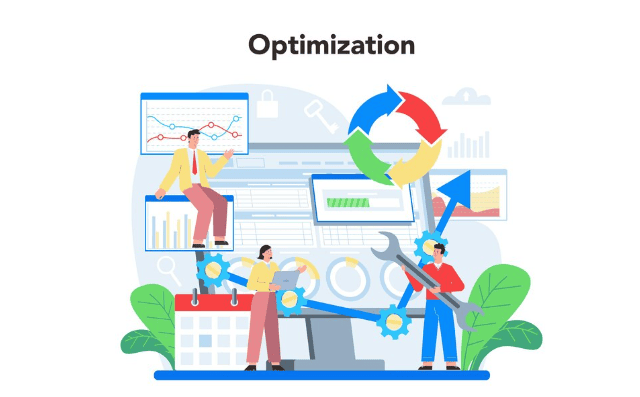
Leading WordPress maintenance agencies like Seahawk offer site optimization as part of their maintenance package. This includes:
- Speed Optimization: Monitor and enhance website speed using tools like Google PageSpeed Insights and Seahawk’s website speed test.
- Image Compression: Compress images to reduce page load times without compromising quality.
- Caching: Leverage browser caching and implementing server-side caching for improved overall performance.
Monitoring and Uptime Checks

The WordPress maintenance plan for your agency’s service offering can also include:
- Uptime Monitoring: Employ tools to monitor website uptime and receive alerts for any downtime.
- Performance Monitoring: Track server resources, website response times, and other performance metrics.
- Alerts and Notifications: Set up alerts for critical issues, ensuring a proactive response to potential problems.
Reporting
Provide regular, detailed reports to clients outlining the tasks performed during each maintenance cycle. Include information on:
- Updates Report: Highlight the updates applied, including WordPress core, themes, and plugins.
- Security Report: Summarize security scans and any actions taken to address vulnerabilities.
- Performance Report: Share insights into website speed improvements and optimization efforts.
Tailor Services to Your Agency’s Requirements
Consider the unique strengths and capabilities of your agency when defining your own maintenance plans and services.
If your team specializes in certain aspects, such as security or performance optimization, highlight these strengths in your service offerings. Tailor the WordPress maintenance plan to showcase what sets your agency apart from others in the market.
Additionally, your WordPress maintenance plan should not only address technical aspects but also simplify the lives of your clients. Consider offering a user-friendly dashboard or portal where clients can easily access reports, view the status of updates, and communicate with your team. This enhances transparency and ensures a positive client experience.
Bundle Services Into Different Website Maintenance Plan
After deciding on the services you want, the next step is to group those services into various plans. Although you might offer each item separately, it is more typical to sell numerous services together in a package described as “all-inclusive.” Combining the two approaches is always an option, and you should do so based on your customers’ requirements.
For example, offer different tiers or website maintenance packages:
- Basic Package: Include essential services like core updates, backups, and security scans.
- Intermediate Package: Add performance optimization, uptime monitoring, and more advanced security features.
- Premium Package: Provide comprehensive services, including emergency WordPress support, content updates, and additional customization such as WordPress development tasks, etc.
Pricing Your WordPress Maintenance Plans
Let’s go on to discussing monetary matters. Pricing your WordPress maintenance services requires careful consideration of various factors to ensure it reflects the value of your expertise and the level of support provided. Here’s a detailed guide on how to establish a pricing structure:
Different Pricing Models
You can start with two pricing models for WordPress maintenance services:
- Hourly Rates: Charge clients based on the hours spent on maintenance tasks. This model is suitable for agencies offering more flexible or ad-hoc services.
- Monthly Retainers: Charge clients a fixed monthly fee for a set package of services. This model offers predictability for both the agency and the client.
Determine the Value of Your Services
Consider the time investment required to perform maintenance tasks and your team’s expertise. Factor in the cost of skilled professionals overseeing the security monitoring, performance, and updates. Emphasize the value of risk mitigation by preventing potential security breaches, downtime, and data loss.
Highlight how regular website maintenance contributes to a smooth online experience, positively impacting user satisfaction, SEO, and overall business performance.
Consider Website Size and Complexity
The pricing structure can also be based on the size and complexity of the website.
- Small Business Websites: Offer a streamlined maintenance package with essential maintenance services suitable for smaller websites with limited functionality.
- Medium to Large Websites: Provide more comprehensive maintenance packages that address the complexity of larger websites with multiple functionalities, plugins, and a higher content volume.
Level of Support Provided
Another factor to consider when pricing your website maintenance packages is the support provided.
- Standard Support: Offer standard support during regular business hours, including response to non-urgent issues within a specified timeframe.
- 24/7 Emergency Support: Include a premium for round-the-clock support for critical issues that require immediate attention.
Read: WP Support Specialists: Benefits And Services Offered
Evaluate Competitor Pricing
Lastly, analyze competitors’ pricing models and service offerings in the WordPress maintenance space. Ensure your pricing reflects your agency’s unique value, whether it’s specialized expertise, a robust support system, or additional services not offered by competitors.
When choosing your costs, there is one more factor to consider: how “in-demand” your service is. Are most of your customers requesting that you undertake security audits and update their plugins? Think of going above and above the standard rate for such services. When you give some thought to the wants and needs of your customers, it will be easier for you to determine (and explain!) the prices you may charge for the various programs you provide.
Related: Best WordPress Maintenance Service Providers
Marketing and Selling WordPress Maintenance Services
Effectively marketing and selling your WordPress maintenance services is crucial to attracting new clients and showcasing the value your agency brings. Here are detailed tips and strategies to enhance your marketing efforts.
Highlight Benefits and Value Proposition
Clearly articulate the benefits of your maintenance services. Emphasize improved website security, enhanced performance, reduced downtime, and the peace of mind clients gain from professional oversight. You can also customize your content based on client needs. For instance, emphasize cost savings for small businesses and risk mitigation for larger enterprises.
Create a Dedicated Landing Page
Create a landing page on your site for website maintenance services. Provide detailed information on each package, pricing, and the specific value clients will receive. Also, include a compelling call-to-action, guiding visitors to contact you for more information or to sign up for your services.
Offer Free Trials or Demonstration or Incentives
Consider offering limited-time free trials of your maintenance services. This allows potential clients to experience the value you provide before committing. Another strategy is to host live demonstrations or webinars showcasing your maintenance processes, tools, and the positive impact on a website’s performance.
You can also introduce limited-time discounts, promotions, or bundled packages to incentivize potential or current clients to sign up for your maintenance services. A referral program that rewards existing clients for recommending your services to others can be beneficial too.
Utilize Testimonials and Case Studies
Feature testimonials & reviews from satisfied clients on your website. Authentic feedback can help build credibility and trust. Further, write case studies highlighting specific client challenges, your agency’s solutions, and the positive outcomes achieved through your maintenance services.
Content Marketing
Create blog posts, articles, or videos that educate your target audience about the importance of WordPress maintenance. Address common concerns, provide tips, and position your agency as an industry authority. In addition, ensure to optimize your content to increase visibility and attract organic traffic.
Check Out: Common WordPress Errors And How to Fix Them
Social Media Presence
Maintain an active presence for your business on social media platforms. Share regular updates about your maintenance services, industry trends, and relevant news. Moreover, respond promptly to comments and messages. This can help foster engagement and build a community around your brand.
Email Marketing and Online Advertising
Create newsletters highlighting the benefits of your maintenance services, share success stories, and announce any promotions or new offerings. Use targeted online advertising like Google Ads or social media to reach your ideal client demographic.
Implement retargeting ads to stay top-of-mind for potential clients who have visited your website (seeking your services) but haven’t yet converted.
Networking and Events
Attend relevant industry events like WordCamp or conferences to network with potential clients. Consider sponsoring or speaking at events to showcase your expertise. You can also engage in local business networking groups to build relationships within your community.
Continuous Analysis and Optimization
Use analytics tools to track the performance of your marketing efforts. Analyze data to understand what strategies are most effective in attracting and converting clients.
Continuously adapt your marketing strategies based on this information and optimize your approach to maximize effectiveness and return on investment.
By implementing these tried & tested strategies, you can effectively market and sell your WordPress site maintenance services. This will ensure potential clients understand your value and are motivated to choose your agency for their website maintenance needs.
Managing Client Expectations
Effective management of client expectations is crucial for establishing a positive and lasting client-agency relationship in WordPress maintenance services.
- Set Clear Expectations: Clearly define the scope of your maintenance services, outlining what is included and any limitations. Ensure clients comprehensively understand the tasks, timelines, and support levels provided.
- Communication and Regular Updates: Establish transparent communication channels to keep clients informed about ongoing maintenance tasks. Provide regular updates detailing the work completed, any challenges faced, and future plans. In addition, communicate proactively in the case of unexpected issues or delays.
- Manage Client Feedback: Encourage client feedback to understand their expectations, concerns, and preferences. Address feedback promptly, showing a commitment to continuous improvement and client satisfaction. Also, implement any necessary adjustments to align with evolving client needs.
Read: Hiring A WordPress Maintenance Agency: Questions to Ask
Leveraging White-Label WordPress Maintenance Services
One of the most effective strategies to enhance your agency’s service offering without overextending your resources is to leverage white-label WordPress maintenance services. By partnering with a reliable white-label provider, you can offer comprehensive maintenance solutions under your agency’s brand. This approach enables you to maintain high service standards while focusing on core competencies.
Benefits of White-Label WordPress Maintenance Services
Cost-Efficiency: Outsourcing maintenance tasks can be more cost-effective than hiring in-house staff, allowing you to allocate resources more efficiently. By reducing the need for full-time maintenance staff, your agency can lower operational costs while still delivering high-quality services.
Scalability: Easily scale your services to meet client demands without the need to expand your team. White-label providers typically offer flexible plans that can adjust to the varying needs of your clients, ensuring you can handle increased workloads during peak times without any hassle.
Expertise: Gain access to a team of experts who specialize in WordPress maintenance, ensuring high-quality service delivery. These professionals bring a wealth of knowledge and experience, allowing your clients to benefit from cutting-edge solutions and best practices to perform website maintenance.
Focus: Allow your team to focus on strategic and creative tasks while the white-label provider handles routine maintenance. This ensures that your in-house staff can dedicate their efforts to projects that drive growth and innovation, enhancing your agency’s overall productivity and service quality.
Read: Hiring A WordPress Maintenance Agency: Questions to Ask
Choosing the Right White-Label Partner
When selecting white-label WordPress maintenance services, consider the following factors:
Reputation: Look for providers with a solid track record and positive client testimonials. Research their history, case studies, and reviews to ensure they have a proven record of delivering high-quality services.
Service Offerings: Ensure the provider offers comprehensive maintenance services that align with your needs. This includes everything from routine updates and backups to advanced security measures and performance optimization.
Support: Choose a partner that offers reliable support and clear communication channels. Timely and effective communication is crucial for addressing any issues that arise and ensuring smooth service delivery.
Flexibility: Opt for a provider that can tailor their services to your specific requirements and client needs. Customizable plans and adaptable service options will allow you to provide personalized solutions to your clients, enhancing their satisfaction and loyalty.
Learn: Maintenance vs Management vs Support for WordPress Websites
Implementing White-Label Services in Your Agency
Implementing white-label WordPress maintenance services in your agency involves a strategic approach to ensure seamless integration, maintain high standards, and foster effective communication. Here are key points to consider:
Integrate Seamlessly
Ensure that the white-label services are seamlessly integrated into your existing workflows and service offerings. This might involve using shared WordPress project management tools, aligning reporting formats, and maintaining consistent communication protocols.
Collaborate with the white-label provider to understand their processes and create a unified system that minimizes disruptions and enhances efficiency.
Maintain Quality
Regularly monitor the quality of the maintenance services provided to ensure they meet your agency’s standards. Set up periodic reviews and feedback sessions with the white-label provider to address any concerns and ensure continuous improvement.
Utilize performance metrics and client feedback to evaluate the effectiveness of the services and make necessary adjustments to uphold your agency’s reputation.
Communicate Transparently
Keep open lines of communication with your white-label partner to address any issues promptly and maintain a high level of service. Establish a clear escalation process for urgent matters and regular check-ins to stay aligned on goals and expectations.
Transparency in communication builds trust and ensures that both parties are working towards common objectives.
Align Branding
Ensure that the white-label services align with your agency’s branding and client expectations. Provide the white-label provider with clear guidelines on how to represent your brand, including communication style, service delivery standards, and visual elements. Consistency in branding reinforces your agency’s identity and strengthens client relationships.
Set Clear Expectations
Clearly define the scope of services, deliverables, and timelines with your white-label partner. Document these expectations in a service-level agreement (SLA) to avoid misunderstandings and ensure accountability.
A well-defined SLA helps manage client expectations and provides a benchmark for evaluating the performance of the white-label provider.
Leverage Technology
Utilize advanced tools and technologies to enhance collaboration and streamline processes. Project management software, communication platforms, and performance monitoring tools can facilitate seamless coordination between your agency and the white-label provider. Leveraging technology improves efficiency, reduces errors, and ensures timely service delivery.
Know More: Top-Notch WordPress Website Maintenance and Support Providers
Building Trust with Your Clients
Incorporating white-label services into your agency’s offerings requires not only seamless integration but also building and maintaining trust with your clients. Ensuring that clients feel confident in the quality and reliability of the services you provide is crucial for long-term success.
Demonstrate Expertise
Showcase Credentials: Highlight the expertise and credentials of both your agency and your white-label partner. This can include certifications, case studies, client testimonials, and examples of past successes.
Educational Content: Provide valuable content through blogs, webinars, and workshops that educate your clients about the importance of WordPress maintenance. Sharing insights and knowledge helps position your agency as a thought leader and builds credibility.
Transparent Reporting: Offer detailed and transparent reports on the maintenance activities performed. This transparency reassures clients that their website is in good hands and demonstrates the value of the services provided.
Deliver Exceptional Customer Service
Personalized Support: Ensure that your clients receive personalized support tailored to their specific needs. This can involve dedicated account managers who understand their business and can provide customized solutions.
Proactive Communication: Maintain regular communication with clients to update them on ongoing maintenance activities and any potential issues. Proactive communication helps prevent misunderstandings and builds trust.
Prompt Issue Resolution: Address client concerns and issues promptly and efficiently. A responsive support team that can quickly resolve problems enhances client satisfaction and loyalty.
Evaluating the Success of Your Maintenance Plans
Once you have implemented your WordPress maintenance plans and integrated white-label services, it’s essential to evaluate their success. Regular assessment helps identify areas for improvement and ensures that your services continue to meet client expectations.
Key Performance Indicators (KPIs)
Client Retention Rate: Monitor the rate at which clients continue to use your maintenance services over time. A high client retention rate indicates client satisfaction and trust in your services.
Uptime and Performance Metrics: Track website uptime, load times, and overall performance to ensure that maintenance activities are effectively enhancing site reliability and speed.
Security Incidents: Keep a record of security incidents, such as malware infections or unauthorized access attempts, and measure how effectively these issues are resolved. A low incidence rate and swift resolution demonstrate the effectiveness of your security measures.
Client Feedback: Regularly solicit feedback from clients through surveys or direct communication. Understanding their satisfaction levels and any concerns they may have provides valuable insights for service improvement.
Continuous Improvement
Review and Adapt: Periodically review your maintenance plans and services to ensure they align with industry standards and evolving client needs. Be open to making adjustments based on feedback and performance data.
Invest in Training: Continuously invest in training and development for your team to keep them updated on the latest WordPress maintenance techniques and tools. A knowledgeable team is better equipped to deliver high-quality services.
Innovate and Expand: Stay ahead of the competition by innovating and expanding your service offerings. Consider incorporating new technologies, tools, and services that can provide additional value to your clients.
Enhancing Client Relationships Through Maintenance Plans
Building strong relationships with your clients is essential for the success of your maintenance plans. Here are strategies to enhance these relationships:
Regular Check-Ins: Schedule regular check-ins with your clients to discuss their website’s performance, address any concerns, and gather feedback. These check-ins foster open communication and show clients that you are invested in their success.
Customized Solutions: Offer customized maintenance solutions that cater to the unique needs of each client. Understanding their specific requirements and tailoring your services accordingly demonstrates a commitment to their individual goals.
Value-Added Services: Provide value-added services such as website audits, performance reviews, and strategic recommendations. These additional services can help clients optimize their websites and achieve better results.
Client Education: Educate your clients on best practices for website management and maintenance. Providing them with the knowledge to make informed decisions strengthens your relationship and positions you as a trusted advisor.
Read More: Best White-Label WordPress Management Services for Agencies
Final Thoughts
In conclusion, crafting a maintenance plan for your agency is a simple task that can be streamlined through a systematic approach. This includes assessing competitors, offering tiered packages, and tailoring services. By doing this, you create a customized solution that meets diverse requirements.
Remember to adapt and refine your website maintenance plan over time. You can do this by staying informed about industry trends, which will help you to continuously improve your website care services to provide optimal value to your clients.
FAQs
How do I price a WordPress maintenance plan for my agency?
Charge 3 to 5 times your delivery cost. Calculate your base cost per site, either staff time or white-label provider fee, then apply your markup. Offer tiered plans to capture different client budgets and add a one-time onboarding fee to cover setup.
Should I outsource WordPress maintenance or handle it in-house?
Outsourcing is the better option for most growing agencies. It eliminates the need for dedicated maintenance staff, scales easily with your client roster, and delivers consistent results. White-label providers like Seahawk handle all technical work under your brand.
What should a client maintenance agreement include?
A maintenance agreement should cover the scope of services, response times, backup frequency, security responsibilities, reporting schedule, pricing, and cancellation terms. A clear SLA protects both your agency and your client.
How do I sell maintenance plans to existing clients?
Frame maintenance as risk protection, not an optional add-on. Show clients the cost of downtime, a hacked site, or lost data. Present a simple comparison of what happens with and without a plan. Most clients convert when the value is clearly communicated.
Can I white-label Seahawk’s maintenance plans under my agency’s brand?
Yes. Seahawk’s white-label maintenance program lets you offer professional WordPress maintenance under your own brand. All reports and communications carry your agency’s name. Visit the white-label maintenance page for agency pricing and plan details.