Migrating your Zoey store to WooCommerce is more than just moving product, customer, and order management data, as well as inventory management settings. Zoey to WooCommerce migration gives you full control over your store, better customization, stronger control over your ecommerce platform, and the flexibility to scale your ecommerce business without platform limitations
If done correctly, you can transfer products, customers, and orders without losing data or SEO rankings. In this guide, you’ll follow a complete checklist, step-by-step process, and proven tools to make your migration smooth, safe, and error-free.
TL;DR
- Moving your store to a more flexible commerce platform gives you more control, better infrastructure, and long-term growth.
- You can transfer product data, customer data, order management records, and SEO data without disrupting your website.
- A proper checklist and staging setup help avoid errors and downtime.
- Automated tools save time, while manual methods give more control.
- Preserving URLs and redirects protects your search visibility.
- Testing everything before launch ensures a smooth and stable transition.
Why Migrate From Zoey to WooCommerce: Key Benefits
Moving from Zoey ecommerce to WooCommerce gives you full control over your ecommerce store, along with better flexibility, scalability, and long-term cost efficiency.
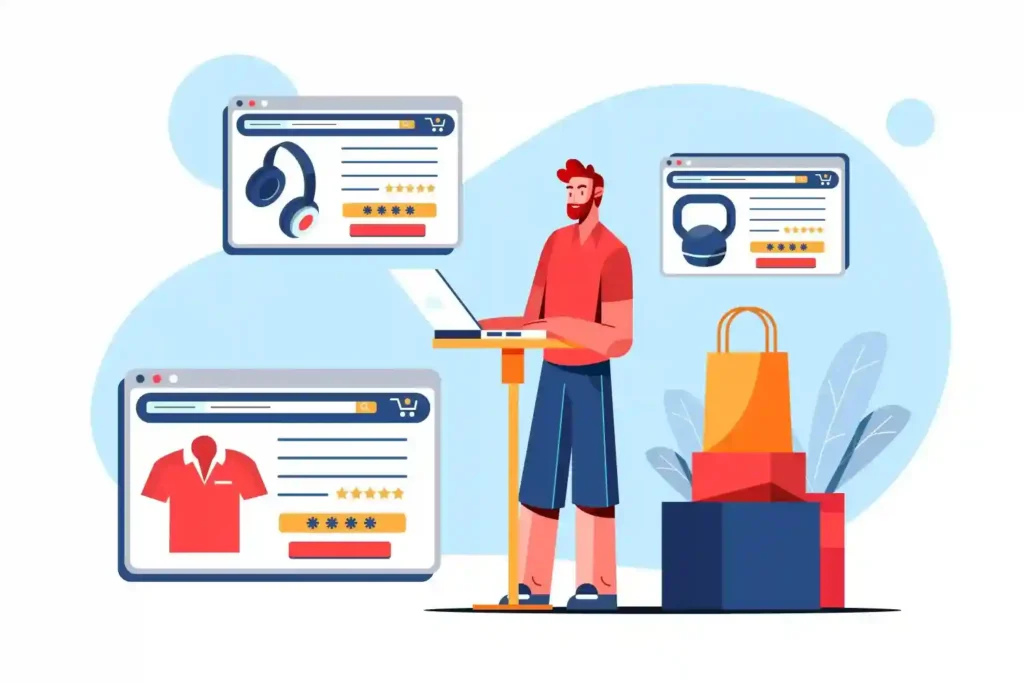
As your business grows, a self-hosted platform like WooCommerce allows you to customize, optimize, and scale without platform limitations.
- Full Data Ownership: You fully control your products, customer data, order history, and database without dependency on a hosted platform. This ensures better security, flexibility, and long-term control.
- Advanced Customization: WooCommerce allows complete customization of design, checkout flow, product pages, and functionality. You can modify code, add custom features, and build tailored user experiences.
- Lower Long-Term Cost: Unlike hosted platforms, WooCommerce reduces recurring platform fees. You only pay for hosting, plugins, and services you choose, making it more cost-efficient as your store scales.
- Strong Plugin Ecosystem: You gain access to thousands of WordPress plugins for SEO, payment gateways, marketing automation, analytics, and performance optimization.
- Scalable Ecommerce Setup: WooCommerce supports high traffic, large product catalogs, and advanced features like subscriptions, memberships, and multi-store setups without restrictions.
Why Hiring a Migration Expert is the Smartest Move?
Migrating your ecommerce platform involves product data, customer data, order management, and SEO. One mistake can break your store or impact revenue.

Working with experts ensures your migration is handled correctly from setup to launch.
With Seahawk Media, you get monthly development hour retainers for fixes and migration tasks, along with a monthly maintenance subscription to keep your website stable after the move.
This reduces errors, protects your data, and helps you scale without disruptions.
Move Your Zoey Store to WooCommerce Without the Migration Stress
Get expert help to handle your store migration smoothly, protect important data, and set up WooCommerce for stronger growth and better flexibility.
What Data Can You Migrate From the Zoey Platform to WooCommerce?
A complete Zoey-to-WooCommerce migration lets you transfer all essential ecommerce data, ensuring business continuity, SEO preservation, and a smooth transition without losing structure or functionality.
- Products (Name, SKU, Price, Variations): You can migrate all product data, including titles, SKUs, pricing, descriptions, inventory, and variations such as size, color, and attributes.
- Categories and Attributes: Product categories, tags, and attributes are transferred to maintain taxonomy structure and ensure proper product organization in WooCommerce.
- Customers (Accounts, Emails): Customer data, including names, email addresses, login details, and account information, can be migrated to retain user access and history.
- Orders and Order History: All past orders, transaction details, and purchase history are transferred to maintain business records and customer trust.
- Product Images and Media Files: All product images and media assets are migrated with correct paths to preserve visual consistency and user experience.
- SEO Data (URLs, Metadata, Canonical Tags): Critical SEO elements such as URLs, meta titles, meta descriptions, and canonical tags can be migrated to maintain rankings, indexing, and search visibility.
Zoey to WooCommerce Pre-Migration Checklist
Before starting your Zoey-to-WooCommerce migration, you need to properly prepare your store to avoid data loss, downtime, or SEO issues. A structured checklist ensures a smooth transition and reduces the risk of errors during migration.
- Backup Zoey Store: Create a complete backup of your store, including products, customers, orders, and database data. This allows you to restore everything if something goes wrong.
- Export CSV Data: Export all essential data, such as products, customers, and orders, in CSV format. Make sure fields such as SKU, price, categories, and attributes are included correctly.
- Choose WooCommerce Hosting: Select a reliable hosting provider that supports WooCommerce. Good hosting improves speed, security, uptime, and overall performance after migration.
- Install WordPress + WooCommerce: Set up WordPress on your hosting and install the WooCommerce plugin. Configure basic settings like currency, store location, tax rules, and default options.
- Plan URL Structure and Search Visibility: Review your existing Zoey URLs and map them to WooCommerce URLs. Keeping a similar structure helps preserve SEO rankings and avoids indexing issues.
- Prepare 301 Redirects: Set up 301 redirects from old URLs to new ones. This ensures link equity is passed and prevents broken links or traffic loss.
- Set Up Staging Environment: Use a staging site to test the migration before going live. This helps identify issues without affecting your live store.
Steps to Migrate Zoey to WooCommerce
Migrating your Zoey store to WooCommerce requires a structured process to ensure all data transfers correctly and your store functions without issues. Each step focuses on moving critical data, configuring your store, and maintaining SEO signals.
Follow this step-by-step process carefully to avoid data loss, broken pages, or performance issues after migration.
Step 1: Set Up WooCommerce Store
Start by preparing your WooCommerce environment before importing any data. This ensures your store can handle products, customers, and orders without configuration issues.
Install WordPress on your hosting, then install the WooCommerce plugin. Configure essential settings like currency, store location, tax rules, and default options so your store is ready for data import.
Step 2: Export Data from Zoey
Export all your Zoey store data in CSV format, including products, customers, and order history. This data forms the foundation of your WooCommerce store.
Ensure important fields such as product names, SKUs, prices, categories, and attributes are entered correctly. Clean, structured CSV data reduces import errors and ensures a smooth migration.
Step 3: Import Products into WooCommerce
Use the WooCommerce importer or a migration tool to upload your product data. This step requires careful field mapping to ensure products display correctly. Map fields like product name, SKU, price, categories, and attributes properly. Correct mapping ensures your product listings, variations, and pricing structure remain intact.
Step 4: Migrate Customers and Orders
Import customer accounts and transfer order history to maintain business continuity. This ensures customers can access their accounts and past orders. After importing, carefully validate the data. Check customer details, order records, and transaction history to ensure accuracy and avoid inconsistencies.
Step 5: Migrate Images, Categories, and Variations
Images and product structure play a key role in user experience and conversions. Ensure all product images are correctly imported and linked to the right products. Verify categories and product variations such as size, color, or type. Proper structure ensures your store remains organized and easy to navigate.
Step 6: Configure Payments, Shipping, and Taxes
Set up payment gateways like Stripe or PayPal to enable transactions. Then configure shipping zones, delivery methods, and rates based on your business model. Apply tax rules according to your region and compliance requirements. This ensures your store is fully functional and ready to process real orders.
Step 7: Test Your Store Before Launch
Before going live, test your entire store to ensure everything works smoothly. This helps you catch errors early and avoid issues after launch.
Check the checkout process, verify product pages, and test your site on mobile devices. A complete test ensures a smooth user experience and successful migration.
Thorough testing can also provide more insights into your store’s performance and readiness, helping you identify additional optimization opportunities before launch.
Best Tools for Zoey to WooCommerce Migration
Choosing the right migration tool can significantly reduce errors, save time, and ensure accurate data transfer. The best tool depends on your store’s size, technical expertise, and the level of control you want during the migration process.
Many Zoey WooCommerce migration solutions are designed to streamline the transition between these two comprehensive e-commerce platforms.
- Cart2Cart (Automated Migration): Cart2Cart offers a fully automated solution that transfers products, customers, orders, and SEO data with minimal manual work. It is ideal if you want a fast, hands-off migration with minimal technical effort.
- LitExtension (Full Data Transfer): LitExtension supports full data migration, including advanced features such as categories, images, and SEO URLs. It provides a guided process and is suitable for stores that require accuracy and full data coverage.
- WP All Import (Manual Control): WP All Import gives you complete control over data import. You can customize field mapping, handle complex product data, and manage large datasets, making it ideal for advanced users.
Quick Comparison: Cart2Cart and LitExtension are best for speed and ease, while WP All Import is better for detailed control and custom data handling.
Manual vs Automated Migration: Which Should You Choose?
Choosing between manual and automated migration depends on your technical comfort level and the complexity of your store. If you prefer full control over how your data is structured and transferred, manual migration lets you customize every detail, but it takes more time and technical effort.
If you want a faster and more scalable solution, automated migration tools handle the process for you with minimal input. This approach works best for medium to large stores with complex data.
In most cases, smaller stores can manage manual migration, while larger or growing stores benefit from automated tools for speed, accuracy, and efficiency.
Common Migration Issues and How to Fix Them
Even with a structured migration process, issues can arise from data mismatches, incorrect configurations, or compatibility issues. Merchants often face these challenges when moving from Zoey Store to WooCommerce, but addressing them early ensures your store runs smoothly after the transition.
- Missing Product Data → Re-import CSV: If product details like SKU, price, or attributes are missing, check your CSV file and re-import the data with correct field mapping to restore accuracy.
- Broken Images → Fix Image Paths: Images may not load if file paths are incorrect. Update image URLs or reassign media files to ensure they display properly on product pages.
- URL Mismatch → Apply Redirects: If your URLs change after migration, set up proper 301 redirects to guide users and search engines to the correct pages and preserve SEO rankings.
- Plugin Conflicts → Test Compatibility: Some plugins may not work well together. Disable conflicting plugins and test your setup to identify and resolve compatibility issues.
- Slow Site → Optimize Hosting and Caching: A slow website after migration often results from poor hosting or a lack of optimization. Use caching, image optimization, and a reliable hosting provider to improve performance.
Zoey vs WooCommerce: Quick Comparison
Understanding the difference between Zoey and WooCommerce helps you choose the right platform based on control, cost, and scalability. While Zoey offers a managed environment, WooCommerce gives you full flexibility to build and grow your store without limitations.
| Feature | Zoey (Hosted Platform) | WooCommerce (Self-Hosted) |
|---|---|---|
| Hosting | Managed by Zoey | You control hosting |
| Flexibility | Limited customization | Full customization |
| Cost | Monthly platform fees | Pay for hosting and tools only |
| Scalability | Limited by platform | Highly scalable |
| Data Ownership | Platform-controlled | Full ownership |
| Plugin Ecosystem | Limited integrations | Thousands of plugins available |
Conclusion
Switching your store is not just about moving data. It’s about building a stronger, faster, and more scalable foundation for your business.
When you follow a structured process, you protect your data, maintain search visibility, and avoid costly mistakes. Take time to plan, test each step, and choose the right tools. A well-executed transition sets you up for better performance, smoother operations, and long-term growth.
FAQs
How do you move a Zoey store to WooCommerce?
You can transfer your store by exporting products, customers, and orders, then importing them into WooCommerce using CSV files or migration tools. Proper data mapping ensures everything appears correctly.
Will switching to WooCommerce affect your rankings?
Your rankings usually stay stable if you set up 301 redirects, maintain URL structure, and transfer metadata correctly during the transition.
What data can you transfer from Zoey?
You can move product details, SKUs, categories, customer accounts, order history, images, and key SEO elements like URLs and metadata.
What is the easiest way to set up your WooCommerce store after the transfer?
Using a migration app helps you quickly import data and configure your store without dealing with complex manual setup.
How long does it take to move your store to WooCommerce?
The time depends on store size and data complexity. Smaller stores may take a few hours, while larger setups can take a few days.
What issues can happen after moving from Zoey?
You may face missing product data, broken images, URL mismatches, or performance issues. Testing your WooCommerce store helps you fix these early. Reliable support channels, such as 24/7 chat, phone, or email, are crucial for resolving any post-migration issues quickly and ensuring a smooth transition.