Web design trends are evolving faster than ever, and are set to bring a fresh wave of innovation that blends technology, creativity, and user-first thinking.
From AI-generated layouts to immersive 3D elements and ultra-minimalist interfaces, the future of web design is all about creating seamless, engaging, and personalized experiences.
Whether you’re a designer, developer, or business owner, staying up to date with these emerging trends is essential to staying relevant and competitive in the digital landscape.
TL;DR: Web Design Trends That Will Shape 2026
- Web design focuses on smarter, more personalized experiences driven by AI, interactivity, and user behavior.
- Visual trends like immersive 3D, asymmetrical layouts, and bold aesthetics help brands capture attention and stand out.
- Mobile first ergonomics, inclusive navigation, and performance optimization improve usability and conversions.
- Following modern web design trends helps businesses stay relevant, competitive, and aligned with evolving user expectations.
Why Following Web Design Trends Matters?
Following website design trends is not about copying styles. It is about understanding how people interact with a page, how user behavior changes, and how expectations evolve across screen sizes and devices.

A modern website reflects trust, clarity, and relevance. When visitors land on a homepage, design elements such as typography, navigation, color palettes, and load times directly affect attention, confidence, and user satisfaction.
Search engines like Google also reward websites that align with current UX design standards. Trends influence performance, accessibility, responsive design, and content structure.
These factors impact visibility in search results and conversions, especially for e-commerce websites and landing page experiences. Businesses that ignore design trends often struggle with high bounce rates, lack of engagement, and reduced revenue.
For designers and web design teams, trends serve as inspiration and a research-backed source for better decision-making.
They help balance creativity with usability, brand identity, and functionality. Whether it is improving user journeys, simplifying navigation, or optimizing web pages for speed, trends guide meaningful improvements.
Design trends focus heavily on personalization, inclusivity, and performance. They reflect how people browse, shop, and interact online today.
Keeping up with trends is an investment in long-term success, a stronger emotional connection, and a website that feels current rather than dated.
Top Web Design Trends Shaping the Web
Here are some of the most exciting and influential web design trends to watch for:
Immersive 3D Worlds
Three-dimensional web design is one of the most immersive and realistic ways to bring your website content to life. By combining three-dimensional images, animation, and audio, you can create an online experience that is unlike any other.
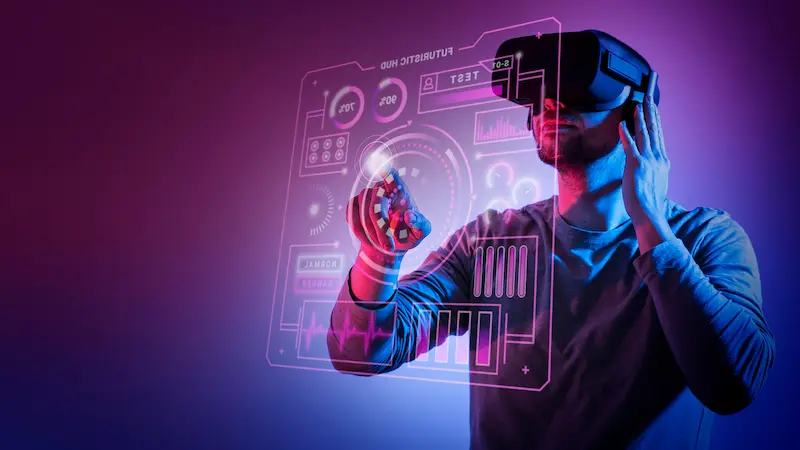
When used correctly, 3D web design can make your site more engaging and exciting for visitors. Creating a unique and memorable online presence can also help you stand out. If you’re looking to take your web design to the next level, consider using these innovative 3D techniques.
Related: How Much Does a Website Design Cost
Use Interactive 3D Objects
Interactive 3D objects are one of the most popular ways to make your website more innovative. Using a combination of 3D imagery and animation, visitors can manipulate the objects onscreen and explore them from all angles.
Partnering with expert 3D art services can help you create high-quality interactive objects that captivate users and enhance your website’s overall appeal.
Curious to Know About Our Web Design Services?
Discover what we offer as part of our web design services to individuals, businesses, and agencies.
Utilize Virtual Reality Technology
Virtual reality (VR) technology is becoming increasingly accessible and affordable, making it an excellent tool for creating immersive 3D web experiences.
Using a VR headset, users can move around virtual environments and interact with objects in meaningful ways. This type of experience offers an unparalleled level of engagement, sure to capture the attention of even the most casual web surfers.
Incorporate AR into Your Design
Augmented reality (AR) is another powerful tool for creating unique 3D worlds online. By incorporating AR elements into your design, you can let users explore detailed, interactive environments from their own homes or offices.
Visitors can experience your content in entirely new ways, using mobile devices like smartphones or tablets!
Know: How to Get Web Design Clients Fast
Parallax Scrolling
One exciting technique that can add depth and engage visitors on a website is Parallax scrolling. Background images move more slowly than foreground images, creating the illusion of depth.
This can create an immersive visitor experience or add visual interest to a page. Here are a few things to keep in mind when using parallax scrolling on a website.
- First, it’s essential to do just what is necessary. More parallax scrolling can be overwhelming and challenging to navigate.
- Second, make sure the movement of the background images is subtle; too much movement will again be distracting and difficult to follow.
- Finally, use parallax scrolling sparingly; it should be used as an accent, not the main focus, of a website.
When used correctly, parallax scrolling can be a great way to add some visual interest and engagement to a website. It could be the most used web design trend.
Chatbots and Interactive Elements
As digital assistants become more sophisticated, many website designers are beginning to integrate live chatbots into their designs.
They can help visitors quickly and easily find the information they need on your website. Additionally, chatbots can provide a fun and interactive experience for your visitors.
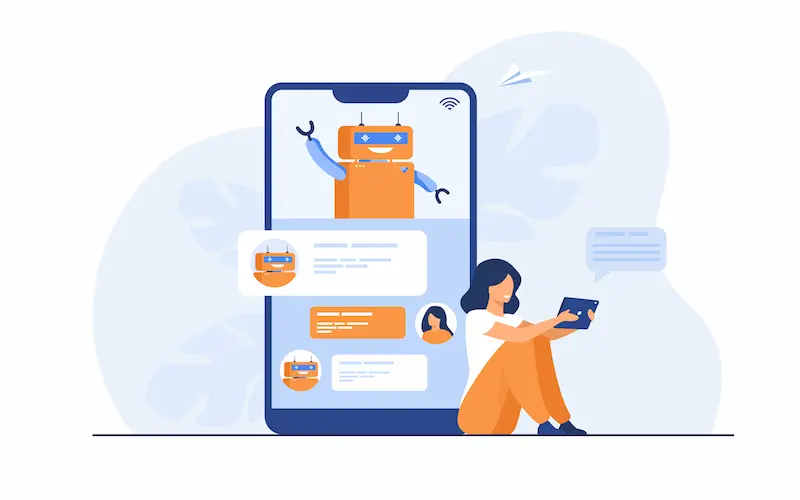
When designing your website, consider adding chatbots. You can use them to provide customer support, answer questions, or entertain visitors.
Additionally, design your chatbots to be as user-friendly as possible. Use clear, concise language and avoid jargon. If you need help getting started, plenty of online resources can help you design chatbots for your website.
Read: Top B2B Web Design Agencies
Minimalism and Color Theory
In web design, new trends are constantly emerging that can make your website more engaging for visitors. This year, two of the biggest trends are minimalism and color theory.
Minimalism is all about keeping things clean and simple. This means using less clutter on your pages and focusing on the most critical elements.
It can be a great way to make your website more user-friendly and help visitors find what they’re looking for quickly and easily. It’s going to be one of the exciting web design trends.
Color theory is another significant trend in web design. This involves using colors that work well together and create a certain mood or feeling on your website. Using the right colors can help engage visitors and keep them on your site longer.
Both web design trends are important to keep in mind when designing your website this year. By incorporating them into your design, you can create a more engaging experience for visitors that will keep them coming back.
Also Read: Best UI/UX Portfolio Websites & Builders
Card Design Layout
There are many different ways to lay out your card design. You can go with a traditional horizontal layout or get creative with a vertical, patterned, or split layout.
No matter which layout you choose, make sure it is easy to read and understand. Your card design should have a clear information hierarchy, with the most important information being the easiest to find.
Here are a few tips for designing an engaging and effective card:
- Use contrasting colors to make your information stand out.
- Use fonts that are easy to read.
- Keep your text brief and to the point.
- Use images or graphics to break up longer blocks of text.
Motion Graphics and Animations
Motion graphics and animations can add an engaging element to your web design. They can help guide users through your content and add interest to your pages when used sparingly.
Here are a few tips for using motion graphics and animation in your web design:
- Use motion graphics to illustrate complex concepts or data.
- Utilize animations to add intrigue and interest to your page layouts.
- Use video backgrounds or foregrounds to add movement to your design.
- Be sure to test how your motion graphics and animations work across different devices and browsers.
When used effectively, motion graphics and animation can help make your web design more engaging and exciting. Keep these tips in mind as you incorporate these elements into your designs.
Find Out: Top Web Design Agencies
AI-Generated Designs
AI-Generated Designs are revolutionizing web design by automating and personalizing the creative process.
This technology leverages machine learning and algorithms to analyze user data and behavior, enabling the creation of aesthetically pleasing and highly functional designs.
AI can suggest color schemes and layout structures and even create entire web pages, all tailored to the website’s specific audience.
This streamlines the web design process and ensures a more engaging and relevant user experience. By continuously learning and adapting, AI-generated designs can evolve, keeping websites fresh and up to date with the latest trends and user preferences.
Continuation of the Y2K Aesthetic
The resurgence of the Y2K aesthetic in web design brings a nostalgic yet futuristic feel. This trend draws inspiration from the late 1990s and early 2000s, characterized by bright neon colors, metallic finishes, and a general sense of digital optimism.
It often incorporates elements like glassmorphism, gradient color palettes, and futuristic fonts, blending them with modern design principles.
The Y2K aesthetic is particularly effective at capturing the attention of those who experienced this era firsthand and of newer audiences drawn to its bold, distinctive style.
Incorporating this aesthetic into web design can create a unique and memorable online presence, setting a website apart in a crowded digital space.
Voice User Interface (VUI)
Voice User Interface (VUI) is becoming increasingly important in web design as voice-activated devices become more prevalent.
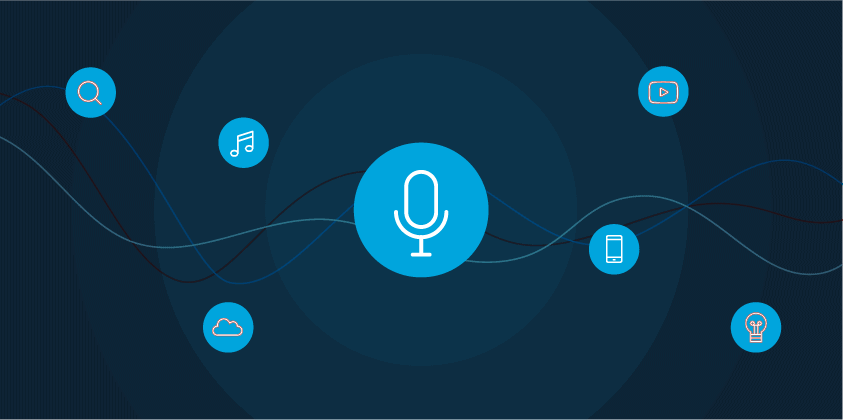
Designing for VUI involves optimizing websites for voice search and enabling voice commands for navigation and interaction.
This not only improves accessibility for all users, including those with disabilities, but also enhances the overall user experience, especially on mobile devices.
VUI enables a more natural, efficient way to interact with websites, reflecting the shift towards a more conversational, less screen-focused digital experience.
Sustainable and Eco-Friendly Design
Sustainable, eco-friendly web design addresses the growing concern about digital carbon footprints.
This trend involves creating energy-efficient websites, using eco-friendly hosting solutions, and implementing design choices that reduce energy consumption (like dark mode).
Additionally, sustainable design often includes aesthetic elements that reflect an eco-conscious ethos, such as earthy color schemes or nature-inspired motifs.
By adopting these practices, brands can demonstrate their commitment to environmental responsibility, appeal to an increasingly eco-aware audience, and contribute positively to the global sustainability movement.
Advanced Interactive Elements
Integrating advanced interactive elements in web design, such as gamification, interactive storytelling, and dynamic data visualization, is transforming how users engage with websites.
These elements create immersive experiences that captivate users, encouraging longer site visits and deeper engagement.
Gamification introduces playful, competitive elements, while interactive storytelling allows users to engage with content more meaningfully. Dynamic data visualization makes complex information more accessible and engaging.
These interactive elements cater to the modern user’s desire for web experiences that are informative but also entertaining and engaging.
Dark Mode Design
Dark Mode Design has gained popularity for its visual appeal and potential health benefits, like reduced eye strain and improved readability in low-light conditions.
It involves designing websites with a dark color scheme that can be activated by users based on their preferences or automatically based on their device settings.
This design trend is not just a stylistic choice but also addresses user comfort and accessibility. It’s especially beneficial for websites with long-form content or those frequented at night.
Additionally, dark mode can help conserve energy on OLED and AMOLED screens, aligning with the sustainability trend in digital products.
Cyberpunk and Neon-Noir Aesthetics
The cyberpunk and neon-noir aesthetics in web design draw inspiration from science fiction and noir. This trend features neon colors on dark backgrounds, creating a vibrant and immersive visual experience.
It often includes glitch art, holographic textures, and futuristic typefaces. This style is particularly prevalent in entertainment, gaming, and technology industries.
By adopting a cyberpunk or neon-noir aesthetic, designers can create captivating, otherworldly online environments that resonate with audiences drawn to futuristic and tech-oriented themes.
Learn More: Reasons to Hire a Professional Agency for WordPress Design
Asymmetrical and Broken Grid Layouts
Asymmetry is gaining momentum as designers move beyond rigid grids. Broken grid layouts introduce personality, movement, and visual interest without sacrificing clarity. This approach helps guide the eye naturally across sections, images, text, and buttons.
Used correctly, asymmetry creates balance through contrast rather than symmetry. It works well with bold typography, layered visuals, shapes, and negative spaces. Many modern website designs use this style to stand out, tell stories, and leave strong impressions.
For portfolios, creative agencies, and brand-focused projects, asymmetrical layouts feel expressive and confident. They break monotony while maintaining usability.
Mobile First Ergonomics and Inclusive Navigation
Mobile-first design is no longer optional. It now focuses on ergonomics and inclusivity rather than just responsiveness. Designers prioritize thumb reach, touch-friendly buttons, readable fonts, and clear navigation menus to improve usability on smaller screens.
Inclusive navigation considers people of all abilities. Clear labels, logical flow, accessible contrast, and simple interactions improve user satisfaction across devices.
This is critical for eCommerce websites, apps, and platforms where ease of use directly affects sales and engagement.
Mobile-first ergonomics also improve performance and reduce friction. Faster load times, simplified layouts, and focused content help retain attention.
As user attention spans shrink, this trend plays a major role in creating effective, accessible, and modern website experiences.
Conclusion
Web design trends are going to be exciting and engaging. We have seen a shift in how web designers approach their designs, with an emphasis on user experience and engagement and an increased focus on mobile-first approaches.
With these web design trends, we expect businesses to find more creative ways to engage their customers online. As technology continues to evolve, so does web design. It will be interesting to see what developments come next!
FAQs About Web Design Trends
What are the biggest web design trends?
Currently, we’re seeing web design move toward smarter and more engaging experiences. Some of the top trends include AI-powered design tools that automatically generate layouts, dark mode for a sleek, modern look, 3D visuals that add depth to websites, and micro-interactions that make the user experience more engaging and fun.
Will following trends make my site look like everyone else’s?
Not at all, if anything, trends are just starting points. The key is to adapt them to match your brand’s voice, colors, and goals. For example, just because minimalism is trending doesn’t mean your site has to be plain.
How often do web design trends change?
Web design moves fast, with new trends emerging every year. But that doesn’t mean you need a full redesign every time something new comes along. Some trends, like mobile responsiveness, fast loading times, and accessibility, are here to stay and evolve slowly.
Do I need a designer to follow these web design trends?
Having a designer is helpful, especially if you want something custom or high-end, but it’s not a must. Many modern platforms, such as WordPress, offer templates and features that already follow current design trends.