In the competitive world of web hosting, technical capability is often measured not just by server speed but by the quality of the technical support team. For managed WordPress hosting specifically, support is not a monolith; it is a structured, tiered system designed to resolve issues efficiently. This brings us to the concepts of L1, L2, L3, and L4 WordPress Pro Support.
Understanding these tiers is crucial for both hosting providers seeking to enhance customer satisfaction and customers seeking to make informed decisions about their hosting partners.
This blog post will break down precisely what WordPress Pro Support entails at every level, from basic troubleshooting to critical technical issues.
Understanding WordPress Pro Support Levels in Web Hosting
When you purchase a hosting plan, you are buying more than just server space; you are buying access to a support team. However, not all support agents possess the same level of technical expertise. To manage support tickets effectively, hosting companies utilize a tiered support model.
What WordPress Pro Support Means for Hosting Providers and Customers?
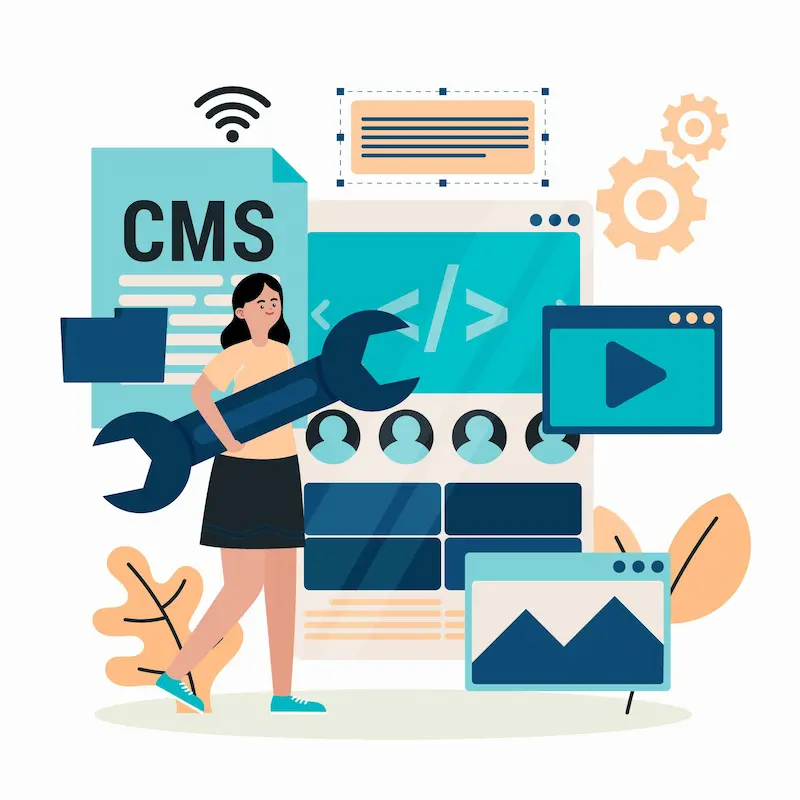
WordPress Pro Support refers to specialized assistance explicitly tailored for the WordPress ecosystem. Unlike generic technical support, this service understands the nuances of themes, plugins, the WordPress core, and database management.
For customers, this means that when a WordPress site goes down, the person on the other end of the chat understands the difference between a server error and a plugin conflict.
For hosts, it allows them to allocate resources efficiently. Simple queries are handled by entry-level staff, while more complex problems are routed to engineers with more technical expertise.
Why Tiered WordPress Support Matters for Performance, Security, and Scalability?
A well-structured support system is vital for maintaining overall productivity. If a senior engineer spends their day handling password resets, they cannot focus on complex technical problems, such as server architecture or security breaches.
By separating support levels, hosts ensure that:
- Simple issues are resolved quickly.
- Critical technical issues receive immediate attention from top-tier experts.
- The correct development team patches security vulnerabilities.
Elevate Your Hosting Business with PRO Services
Partner with Seahawk Media to deliver expert WordPress PRO services that reduce churn, improve customer satisfaction, and unlock new revenue for your hosting brand.
WordPress Support Structure Used by Web Hosting Companies
To handle the sheer volume of customer inquiries, hosts implement a support structure often based on the ITIL (Information Technology Infrastructure Library) framework. This divides the support personnel into distinct groups.
How Tiered WordPress Support Models Work in Hosting Environments?
The tiered support model functions like a filter. All incoming requests land at the top of the funnel (L1). If the issue requires more advanced technical assistance, it filters down to L2, and so on.
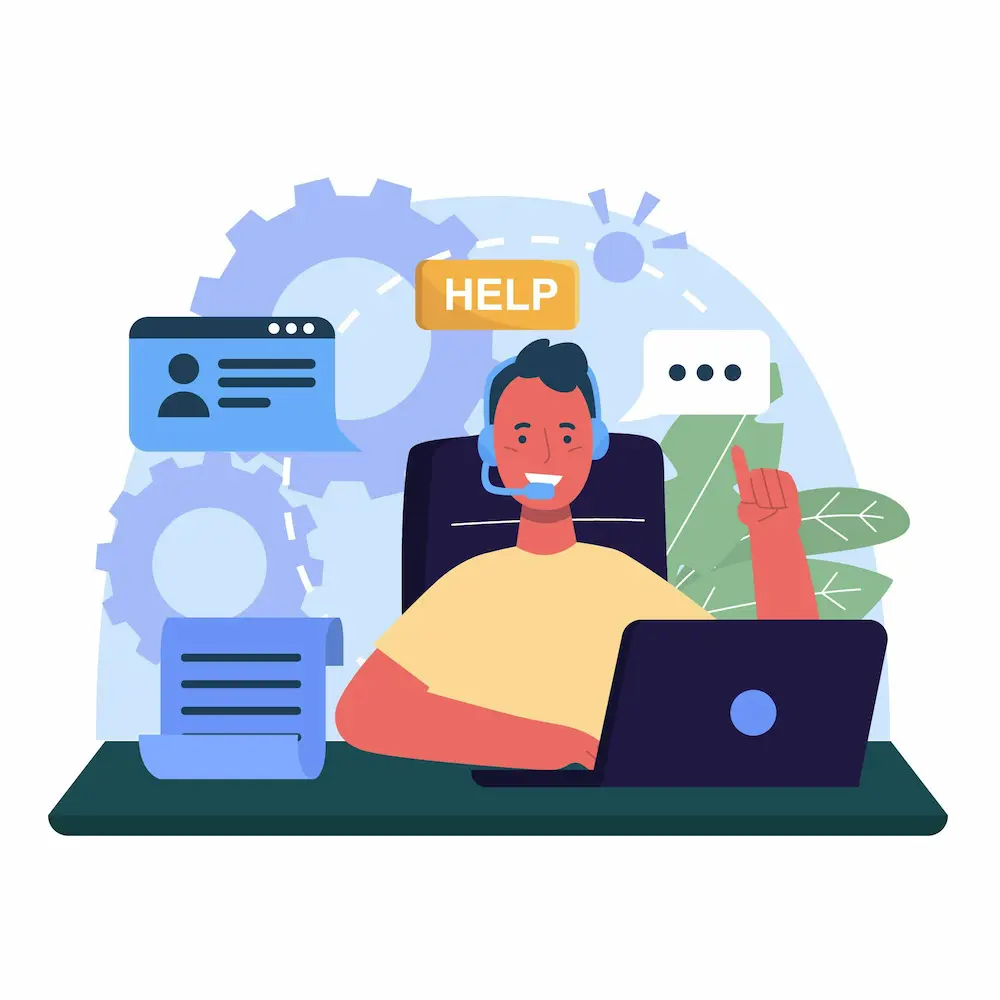
This ensures that support processes are streamlined and that human agents with high-level skills are utilized only when necessary.
Overview of L1, L2, L3, and L4 WordPress Support Levels
WordPress support is organized into tiers to ensure issues are resolved efficiently based on their complexity.
Each level has distinct responsibilities and expertise, allowing web hosts to provide faster and more reliable solutions to their customers.
- L1 (Level 1): The first line of defense. They handle basic troubleshooting, account access, and known issues.
- L2 (Level 2): Advanced technical assistance. They tackle server configurations and address more complex WordPress errors.
- L3 (Level 3): Expert engineers. They handle complex systems, code-level debugging, and backend infrastructure.
- L4 (Level 4): External or specialized internal vendors. This involves the development team responsible for the software itself (e.g., WordPress Core developers or plugin vendors).
How WordPress Support Tickets Are Escalated Across Support Tiers?
Escalation occurs when a support tier is unable to resolve an issue within a specified timeframe or lacks the necessary permissions/knowledge to do so. The goal is to identify patterns in the ticket and route it to the appropriate level.
For example, if a user reports a “White Screen of Death,” L1 checks for common causes.
If L1 cannot resolve the issue, they escalate it to L2 for review of the server logs. If L2 identifies a custom code conflict that cannot be patched, it is escalated to L3.
WordPress Pro Support Levels Explained for Web Hosts
Let’s dive deep into the specific responsibilities of each tier within a WordPress Pro Support context.
L1 WordPress Support Role and Responsibilities
Level 1 is the face of the support team. When end users open a chat or submit a ticket, they are almost always speaking to L1 support staff.
L1 agents are generalists. Their primary goal is to resolve high-volume, low-complexity issues. They rely heavily on a knowledge base and automated tools to provide guidance and support.
Speed is key here; they aim to answer queries promptly to maintain high customer satisfaction.
Common WordPress Issues Handled by L1 Support Teams: L1 focuses on fundamental issues that do not require access to the backend server. These include:
- Password resets and login difficulties.
- Assisting with software installations (like one-click WordPress installs).
- Guiding users through basic dashboard navigation.
- Pointing users to relevant tutorials for configuration.
- Identifying if a site is down due to billing issues.
Tools and Knowledge Base Used by L1 WordPress Support: L1 agents utilize scripts and standard operating procedures (SOPs). They use automated tools to check server status and CRM software to view client details.
Their “superpower” is the ability to search the internal knowledge base to find known fixes for technical problems.
L2 WordPress Support for Advanced Hosting Issues
When a ticket requires administrative access or a deeper investigation, it is escalated to Level 2. L2 agents possess more technical expertise than L1 agents.
They are often system administrators or experienced WordPress users who understand how the LAMP/LEMP stack (Linux, Nginx/Apache, MySQL, PHP) interacts with WordPress. They provide advanced technical assistance that goes beyond the dashboard.
WordPress Issues Escalated from L1 to L2 Support: Issues typically escalated to L2 include:
- Software bugs are causing 500 Internal Server Errors.
- Plugin conflicts that require deactivating files via FTP/SFTP.
- PHP memory limit exhaustion.
- DNS propagation and network issues.
- Restoring backups after a failed update.
Key Differences Between L1 and L2 WordPress Support Expertise: The main difference lies in access and diagnostic capability.
While L1 follows a script, L2 is expected to identify patterns and troubleshoot dynamically. L2 agents are comfortable using the command line (CLI) and interpreting error logs to find the root cause of an issue.
L3 WordPress Support for Complex and Critical Issues
Level 3 represents the highest level of internal technical support within a hosting company. These are the architects and senior engineers.

L3 support deals with the most complex issues that impact IT systems and server stability. They are the last line of defense before involving outside vendors. L3 agents usually have a background in development or advanced system administration.
Role of Senior Engineers in L3 WordPress Support: These engineers do not typically answer live chats. They handle unresolved tickets by L1 and L2 and manage the complex systems that keep the hosting platform running smoothly. They often create the documentation and tools that L1 and L2 use.
Examples of Complex Issues Resolved by L3 WordPress Support
- Database corruption requiring manual repair.
- Deep performance analysis using profiling tools (like New Relic) to find slow queries.
- Writing custom scripts to patch server-wide vulnerabilities.
- Mitigating large-scale DDoS attacks.
- Debugging custom themes or code that is crashing the server environment.
L4 WordPress Support and WordPress Core Involvement
Level 4 is unique because it often exists outside the direct control of the hosting support team. It represents the vendors and creators of the software.
L4 support involves interaction with the development team responsible for the product. In the context of WordPress Pro Support, this means the WordPress Core contributors, premium plugin developers, or theme creators.
Role of WordPress Core Developers and Plugin Vendors: If a bug is discovered in the actual code of WordPress or a widely used plugin (like WooCommerce or Elementor), a hosting engineer cannot simply “fix” it without potentially breaking future updates.
They must contact the vendor (L4). L4 provides the patch or the update that resolves the software bugs.
When Hosting Issues Require L4 WordPress Support: Escalation to L4 happens when:
- A software bug has been confirmed in the WordPress Core.
- A premium plugin has a security vulnerability that the host cannot patch.
- There are incompatibility issues between the server architecture and proprietary third-party software.
- Critical technical problems arise from a flaw in the underlying server OS (e.g., CloudLinux or cPanel bugs).
Role of IT Support Teams in WordPress Hosting Support
While “WordPress Support” focuses on the application layer, the broader IT support team manages the critical backbone of the hosting infrastructure.
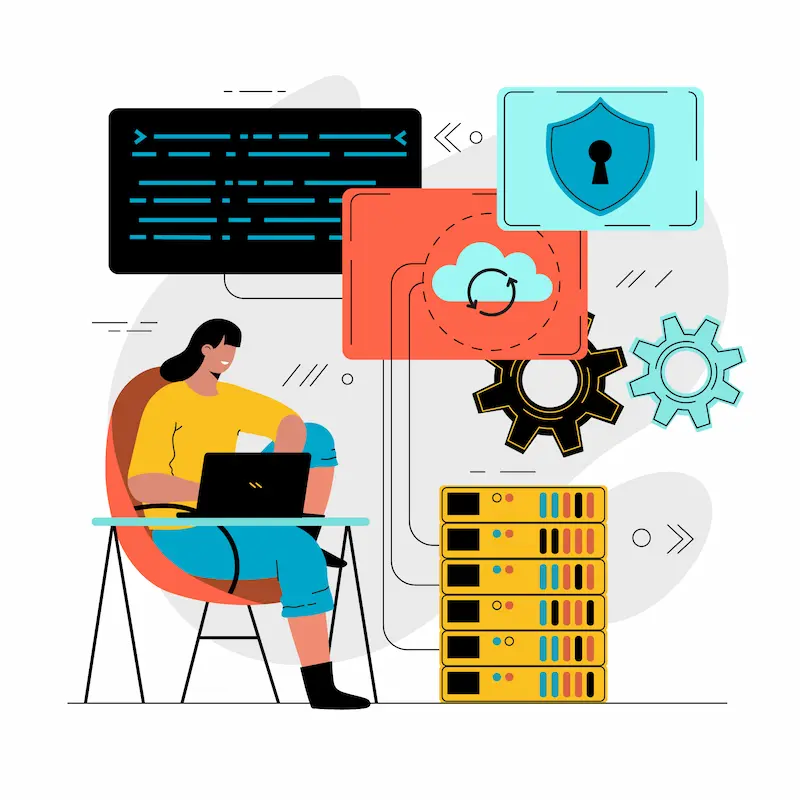
These IT teams ensure that physical servers, cloud environments, and global networks remain operational and secure. Their scope includes managing server operating systems, patching security vulnerabilities at the root level, and configuring load balancers to prevent downtime.
In a tiered support environment, the IT support team often functions as a high-level partner to L3 engineers. They serve as a safeguard against critical technical issues, such as hardware failures, network issues, or unexpected power outages in the data center.
If a WordPress site experiences latency due to server load rather than a plugin conflict, the IT support team steps in to optimize resources.
Their proactive maintenance of its systems allows the WordPress experts to focus entirely on the software and user experience, knowing the foundation is stable.
WordPress Support for RTL Languages in Hosting Environments
A niche yet critical aspect of WordPress Pro Support is handling global sites, specifically those using RTL languages (Right-to-Left) such as Arabic, Hebrew, or Persian.
Support for an RTL version of a site involves more than just translation. It involves complex CSS and HTML adjustments. Support agents must understand technical terms such as ‘unicode-bidi’ and ‘text-align’ properties.
- Unicode-bidi: This CSS property handles how the text direction is dealt with when mixed with other directions (bi-directional text).
- Text-align: Ensuring that alignment flips correctly for RTL layouts.
A host offering WordPress Pro Support must be able to troubleshoot why an RTL theme isn’t rendering correctly. If the support staff lacks knowledge of RTL languages, customer issues regarding layout breaks will remain unresolved.
Importance of a WordPress Knowledge Base in Pro Support
For support deals to be profitable and efficient for hosting providers, a robust knowledge base is non-negotiable. Often considered the “Level 0” of support, this comprehensive library of articles, tutorials, video guides, and FAQs serves as the foundation for a successful technical support strategy.
A well-maintained knowledge base does more than just list facts; it empowers end users to resolve simple issues independently, thereby reducing the workload on L1 and L2 agents.
It acts as a central repository of truth, allowing the support team to focus its energy on more complex problems that require genuine human intervention.
Furthermore, it serves as a vital training ground for new support personnel, ensuring they have more resources to learn the support processes and technical expertise required to handle customer issues effectively.
Read More: WordPress Emergency Support Explained
How Knowledge Bases Reduce WordPress Support Requests
The primary function of a knowledge base in a tiered support model is to deflect tickets.
By documenting solutions for common issues, such as password resets, email configuration, or software installations, hosting providers can significantly lower the volume of incoming support tickets.
When users encounter a problem, their first instinct is often to search for a solution. If a host provides a well-structured article that guides them through basic troubleshooting, the user resolves the issue without ever contacting a human agent.
This filtration process is crucial for scaling. It prevents the technical support team from becoming overwhelmed by repetitive queries, allowing them to maintain fast response times for critical technical issues.
Additionally, modern automated tools and AI chatbots can pull data directly from the knowledge base to answer queries quickly in live chat scenarios, further reducing the strain on the support staff.
Benefits of Self-Service Resources for Hosting Customers
From the customer’s perspective, a high-quality knowledge base is a major driver of customer satisfaction. They often prefer to fix technical problems themselves right now rather than waiting in a queue for a support agent.
Self-service resources are available 24/7, meaning a user working on their WordPress site late at night doesn’t have to wait for business hours to get help.
When resources are easy to find and follow, users feel empowered and more confident in their ability to manage their it systems.
This autonomy turns a potentially harmful experience (a broken site) into a positive one (a problem resolved quickly by the user).
Ultimately, providing more resources for self-help enables customers to make informed decisions and manage their sites with minimal friction, resulting in higher retention rates and an improved overall hosting experience.
Additional WordPress Support Resources Offered by Web Hosts
Beyond the standard support tickets and chat, premium hosts offer multiple channels for assistance:

- Community Forums: Where users help users, monitored by support agents.
- Slack/Discord Channels: For real-time, community-driven technical support.
- Automated Tools: AI-driven bots that can perform password resets or clear caches without human intervention.
- Webinars and Training: To help users avoid common issues through education.
How to Choose a Web Host Based on WordPress Support Levels?
When evaluating hosts, consider not just the price. Look at the support levels.
- Check the Channels: Do they offer 24/7 chat (L1) and ticket-based deep support (L2/L3)?
- Test Your Knowledge: Ask a technical question before making a purchase. Does the sales agent know the answer, or do they struggle?
- Read Reviews on Complex Issues: Look for reviews that mention how the host handled critical technical issues. Did they resolve the root cause or just apply a band-aid?
- Look for “Pro” or “Enterprise” tiers: These plans often include dedicated access to L3 senior engineers.
Making informed decisions based on these criteria ensures you have the appropriate level of backup when things go wrong.
Final Thoughts
The difference between a frustrating hosting experience and a seamless one often lies in the support structure.
Understanding the roles of L1, L2, L3, and L4 WordPress Pro Support helps customers appreciate the complexity of technical support and allows hosts to organize their it teams for maximum efficiency.
From basic troubleshooting at Level 1 to collaboration with the development team at Level 4, each support tier plays a vital role in keeping the internet running.
Whether you are dealing with network issues, software installations, or complex RTL language configurations, knowing who is handling your problem and why is the key to customer satisfaction.
FAQs About WordPress Pro Support Levels
What are the different support tiers in WordPress Pro support for web hosts?
Different support tiers define how WordPress issues are handled based on complexity. L1 manages basic issues like login errors and plugin activation. L2 handles advanced technical problems. L3 resolves critical server and core issues. L4 involves WordPress core developers or third-party vendors. This tiered approach is essential for fast resolution and improved customer satisfaction.
How do WordPress support tiers help improve customer satisfaction?
Different support tiers ensure that issues are routed to the right experts quickly. Basic issues are resolved faster, while complex problems receive specialized attention. This structured process reduces downtime and improves customer satisfaction by delivering accurate solutions.
What basic issues are typically handled by L1 WordPress support?
L1 support focuses on fundamental issues such as password resets, theme setup, plugin conflicts, and email configuration. Support agents rely on documentation and additional resources, such as a knowledge base, to resolve common problems efficiently.
How is artificial intelligence used in WordPress Pro support?
Artificial intelligence helps automate ticket routing, detect recurring issues, and provide instant responses. AI tools also analyze support data using specific criteria to improve response times and overall customer satisfaction.
Why does WordPress Pro support require careful planning at higher levels?
Higher support tiers handle critical and enterprise-level issues. These cases require careful planning, advanced testing, and coordination with developers. This process is essential to ensure long-term stability and consistent customer satisfaction.