Many people try ChatGPT and quickly hit limits with accuracy, tone, or use-case fit. That is why interest in ChatGPT alternatives keeps growing. You want tools that give clearer answers, better research, stronger writing, or more control for real work.
This guide breaks down the some of the best AI tools that actually deliver results. You will see which tools perform well, where they shine, and how to choose the right option based on what you need to get done.
TL;DR: Best AI Alternatives for ChatGPT
- ChatGPT and AI alternatives offer different strengths for writing, research, coding, and accuracy.
- Some tools provide better real-time data, while others focus on tone and structure.
- There are many alternatives like Gemini, Claude, and Perplexity, so it depends on how you plan to use the tool.
- Free options work for basic tasks, but paid tools offer more control and reliability.
- Switching tools helps you avoid limits and improve results.
Why Use the Other AI Tools instead of ChatGPT?
A good AI tool solves problems that slow you down. It delivers clear responses, stays consistent, and matches your specific use case instead of trying to do everything at once. You should feel confident using it for real work, not just experimentation.
While using any tool, its accuracy and context handling matter the most. Strong alternatives understand follow-up questions, maintain tone, and provide reliable information.
The best tools also offer flexible pricing, easy interfaces, and features that support writing, research, or productivity without adding friction.
Best ChatGPT Alternatives That Deliver Consistent Results
Choosing the right alternative for ChatGPT depends on what you need help with. Some tools only focus on research accuracy, others on long-form writing, marketing, or daily productivity.
Here is the complete list of tools similar to ChatGPT, covering there best features and limitations.
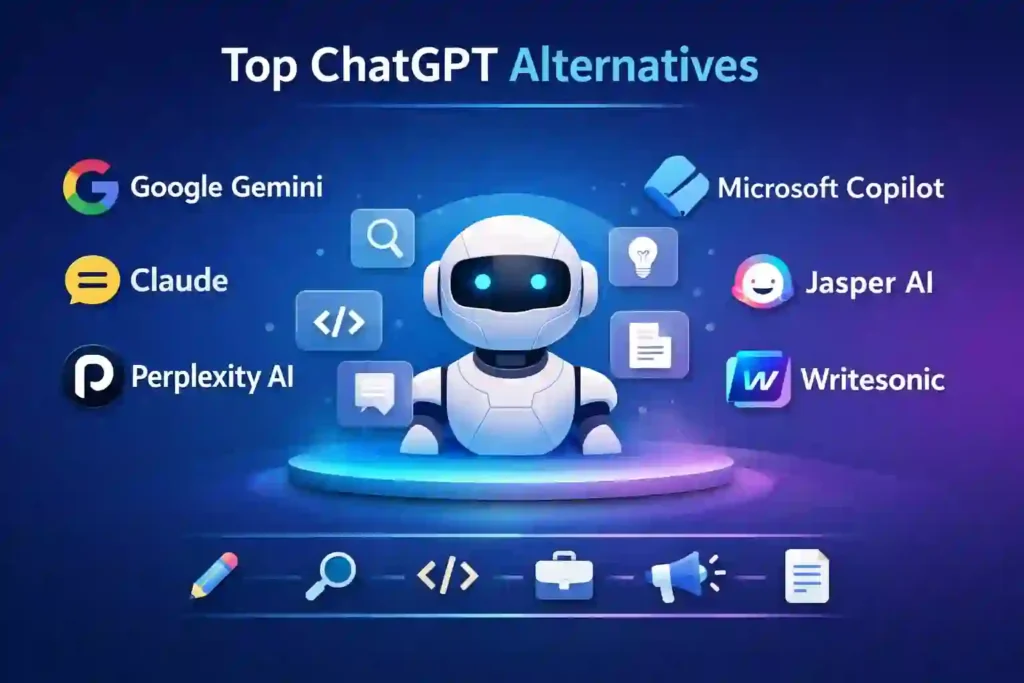
Google Gemini
Google Gemini works best for users who need accurate, up-to-date information. It pulls context from Google Search, which helps with research, summaries, and fact-based queries. This makes it useful for news-driven topics, planning, and general knowledge tasks.
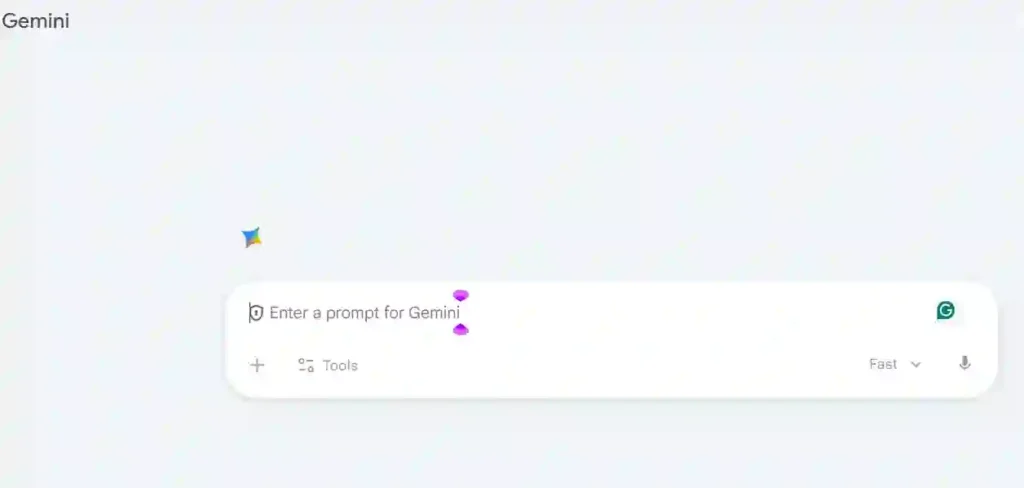
Gemini integrates with Google Workspace tools like Docs and Gmail, which helps with everyday productivity. However, it may feel less creative for storytelling or marketing copy. It suits users who value accuracy and real-time data over writing style.
Best for: Research, summaries, and productivity
Limitations: Less creative output and weaker brand tone control
Claude
Claude focuses on long-form writing and thoughtful responses. It handles context well across long conversations, which helps when drafting articles, documentation, or detailed explanations. The tone feels more natural and human compared to many tools.

Claude also manages your complex instructions clearly. It may not offer real-time data or strong integrations, but it helps you when you need clarity and structure.
Best for: Articles, documentation and long-form content
Limitations: Limited real-time data and fewer integrations
Perplexity AI
Perplexity AI works as a research assistant rather than a creative tool. It provides direct answers with sources, helping users verify information quickly. This tool is useful for research, learning, and fact checking without digging through search results.
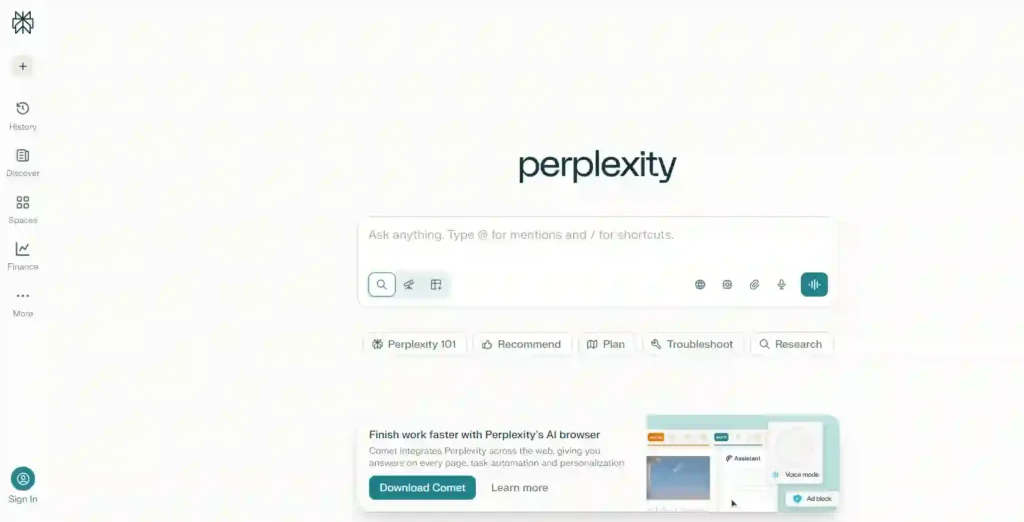
It is less suited for marketing or long-form writing. Perplexity focuses on accuracy and speed, not storytelling or tone.
Best for: Research, fact-checking, and learning
Limitations: Limited creativity and content customization
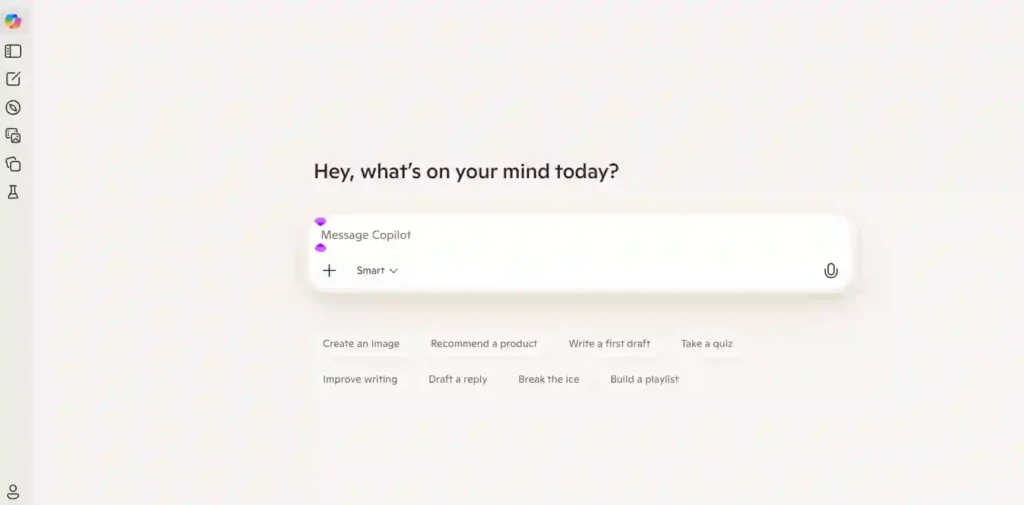
Microsoft Copilot
Microsoft Copilot fits users who already work inside Microsoft tools. It helps write content, analyze data, and automate tasks within Word, Excel, and Outlook.
This reduces tool switching and speeds up daily work. Copilot performs well for business productivity but depends heavily on the Microsoft ecosystem. It is not ideal if you work outside those tools.
Best for: Business workflows, productivity
Limitations: Requires Microsoft environment, limited creativity
Jasper AI
Jasper AI focuses on marketing and brand consistency. You control tone, messaging, and style, which helps teams maintain a consistent voice across campaigns. It works well for ads, emails, landing pages, and sales content.
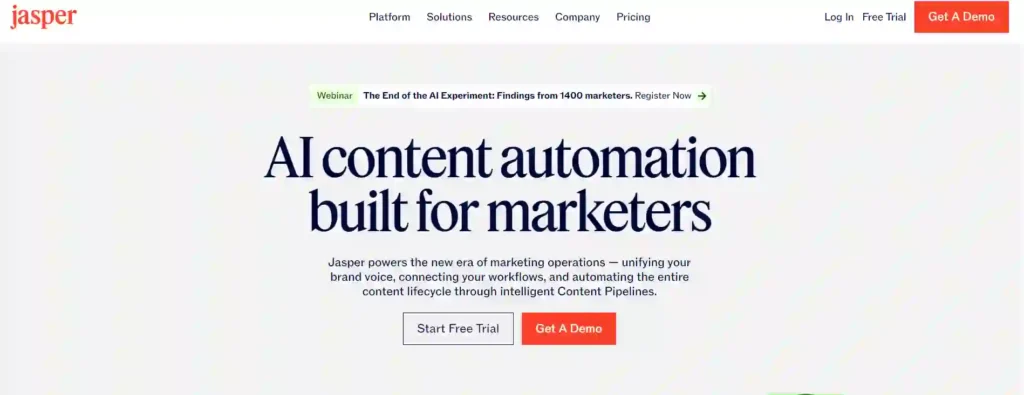
Jasper is less useful for research or technical tasks. It suits marketing teams more than general users.
Best for: Marketing, branding, and sales copy
Limitations: Weak research capabilities and paid plans required
Writesonic
Writesonic offers fast content creation using templates. You generate blogs, product descriptions, and promotional content quickly. This helps users who need speed without complex setup.
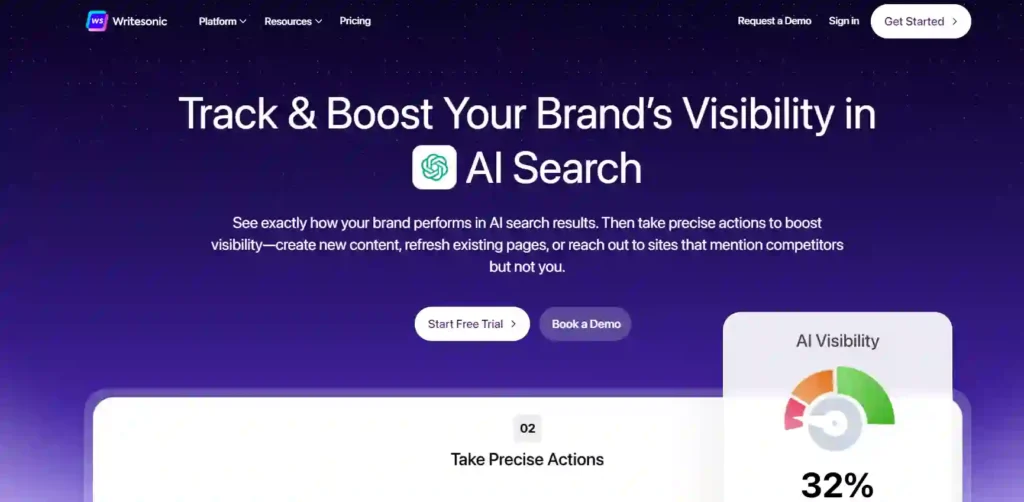
The tool offers less control over tone and depth compared to premium options. It suits small teams and solo creators who prioritize efficiency.
Best for: Writing all forms of content, blogs, and product copy
Limitations: Limited customization and depth
Best ChatGPT Competitors by Use Case
Different chatbots perform better for different types of work. Comparing tools by use case helps narrow down options based on real outcomes instead of feature lists.
AI Tools for Writing and Content
Some tools handle long-form writing better than others. Claude and Jasper AI perform well for articles, blogs, and structured content because they maintain context and tone across longer drafts. These tools suit content-focused tasks where clarity, flow, and consistency matter more than speed or real-time data.
AI Tools for Research and Fact Checking
Research-oriented tools focus on accuracy and transparency. Perplexity AI and Google Gemini provide clear answers supported by sources, helping reduce misinformation and improve trust. These tools work best for research, summaries, and verification tasks where correctness is a priority.
AI Tools for Coding and Development
Development-focused tools support technical workflows. Microsoft Copilot assists with code generation, explanations, and repetitive coding tasks within development environments. These tools improve efficiency while keeping control with the developer, rather than replacing problem-solving.
AI Tools for SEO and Marketing
Marketing tools emphasize structure, intent, and messaging. Jasper AI and Writesonic support ad copy, landing pages, and SEO-driven content with a consistent tone. These platforms suit teams focused on content production, campaigns, and conversion-driven writing.
AI Tools for Business Productivity
Productivity-focused tools integrate into existing work environments. Microsoft Copilot and Google Gemini assist with documents, emails, and data summaries inside commonly used platforms. This integration helps streamline workflows without adding extra tools or processes.
What Are the Common Limitations of Choosing ChatGPT-like Tools?
Even the best ChatGPT competitors have their limitations. Understanding these limits can help you to set realistic expectations and avoid relying on these tools beyond their strengths.
- Inconsistent Accuracy: Each AI tool’s responses can still vary in quality, especially for complex or technical topics.
- Limited Context Handling: Some tools struggle to maintain consistency and context across longer conversations or for multi-step tasks.
- Usage Restrictions: Free and lower-tier plans often include daily limits, slower responses, or feature caps.
- Reduced Creativity or Flexibility: Certain tools focus on structure or accuracy, which can limit creative output.
- Dependency on Training Data: Many tools lack real-time awareness or rely on outdated information.
- Privacy and Data Concerns: Input data may be stored or processed externally, raising compliance concerns for sensitive work.
How to Choose the Right AI Alternative for Your Needs?
Choosing the right AI tool becomes easier when your focus stays on outcomes rather than features. Each tool performs differently depending on task type, workload, and workflow.
- Identify the main purpose: Some tools excel at writing, others at research, coding, or productivity. Selecting based on primary use prevents a poor fit.
- Evaluate response quality: Consistent clarity, context retention, and accuracy matter more than occasional strong outputs.
- Review integration options: Tools that connect with existing platforms reduce friction and save time.
- Compare plan limits carefully: Free tiers often include restrictions that affect real usage. Paid plans offer stability and extended features.
- Test real scenarios: Running actual tasks reveals strengths and weaknesses better than demos.
- Trusting output without review: AI-generated content still needs human checks for accuracy and tone.
Common Mistakes When Switching From ChatGPT
Many users switch tools, expecting instant improvement. Without a clear evaluation, this often leads to disappointment and wasted time.
- Expecting one tool to solve every problem: Most alternatives focus on specific use cases, not universal coverage.
- Relying only on free plans: Usage caps and slower performance limit productivity over time.
- Skipping hands-on testing: Reading features without testing leads to poor decisions.
- Trusting output without review: AI-generated content still needs human checks for accuracy and tone.
- Ignoring workflow fit: Productivity drops when tools do not align with daily processes.
Summary
AI tools are improving, but no single tool fits every task. Some platforms perform better for writing, while others perform well for research, coding, marketing, or daily productivity tasks. While choosing the right option, check the real work instead of how many features the tool offers. By understanding each tool’s strengths, limits, and use cases, you can select the best tool for your use.
FAQs About Using ChatGPT and AI Alternatives
What is the best alternative to ChatGPT?
There is no single best option for every task. Tools like Claude, Google Gemini, and Microsoft Copilot perform well in different areas depending on writing, research, or productivity needs.
Are other AI alternatives more accurate than ChatGPT?
Some alternatives give accurate responses for specific tasks, especially research and fact checking. Howeever, accuracy still depends on the tool, data source, and use case.
Which AI tool is best for research?
Perplexity AI and Google Gemini are the best tool for research because they focus on source-backed answers and factual clarity.
Are ChatGPT alternatives suitable for business use?
Yes, there are other AI alternatives that can support your business workflows, especially tools that integrate with productivity platforms.