Online learning is more popular than ever before, and with this growth comes a crucial need for robust security. Learning Management Systems (LMS) are entrusted with handling sensitive personal and academic data, making the protection of this information paramount. This article will explore the essential LMS security features necessary to ensure a safe and trustworthy online learning environment, with a particular focus on WordPress LMS websites.
Top Current LMS Security Threats
The education sector, which includes LMS platforms, is one of the most frequently attacked industries globally.
It often experiences more than double the average number of weekly cyberattacks compared to other sectors. Top threats include:
AI-Driven Phishing and Social Engineering
This is the most rapidly evolving threat. Attackers are leveraging Generative AI to create highly convincing, “hyper-personalized” phishing and Business Email Compromise (BEC) communication methods.
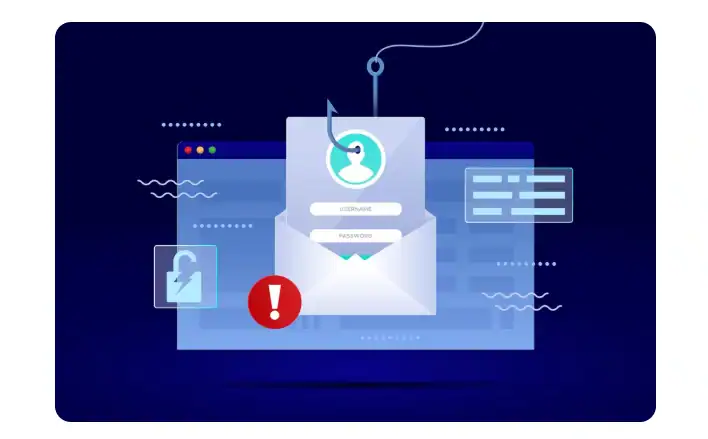
Mechanism: AI agents scrape social media and professional networks. They then use this data to generate emails that reference specific projects, colleagues, or recent events. This makes them nearly impossible to distinguish from legitimate communication for an unsuspecting user.
Target: This targets the human vulnerability (Social Engineering) to steal credentials (credential abuse), which are then used to access the LMS.
Defense: Mandatory employee and student training on advanced phishing tactics and out-of-band verification (e.g., calling a known number) for sensitive requests is essential.
Ransomware and Triple Extortion
Ransomware attacks continue to be one of the most impactful threats, often targeting the entire school or university network where the LMS resides.
Mechanism: Attackers frequently utilize stolen or compromised credentials to gain initial access. They then steal sensitive data, encrypt the systems, and demand a ransom.
Evolution (Triple Extortion): Attackers are moving beyond simple data encryption (single) and data leak threats (double). They are increasingly engaging in triple extortion, which involves demanding ransom from the victim’s customers, partners, or students directly to prevent the release of their private data.
Defense: Maintain and regularly test offline backups of all critical data. Deploy multi-factor authentication (MFA) and enforce least-privilege access to contain an attack.
Supply Chain Attacks and Third-Party Risk
LMS platforms heavily rely on various third-party vendors for specialized services, which has created a massive vulnerability.

Recent Examples: The education technology provider PowerSchool suffered a significant breach that affected over 60 million students.
The attacker used compromised credentials belonging to a technical support subcontractor to access the customer support portal. This exposed student names, addresses, Social Security numbers, and more.
Impact: Third-party involvement in breaches is increasing dramatically, making up a large percentage of all incidents.
Defense: Conduct rigorous security assessments and enforce strict security contracts (SLAs) for all third-party vendors. Apply zero-trust principles to limit vendor access only to the absolute systems they need.
Strategic Defensive Priorities for WordPress LMS Website
Given the current threat landscape, security efforts should focus on three main areas:

- Identity Protection: Deploy strong MFA (biometrics, hardware tokens) across the entire system. Implement Role-Based Access Control (RBAC) to ensure users can only access what they need.
- Vulnerability Management: Perform continuous attack surface monitoring and regular penetration testing to find and fix unpatched software vulnerabilities before attackers exploit them.
- Data Security: Ensure all sensitive student data is encrypted both at rest and in transit. Segment your network to prevent a breach in one area (like a single LMS course) from spreading to high-value assets (like your student database).
Check out: Top SaaS Tools to Keep Your WordPress Site Secure
Enhancing WordPress LMS Security Through Regular Maintenance
Maintaining a secure LMS is important for protecting your WordPress site, as it guards against potential vulnerabilities and ensures a reliable online training platform.
By focusing on key security features and regular updates, you can enhance your LMS security and safeguard sensitive data.
- Identify Key LMS Security Vulnerabilities: This helps in prioritizing areas that require attention. These vulnerabilities can arise from outdated software, weak passwords, or inadequate user permissions.
- Implement Robust Key Security Features: To comply with LMS security requirements, integrate key security features such as two-factor authentication, encryption of financial data, and stringent access controls. These measures address the needs of e-learning platforms and help secure LMS operations.
- Regularly Update and Monitor Your Site: This is crucial for detecting and addressing security risks promptly. It includes ensuring your LMS vendor’s server is secure and meets data collection regulations, which is vital to protecting both LMS and company data.
Read more: LMS Maintenance and Support Services
How Seahawk Media Can Help?
Our expertise in maintaining WordPress LMS installations can significantly enhance LMS security.

We focus on addressing key vulnerabilities, implementing cutting-edge security features, and providing ongoing support to create a secure learning environment for our clients.
This proactive approach keeps your LMS and its data safe.
Secure Your WordPress LMS Website Today
Check out our LMS maintenance plan to enhance your site’s security and protect your valuable data.
LMS Security Features for WordPress Websites
WordPress powers a large number of LMS websites. Therefore, implementing best practices for LMS security on this platform is vital.
- Regular security audits and penetration testing are crucial steps. These processes help to maintain data security and proactively prevent security breaches.
- Prioritizing data protection is a necessity. Implementing robust security measures, such as strong access controls and other security features, prevents data breaches.
- Furthermore, comprehensive security features are needed. These include thorough data encryption and the use of a Secure Sockets Layer (SSL) certificate. This helps maintain data security and prevents any unauthorized data exposure.
Finally, regularly updating and patching your LMS software is non-negotiable. This simple practice helps prevent many common security breaches and maintains high data security.
Access Control and Authentication
Access control is a critical LMS security feature, as it provides access to authorized users only. This is the first line of defense against unauthorized access.
Secure user authentication is essential, and single sign-on (SSO) and multi-factor authentication (MFA) are essential tools in this context. They help prevent issues caused by weak passwords.
Implementing access controls, such as role-based access control, also limits access to sensitive data. This is an effective method for preventing data breaches.
Secure authentication methods, such as strong password authentication, are essential for protecting login credentials and are fundamental in preventing unauthorized access.
Importance of Data Protection
Data protection is crucial for all LMS platforms, as it prevents unauthorized access to sensitive information.
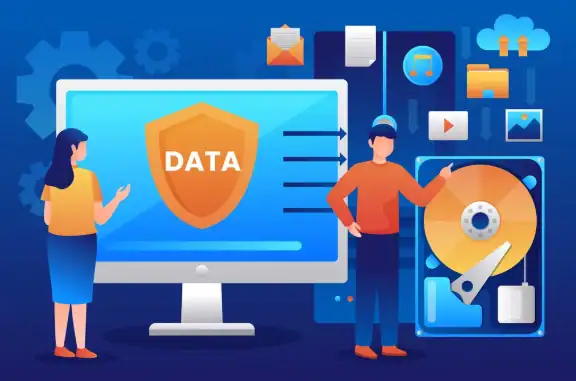
Prioritizing data security enables a platform to maintain compliance with key data protection laws and regulations.
The General Data Protection Regulation (GDPR) is a prime example of such compliance requirements.
LMS security features ensure that only authorized users can access sensitive data.
Features like role-based access control (RBAC) and a secure sockets layer (SSL) certificate make this possible.
Protecting user data is critical for maintaining trust. It also directly helps in preventing security breaches across online learning platforms.
Secure Data Storage and Management
Secure data storage and management are critical tasks for LMS platforms as they directly protect sensitive data.
Data encryption is crucial for safeguarding sensitive information. This includes data at rest (stored) and data in transit (being moved). Encryption ensures that only authorized users can access the sensitive information.
Regular data backups and comprehensive disaster recovery plans are also mandatory as they help prevent data loss and ensure business continuity. This is crucial in the event of a security breach.
Network and Infrastructure Security
Network and infrastructure security are vital for preventing cyber threats. They protect LMS platforms from major security breaches.
Implementing robust security measures is the best approach, which includes using powerful firewalls and modern intrusion detection systems. These tools prevent unauthorized access and protect sensitive data.
Secure Sockets Layer (SSL) and Transport Layer Security (TLS) are also essential. They encrypt data while it is being transferred and prevent eavesdropping by malicious malware.
Physical Security and Disaster Recovery
While much of online security is digital, physical security is also critical. It protects the physical LMS infrastructure and prevents unauthorized access to servers and sensitive data centers.
Implementing robust disaster recovery plans is a must, which includes regular data backups.
This ensures business continuity and prepares the system for potential security breaches or natural disasters.
Here, secure data centers and hosting facilities are essential for protection, as they prevent data breaches that could originate from physical locations.
Prioritizing physical security helps maintain overall data security and prevents catastrophic data loss.
Compliance and Certifications
Compliance with data protection laws is essential for LMS platforms. Regulations like the GDPR must be respected, and strong data encryption and strict access controls must be implemented.
Obtaining recognized certifications is also very beneficial. For example, the ISO 27001 certification. This demonstrates a clear commitment to data security, helping to maintain user confidence in the system.
Simply put, prioritizing compliance and certifications helps to maintain a high standard of data security and further aids in preventing serious data breaches.
Conclusion
A secure online learning environment is fundamental to the success of any LMS. By implementing essential security features, platforms can protect sensitive user data.
Key steps include implementing robust access controls, ensuring data is encrypted, and maintaining compliance with regulations such as GDPR.
Prioritizing security builds trust and ensures a safe learning experience for everyone.
FAQs About LMS Security Features
What are the key LMS security features in online learning platforms?
The key LMS security features include strong user authentication, data encryption, and regular security audits to ensure a secure learning environment.
Why is restricting access important in LMS systems?
Restricting access is crucial to control who can view or modify sensitive information, thereby preventing unauthorized access and reducing potential security risks.
What are some important LMS security features to enhance protection?
Important LMS security features include secure user management, ethical data handling, and compliance with data privacy laws to protect LMS data.
How can one mitigate LMS security vulnerabilities?
To mitigate security vulnerabilities in a LMS website, it is essential to regularly update software, perform vulnerability assessments, and train LMS users on security best practices.
What should be prioritized when selecting an LMS vendor?
When selecting an LMS vendor, prioritize security features such as encryption and robust user authentication, and ensure their servers comply with relevant data privacy regulations.
How does controlling access contribute to LMS data security?
Controlling access by implementing role-based permissions ensures that only authorized users can access multiple applications, thereby enhancing LMS data security and integrity.
Why is it important to consider mobile devices in LMS security?
Mobile devices introduce additional security risks; hence, it is important to secure these devices to protect user accounts and the company’s valuable data.