Your website can look perfect and still fail in search. That is where Web Crawlers make the difference. They act as the first visitors to your site and decide how search engines see your content. Manually checking pages for errors takes time and invites mistakes. Crawlers solve this fast.
Web crawlers scan every page, link, and asset to uncover SEO issues that hurt visibility. They help search engines understand your site structure, index content correctly, and rank pages faster. From crawl budget control to internal linking and page speed, crawlers power smart SEO decisions.
In this guide, you will discover the best web crawlers and how they strengthen your SEO strategy.
TL;DR: Best Web Crawlers That Power SEO and Site Visibility
- Web crawlers scan your website to help search engines index pages, understand structure, and improve SEO performance.
- Different crawler types serve distinct purposes, including general, focused, incremental, search-engine, social-media, and SEO-tool crawlers.
- Popular crawlers like Googlebot, Bingbot, AhrefsBot, and Screaming Frog help identify technical issues, backlinks, and optimization gaps.
- Proper crawler management using robots.txt, firewalls, and CDNs protects your site from malicious bots while supporting healthy indexing.
Understanding Web Crawlers
Web crawlers, also known as web crawler bots, are automated programs that move back and forth the web, organizing content for search engine optimization, data gathering, and monitoring purposes.
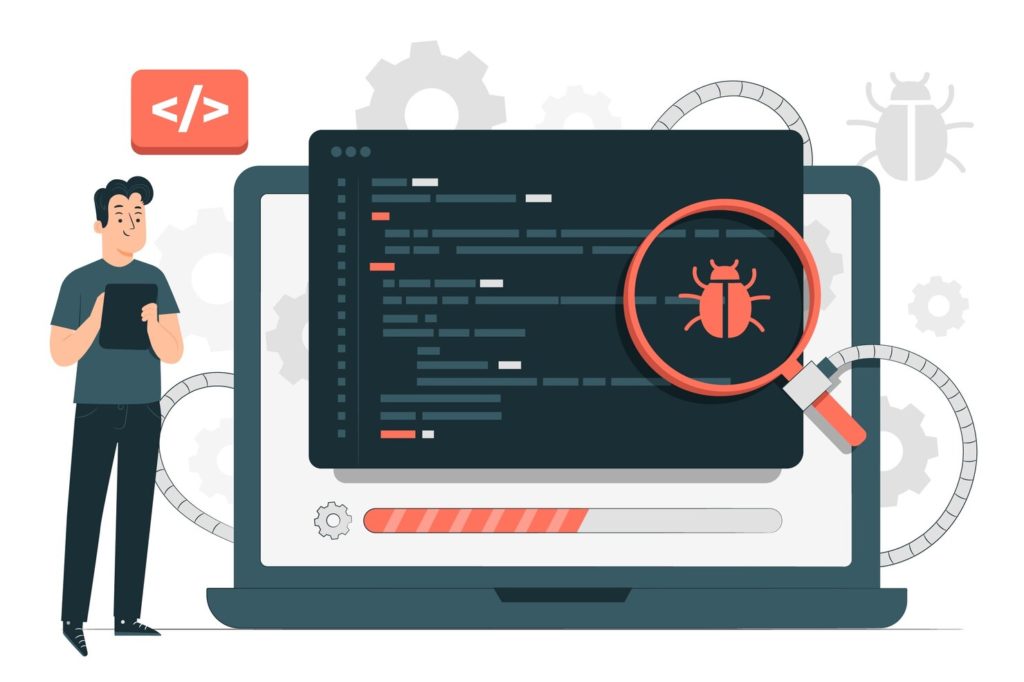
They are essential for indexing web pages with search engines such as Google, Bing, and others, and for using a user-agent token to identify themselves when accessing websites.
Web crawlers also help monitor and optimize large websites by identifying SEO issues such as duplicate content, broken links, and improper meta tags. They analyze crawled pages, ensuring that pages are correctly structured and included in XML sitemaps for indexing.
Understanding the workings of various web crawlers through a comprehensive list can help optimize landing pages for search engines.
Read more: What is a Web Crawler
How Web Crawlers Work
Web crawlers systematically scan web pages and index their content, storing it in a search engine’s index for retrieval in response to user search queries. It follows links from one page to another and adheres to the robots.txt protocol, helping search engine crawlers determine which URLs they can access on your site.
Developers or marketers can specify in their robots.txt file on their site whether they approve or deny certain crawlers based on their user-agent token.
Understanding the crawling process can make your website more accessible and visible to search engines like Google and Bing. This knowledge can ultimately enhance your website’s ranking and visibility in search results.
Looking To Enhance Your Site’s SEO?
Let our SEO experts improve rankings and drive organic traffic with proven technical and site structure optimizations.
Learn More: How to Fix “New Reason Preventing Your Videos from Being Indexed”
Types of Web Crawlers
There are three primary types of web crawlers:
- General crawlers, also known as web crawlers or spiders, systematically browse web pages to collect data for search engine indexing. Search engines use this information to rank and present search results.
- Focused crawlers target specific types of content or websites. They are designed to gather information on a particular topic or domain.
- Incremental crawlers only crawl web pages that have been updated since the last crawl. This allows them to efficiently collect new or modified content without recrawling the entire website.
Focused crawlers, on the other hand, collect web pages that adhere to a specific property or topic, strategically prioritizing the crawl frontier and maintaining a collection of relevant pages.
Incremental crawlers revisit and recrawl URLs to keep the crawled data up to date, making them ideal for scenarios that require updated, consistent data.
Related: How Search Engines Work: Crawling, Indexing, & Ranking
Top 14 Web Crawlers You Should Know
This comprehensive crawler list details the most common web crawlers, highlighting their role in search engine indexing, data collection, and analysis. These crawlers include:

- Googlebot
- Bingbot
- Yandex Bot
- Google Bard
- Openai ChatGPT
- Facebook Crawler
- Twitterbot
- Pinterestbot
- AhrefsBot
- SemrushBot
- Moz’s Campaign Crawler Rogerbot
- Apache Nutch
- Screaming Frog
- HTTrack
We will explore each of these in the crawler list, focusing on their unique roles and functionalities.
Also Know: Best Website Audit Tools for SEO
Googlebot
Googlebot, also known as the user agent Googlebot, is the primary web crawler for Google. It is responsible for indexing and rendering pages for the search engine. It crawls Google websites by following links, scanning web pages, and adhering to robots.txt rules, ensuring website content is accessible to Google’s search engine.

Being familiar with Googlebot is essential as its crawling process can notably enhance your website’s search engine ranking and visibility.
Bingbot
Bingbot is Microsoft’s web crawler for the Bing search engine, with a mobile-first indexing approach. It focuses on indexing the mobile version of websites, emphasizing mobile-friendly content in search results to cater to the mobile-centric nature of modern browsing.
It is similar to Googlebot, and the leading Chinese search engine is a crucial crawler for those who want their content to be discoverable across multiple search engines.
Check Out: Best Digital Marketing Strategies for Local Business
Yandex Bot
Yandex Bot is the web crawler for the Russian search engine Yandex, prioritizing Cyrillic script and Russian-language content. It is responsible for crawling and indexing predominantly Russian websites, catering to the specific needs of the Russian-speaking audience.
Yandex Bot is a crucial web crawler for those targeting the Russian market to optimize their content.
Google Bard
Google Bard is a web crawler for Google’s Bard and Vertex AI generative APIs, helping web publishers manage site improvements.
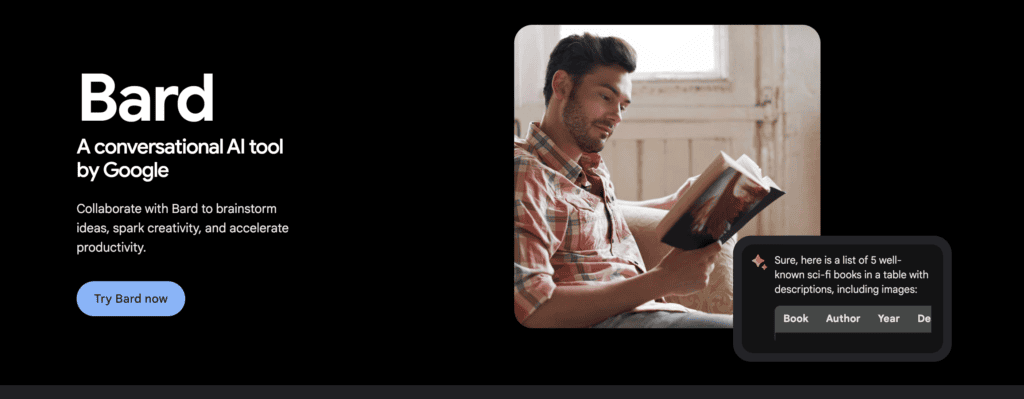
It can aid web publishers in managing site improvements by offering more precise responses, integrating with Google apps and services, and enabling publishers to regulate AI training data.
It enhances the visibility of source content and provides genuine citations in responses, making it a valuable tool for web publishers looking to optimize their content.
Find Out: How to Migrate from Blogger to WordPress
OpenAI ChatGPT
OpenAI’s web crawler significantly enhances the AI’s capabilities, resulting in a superior user experience and more accurate responses from the AI-driven chatbot.
It is a web crawler used by OpenAI for training and improving its language models. GPTBot collects publicly available data from websites to improve artificial intelligence models such as GPT-4.
Keep Reading: How to View Google Cached Pages
Social Media Crawlers
Social media crawlers enhance user experience and engagement on various platforms. They index and display shared content on platforms such as Facebook, Twitter, and Pinterest, providing users with visually appealing, informative previews of web content.
We will now discuss three notable social media crawlers: Facebook Crawler, Twitterbot, and Pinterestbot.
Facebook Crawler
Facebook Crawler gathers website information shared on the platform and generates rich previews, including a title, short description, and thumbnail image.
This allows users to get a quick glimpse of the shared content before clicking the link, enhancing the user experience and encouraging engagement.
Facebook Crawler optimizes shared content for the platform, providing users with a visually engaging and informative browsing experience.
Twitterbot
Twitterbot, Twitter’s web crawler, indexes and displays shared URLs to show web content previews on the platform.
By generating preview cards with titles, descriptions, and images, Twitterbot provides users with a snapshot of shared content, encouraging user engagement and interaction.
Twitterbot optimizes content for the Twitter platform, making it easier for users to discover and interact with shared content.
Pinterestbot
It is a web crawler for the visually-driven social platform, focusing on indexing images and content for display on the platform. Pinterestbot crawls and indexes images, enabling users to discover and save visual inspirations through pins and boards.
Its primary function is to provide a visually stunning, organized browsing experience for users, enabling them to explore and engage with content tailored to their interests.
Get to Know: Why is Your WordPress Slow
SEO Tool Crawler List
SEO tool crawlers are essential in collecting data for website performance analysis and optimization in various SEO platforms.
These crawlers provide valuable insights into website structure, backlinks, and user engagement, helping website owners and marketers make informed decisions for improving their online presence.
We will now explore three popular SEO tool crawlers: AhrefsBot, SemrushBot, and Moz’s Campaign Crawler, Rogerbot.
AhrefsBot
AhrefsBot is a web crawler that indexes links for the Ahrefs SEO software. It visits 6 billion websites daily, making it the second-most-active crawler after Googlebot.

AhrefsBot crawls websites to collect information on backlinks, keywords, and other SEO factors. It is used to inform optimization decisions.
AhrefsBot is a valuable tool for those wanting to enhance their website’s search engine ranking and visibility. Also includes website owners, SEO professionals, and marketers.
SemrushBot
SemrushBot is a web crawler bot employed by Semrush, a premier SEO software provider. To acquire and catalog website data for its clients’ utilization on its platform. It generates a list of web page URLs, visits them, and stores certain hyperlinks for future visits.
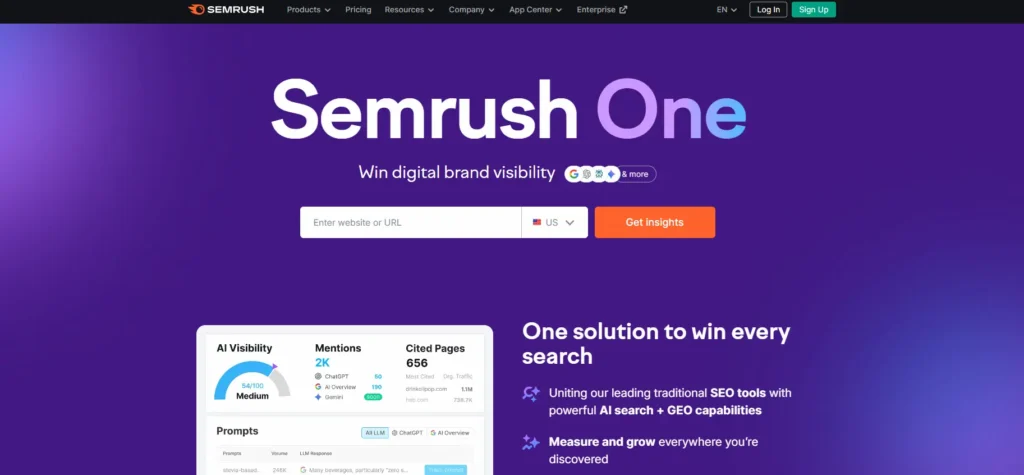
SemrushBot’s data is employed in several Semrush tools, including:
- Public backlink search engine
- Site audit tool
- Backlink audit tool
- Link-building tool
- Writing assistant
These tools provide valuable insights for optimizing website performance and SEO strategies.
Moz’s Campaign Crawler Rogerbot
Moz’s Campaign Crawler Rogerbot is a web crawler specifically designed for Moz Pro Campaign site audits. The leading SEO site, Moz, provides it.
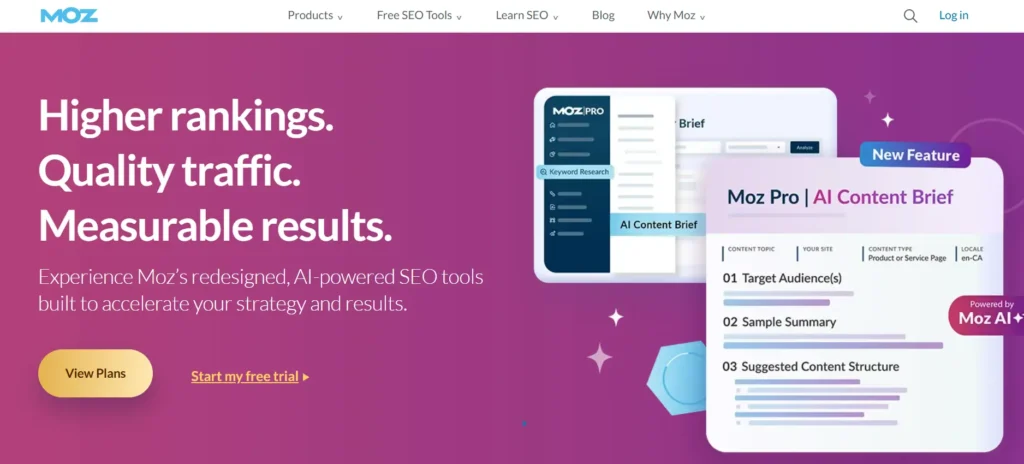
It gathers content for Moz Pro Campaign audits and adheres to robots.txt rules to ensure compliance with the website owner’s preferences.
Rogerbot is a valuable tool for website owners and marketers who want to improve their website’s search engine ranking and visibility. It uses comprehensive site audits and data-driven optimization strategies.
Related: Optimal SEO On WordPress: A Comprehensive Guide
Open Source Crawlers
Open-source crawlers offer flexibility and scalability for specific website crawling or large-scale internet crawling. These crawlers can be customized to fit particular needs.
It makes them a valuable resource for web developers and SEO professionals looking to optimize their website’s performance.
We will now delve into three open-source crawlers: Apache Nutch, Screaming Frog, and HTTrack.
Apache Nutch
Apache Nutch is ideal for web developers and SEO professionals who require a customizable web crawler to meet their specific needs, whether crawling a particular website or conducting large-scale internet crawls.
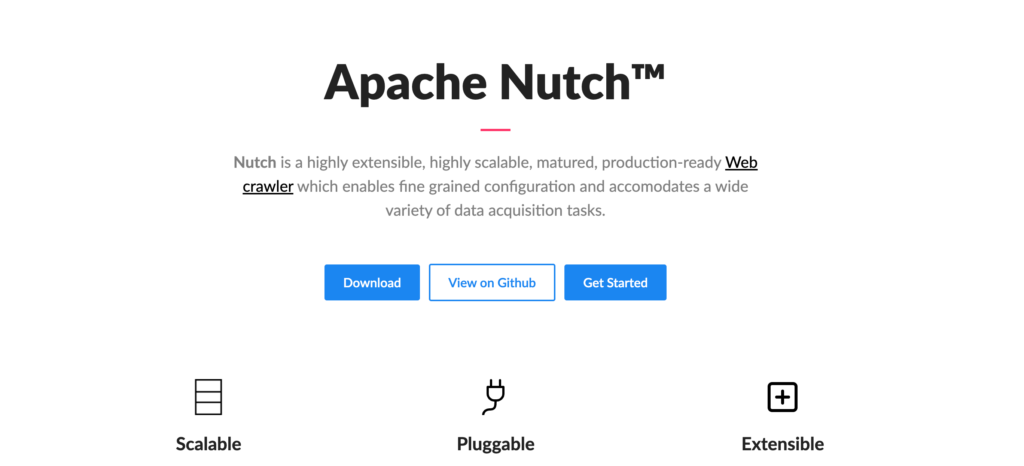
- A flexible and scalable open-source web crawler
- Used for crawling specific websites or the entire internet
- Based on Apache Hadoop data structures
- It can be configured in detail.
Screaming Frog
Screaming Frog is a desktop tool for crawling websites from an SEO perspective, presenting onsite elements in tabs for real-time analysis and filtering. It is renowned for its user-friendly interface and swiftness in producing technical results that maximize Google crawls.
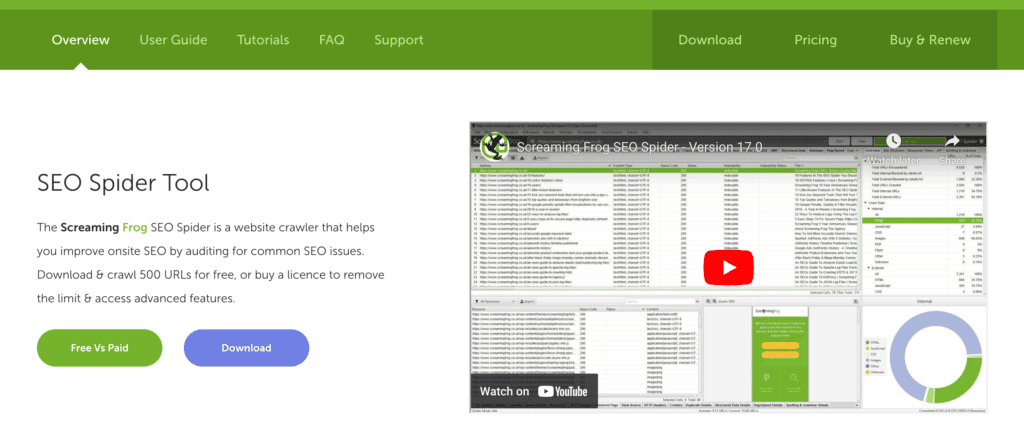
Screaming Frog is a vital resource for web developers and SEO professionals seeking to enhance their websites’ performance through comprehensive site audits and data-driven optimization strategies.
HTTrack
HTTrack is freeware that can download and mirror websites, supporting multiple systems and many features. It operates by employing a web crawler to retrieve the website’s files and organize them in a structure that preserves the original site’s relative link structure.
This enables users to browse the downloaded website offline using any web browser. HTTrack is a valuable tool for website owners and marketers who want to create a local copy of a website for offline browsing or replication purposes.
Learn More: Migrate Your Website to WordPress
Protecting Your Website from Malicious Crawlers
Protecting your website from malicious crawlers is essential to prevent fraud, attacks, and information theft.

Identifying and blocking these harmful crawlers can safeguard your website’s content, user data, and online presence. It makes your visitors’ browsing experience safe and secure.
We will now discuss techniques for identifying malicious crawlers and methods for blocking their access to your website.
Identifying Malicious Crawlers
Identifying malicious crawlers involves checking user agents, including the whole user agent string, user agent string desktop, user agent string, and IP addresses in site records.
You can differentiate between legitimate and malicious web crawlers by analyzing these characteristics. This helps you take appropriate action to protect your website from potential threats.
Regularly monitoring your website’s access logs and implementing security measures can help maintain a secure online environment for your users.
Blocking Techniques
Techniques such as adjusting permissions via robots.txt and deploying security measures, such as web application firewalls (WAF) and content delivery networks (CDN), can block malicious crawlers.
Utilizing the ‘Disallow’ directive followed by the user-agent name of the crawler you wish to block in your robots.txt file is an effective way to block specific web crawlers.
Additionally, implementing a WAF can protect a website from malicious crawlers by filtering traffic before it reaches the site. In contrast, a CDN can mitigate this by routing requests to the server closest to the user’s location, reducing the risk of bot attacks on the site.
Employing these blocking techniques can help safeguard your website from harmful crawlers and ensure a secure browsing experience for your visitors.
Related: Best WordPress Security Service Providers
Summary
In conclusion, web crawlers play a vital role in the digital landscape, as they index web pages, gather data, and enable search engines to deliver high-quality results.
Understanding the different types of web crawlers and their functions can provide valuable insights into optimizing your website and staying ahead in the digital world.
By implementing appropriate security measures and blocking techniques, you can protect your website from malicious crawlers and maintain a safe and secure online environment for your users.
Frequently Asked Questions
What are some examples of crawlers?
Examples of web crawlers include Googlebot (desktop and mobile versions), Bingbot, DuckDuckBot, Yahoo Slurp, YandexBot, Baiduspider, and ExaBot.
What is a crawler search engine?
A crawler search engine, also known as a spider, robot, or bot, is an automated program that systematically browses web pages to index them for search engines.
What is a crawler and its types?
Crawlers are automated computer programs that search the internet, often referred to as ‘robots.’ Different crawlers specialize in web scraping, indexing, and link following. They use this data to compile webpages for search results.
What is the purpose of social media crawlers?
Social media crawlers help index and display content on multiple platforms, improving user experience and enhancing engagement.
How can I protect my website from malicious crawlers?
Implement web application firewalls (WAF) and content delivery networks (CDN) to protect your website from malicious crawlers.
What is web crawling in SEO?
Web crawling is the process by which search engines scan and index web pages using automated bots (crawlers) to help rank them in search results.
What is the best web crawler?
Googlebot is the most powerful web crawler, but other popular ones include Bingbot, Screaming Frog SEO Spider, and AhrefsBot.