Thinking about moving your online store? PrestaShop to WooCommerce migration is one of the smartest upgrades for modern eCommerce. Store owners switch to WooCommerce for better flexibility and control. In this guide, we will walk you through a smooth transition without risking your data or growth.
TL;DR: Quick Migration Insights You Should Know
- WooCommerce offers an easier interface with full control over design, plugins, and store management, making it ideal for growing businesses.
- Always back up your existing store data, including products, customers, and orders, to avoid loss during the transition process.
- Use reliable migration tools or plugins to export and import data accurately without technical complications or downtime.
- After setup, focus on customization, SEO settings, and performance optimization to launch a high-converting online store.
Why WooCommerce Over PrestaShop?
WooCommerce, with its easy-to-access and wide variety of themes, is taking over many e-commerce platforms. However, there are a few more reasons why it has the upper hand over PrestaShop:
WooCommerce is a WordPress Plugin
While PrestaShop is an independent e-commerce platform, WooCommerce is a customizable WordPress plugin.

It also has free and paid plugins to help you with the setup process on the WordPress interface. With WooCommerce, you have full control over setting up your store, products, designs, themes, and much more.
- Wide Variety of Themes: The best part of this platform is its wide variety of stylish, classy themes and designs. You can choose from hundreds of eye-catching pieces for your website to attract visitors to your store.
- Easy Store Management: Regarding smooth e-commerce functionality, WooCommerce stands out as a winner. Here you can easily track, monitor, and manage your store functionality.
Even if you are new to setting up an online store, WooCommerce’s intuitive features make it easy to get started. This helps boost your performance and keeps you up to date on all new features and their usability.
- Pricing Factor: Starting over on a new platform comes with many worries, including the cost of new plugins and extensions. But with WooCommerce, you need not worry about the price.
WooCommerce is a WordPress plugin; hence, it is free and open-source software. You can begin and expand your possibilities with several free extensions and features.
- SEO Friendly: With WordPress as your interface, a well-SEO-optimized website is a piece of cake!
WooCommerce provides a platform for creating and modifying content, URLs, meta descriptions, setting keywords, structuring your site, and more. This helps you create an SEO-friendly online presence and user-friendly content.
Switch Seamlessly to WooCommerce
Connect with us for the best development services and get a fully functional WooCommerce store.
Steps to Migrate From PrestaShop to WooCommerce
Now that you have five good reasons to support your decision to move away from PrestaShop, let’s begin the migration process. Below is a step-by-step guide to getting you started with the migration process:
Step 1: Create a Backup of Your PrestaShop
Creating a backup of your data from your old platform is crucial before moving on to the new one. So, create a backup of your PrestaShop and import it into WooCommerce later, before starting the migration.
Your PrestaShop store holds critical information, including products, orders, customer groups, and SEO URLs. To avoid any data loss, back up everything, including:
- Products and categories
- Customers and passwords
- Orders and order status
- Prestashop URLs and metadata
- Shipping and tax settings
- Custom code or theme files
You can use PrestaShop’s built-in backup tool or manually export your CSV files. This ensures your data is safe in case something goes wrong during the process.
Step 2: Install the WooCommerce Plugin on WordPress
The second step is to install and set up the WooCommerce plugin on your WordPress interface. All you need to do is add the plugin, install and then activate it to run the platform.
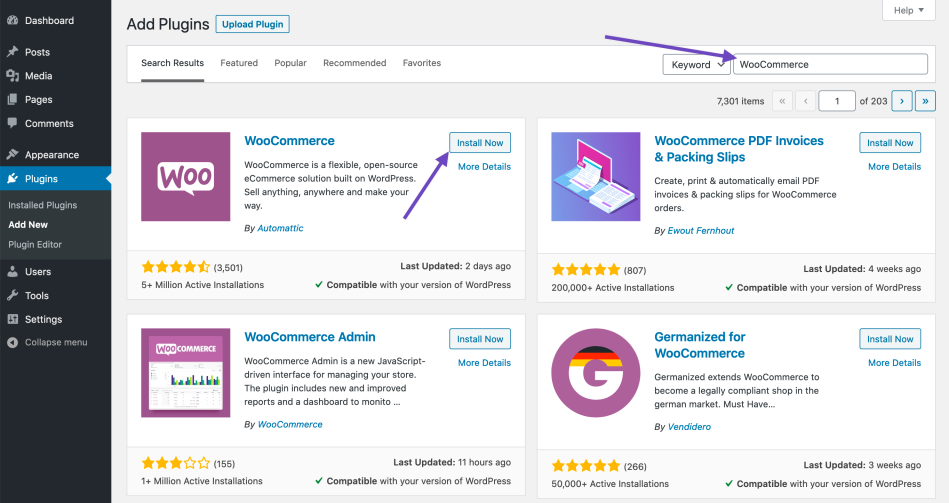
Once installed, WooCommerce will walk you through an initial setup wizard where you can add store details such as your store URL, location, currency, and basic settings.
Know: How to Migrate From Joomla to WordPress
Step 3: Download the WooCommerce Migration Tool Plugin
You will need to download a migration tool plugin to make the migration as smooth as possible. This plugin will help ensure the easy transfer of your data and a hassle-free website migration. Once you are done with the above initial steps, you can go on to start with the Migration process from PrestaShop to WooCommerce:
Step 4: Export Your Data From PrestaShop
Exporting your data from the old platform is one of the crucial steps to begin with when migrating. To export your data
- Go to the PrestaShop Data Management page
- Go to Tools ⟶ E-commerce ⟶ Data Management
- Finally, select and click on the Export option
Step 5: Import Data into WooCommerce
Once you have exported all the important data from PrestaShop, it’s time to import it into WooCommerce for new beginnings. You can do this by:
- Access your WordPress dashboard and go to Tool ⟶ Import
- Select the WooCommerce Importer and click on Run Importer
- Once the import is complete, you will see a successful import message on your screen.
Step 6: Structure Your Products
Moving from one platform to another, you must map and list all your products. This simply means you must instruct WooCommerce which PrestaShop data to import into your WooCommerce store. Once that is done, you will have structured product data in WooCommerce.
Step 7: Execute the Final Data Migration to WooCommerce
Now that you have completed all the above small steps, it’s time to take the big step, bid goodbye to PrestaShop, and say hello to WooCommerce!
- Go to the WooCommerce Tab in your WordPress dashboard.
- Spot the Migrate option and click it.
- You can now move all your products, data, orders, customers, and more to WooCommerce.
Step 8: Set up Your Payment and Shipping Modes
Once you have successfully migrated from PrestaShop to WooCommerce, set your payment and shipping options.
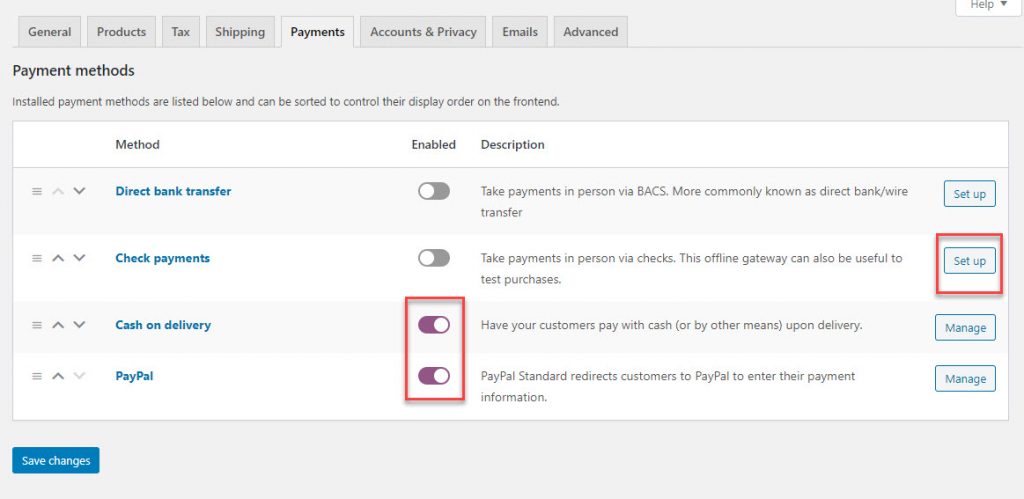
You can do this by simply going to the WooCommerce tab. Click Settings, then set up both payment and shipping zones accordingly.
Step 9: Get Started with Your New Store
After completing all the steps above, you can launch your store and start over with WooCommerce. Set up your store according to your requirements and get started with your new e-commerce platform. From designing to advancing your store with WooCommerce, you can call yourself the store’s BOSS now!
Tips to Customize Your New WooCommerce Store
When transitioning your online store from PrestaShop to WooCommerce, one of the key steps is customizing your store’s appearance and functionality to align with your brand and meet your customers’ needs.

This is an important part of the WooCommerce maintenance guide. Here’s a detailed look at how you can achieve this using WooCommerce themes and extensions:
Theme Selection
First impressions matter, and your theme sets the tone for your new WooCommerce store.
Choose a theme that not only looks great but also offers flexibility and performance.
- Choosing the right theme is crucial to creating a visually appealing, user-friendly store. Start by exploring the wide range of WooCommerce-compatible WordPress themes, both free and premium.
- Look for a theme that aligns with your brand identity and provides the design elements you need, such as customizable homepage layouts, product page styles, and header/footer options.
- Use responsive design to ensure your store looks great and functions smoothly across desktops, tablets, and smartphones.
Plugin Integration
Plugins are where WooCommerce really shines. They let you add powerful features to your store without needing a developer.
- WooCommerce offers a vast library of extensions (plugins) that enhance your store’s functionality. These plugins cover various aspects of e-commerce, including payment gateways, shipping methods, product variations, and marketing tools.
- Assess your store’s specific requirements and integrate plugins that address those needs. For example, if you offer international shipping, you might install a plugin that provides accurate shipping rates based on location.
- Explore popular WooCommerce extensions, including WooCommerce Subscriptions for recurring payments, WooCommerce Bookings for appointment scheduling, and WooCommerce Memberships for content restriction and membership plans.
Customization Options
No coding? No problem. WooCommerce makes store customization easy. You can tailor your store’s look and feel to reflect your brand, right from the WordPress dashboard.
- WooCommerce provides built-in customization options that allow you to tailor your store’s appearance and functionality without extensive coding knowledge.
- Customize colors, fonts, and typography to match your brand’s style guide. WooCommerce themes often include options to adjust these elements within the WordPress Customizer.
- Take advantage of layout customization features to arrange product listings, sidebar widgets, and other elements on your store’s pages.
- Utilize theme-specific customization panels or page builders (if supported) to create unique page layouts and add custom elements such as banners, sliders, and featured products.
Optimization for Conversion
A beautiful store isn’t enough; you need it to convert visitors into buyers. Use smart features that guide users toward checkout with fewer distractions.
- Enhance your store’s conversion rate by implementing features designed to encourage purchases and streamline the checkout process.
- Explore plugins that offer advanced product recommendations based on customer behavior, helping users discover relevant products and increase their average order value.
- Install plugins that enable abandoned cart recovery, so you can automatically follow up with customers who leave items in their carts without completing the purchase.
- Optimize your checkout process by reducing friction and distractions. Use a one-page checkout plugin or streamline the default WooCommerce checkout fields to make the process quick and intuitive for customers.
Read More: How to Add a WooCommerce Shop to Google Merchant Center
Regular Updates
Don’t overlook maintenance; keeping everything up to date is key to site health. Updates bring new features, patch security flaws, and keep your store running smoothly.
- Keep your theme and plugins up to date to ensure compatibility with the latest versions of WooCommerce and WordPress.
- Regular updates not only provide access to new features and enhancements but also address security vulnerabilities and bug fixes.
- Set up automatic updates for your themes and plugins whenever possible to keep your store secure and perform optimally.
By carefully selecting themes and integrating the right extensions, you can create a fully customized
WooCommerce store that meets your specific business requirements, enhances your customers’ shopping experience, and drives conversions effectively.
Regular updates and ongoing optimization will help you maintain a competitive edge in the ever-evolving e-commerce landscape.
Wrap Up
Migrating your PrestaShop store to WooCommerce is easier than ever. With tools like the FG PrestaShop plugin or a trusted WooCommerce migration service, you can securely transfer your products, orders, customer information, and even SEO URLs, often in just a few clicks.
Whether you’re moving Prestashop customers, handling order status, or preserving product categories and billing address data, today’s WooCommerce migration process ensures a smooth transition without data loss. You can also run a free demo migration to preview results before committing.
Take advantage of WooCommerce’s intuitive interface, vast ecosystem, and full control over your ecommerce platform. With proper planning and the right white-label partner, you can migrate successfully and launch your new WooCommerce store in no time.
FAQs About PrestaShop Migration to WooCommerce
How long does the PrestaShop to WooCommerce migration take?
Most PrestaShop-to-WooCommerce migration projects take a few hours. Time depends on the size of your PrestaShop site and the complexity of your data transfer. Large ecommerce store setups with more store data may take longer.
Can I migrate all the data from my existing PrestaShop store?
Yes. You can move all the data, including products, customers, cms pages, and order status history. Use automated or manual migration tools to export data from the PrestaShop database and import PrestaShop products into the target WooCommerce store.
Will my SEO rankings and URLs be affected?
You can protect search engine visibility with proper data mapping. Redirect old PrestaShop URLs to new WooCommerce URLs to avoid broken links. This helps maintain search engine rankings and keeps traffic stable.
Can I migrate customer passwords and order details?
Yes, you can migrate customer passwords, preserve order IDs, and even retain coupon expiration dates. Ensure strong data integrity during data transfer by selecting the right data entities and verifying mapping accuracy.
What should I do after the migration is complete?
Set up payment gateways, shipping zones, and review WooCommerce features. Check your hosting environment and test WooCommerce accounts. A WooCommerce development agency can help optimize your target store by leveraging the vast WordPress ecosystem to improve performance.