A front page design for project work is the cover page of your assignment or report that includes the project title, student name, subject, and institution details. A well-designed front page creates a strong first impression and follows your school or college format guidelines.
This guide covers 20+ design examples, free templates you can download, and a step-by-step guide to creating your own project front page in Word, Canva, or Photoshop.
Quick Takeaways: Front Page Design Essentials
- A strong front page creates the first impression and sets expectations for the entire project.
- Clear hierarchy helps readers instantly identify the project title and key information.
- Limiting your design to two fonts keeps the layout clean and professional.
- Using two or three complementary colors improves visual balance and readability.
- Consistent spacing and alignment make the cover page look organized and intentional.
- Simple design approaches such as minimal layouts or grid structures often look the most professional.
- The same design principles used in project covers also apply to website homepage design and digital presentations.
- Creative cover page design ideas can improve both academic projects and professional presentations.
Why Your Project Front Page Matters More Than You Think?
People instinctively judge information by what they see first. Publishers invest heavily in book covers for this exact reason. A well-designed front page or website homepage signals effort, organization, and professionalism.
A clean, structured page sets a positive expectation for the rest of the work. It tells the user/reader that the creator has taken the project seriously and paid attention to details.
In professional settings, the first page of a report, proposal, or presentation often determines how the audience approaches the rest of the material.
In web design, the homepage functions as the digital equivalent of a front page. It introduces the subject, establishes visual identity, and guides the user toward the most important information.
A strong front page accomplishes several things immediately:
- Creates a positive first impression: A thoughtful design shows that the project was prepared carefully rather than assembled at the last moment.
- Sets the tone for the content: Visual style can indicate whether the project is formal, creative, analytical, or technical.
- Communicates professionalism: Balanced layouts and consistent typography make the project feel organized and credible.
- Reflects identity and intent: In professional contexts, a cover page often represents a personal brand, company identity, or project theme.
Understanding how design influences perception is the first step toward creating a front page that stands out.
Ready for a Website That Makes a Strong First Impression?
Just like a great project front page, your website should instantly communicate clarity and professionalism. Seahawk Media builds modern WordPress websites designed to capture attention and convert visitors.
What Every Strong Project Cover Page Should Include?
Before experimenting with creative ideas, it is important to understand the core structure that every effective cover page follows.
A strong design begins with clear information hierarchy. This means arranging elements so the viewer instantly understands what is most important.
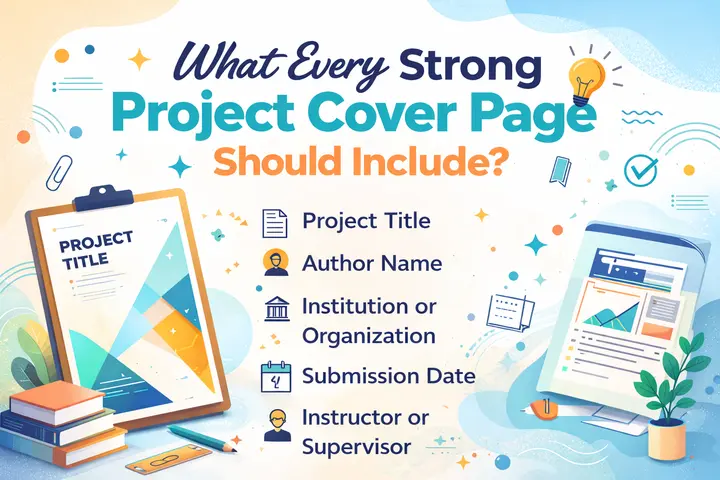
The project title should always be the dominant visual element. It is the first piece of information readers look for, so it needs to be large, clear, and positioned prominently on the page.
Supporting information follows the title and provides context for the work. These details typically include the author’s name, the institution or organization associated with the project, and the date or submission context.
A typical front page structure includes:
- Project title: The most prominent element, placed near the center or upper portion of the page.
- Author or contributor name: Positioned beneath the title to establish authorship.
- Institution, organization, or project category: Provides context about where the project belongs.
- Submission or presentation date: Useful for academic, professional, and archival purposes.
- Instructor, supervisor, or project lead: Included when required for formal submissions.
The relationship between these elements is just as important as the elements themselves. Proper spacing, font hierarchy, and alignment transform basic information into a visually organized layout.
These same principles guide professional website design across many formats.
For example, website homepages use identical hierarchy patterns. Headlines capture attention first, subheadings provide context, and supporting content follows in structured sections.
Getting Typography Right for Your Front Page
Typography plays a major role in how polished a front page design appears. Many poorly designed project covers fail not because of color or images, but because of inconsistent fonts.
A simple rule works best: limit your design to two fonts. One font should serve as the main title typeface, while the other handles supporting text.
The title font can have more personality. Bold sans-serif fonts like Montserrat, Inter, or Poppins work well because they are highly legible and visually striking. Supporting details should use a neutral font that remains easy to read at smaller sizes.
Contrast between the fonts creates visual hierarchy. If both fonts look too similar, the page feels flat. If too many fonts are used, the design becomes chaotic.
Professional web designers follow the same rule when building website interfaces. Most websites rely on two or three fonts at most. This keeps the layout clean and consistent across pages.
Color, Layout, and Alignment Basics That Always Work
Color is one of the easiest design elements to misuse. A limited palette almost always produces stronger results than an overloaded one. Two or three colors are typically enough to create a balanced design.
A common approach includes:
- One dominant color
- One accent color
- A neutral background such as white or light gray
Choosing colors based on the project theme also helps reinforce the message. Science or technology topics often use blue or green tones that communicate clarity and precision. Business subjects frequently rely on navy or deep neutral tones that suggest authority and professionalism.
Layout and alignment play an equally important role. Center alignment is common for formal academic covers because it feels traditional and symmetrical. Left alignment, on the other hand, creates a modern and editorial look.
The most important rule is consistency. Once you choose an alignment style, maintain it throughout the page. When elements follow a logical grid structure, even simple designs appear deliberate and professional.
In web design, these same layout principles guide the creation of homepage hero sections and landing page structures. A well-designed website uses grid alignment, clear spacing, and balanced color to guide visitors naturally through the content.
Creative Front Page Design Ideas for Project Work
For a project front page or cover page, use a clean layout, clear typography, and a cohesive color scheme. The goal is to create a page that immediately communicates what the project is about while maintaining a professional and organized appearance.
A strong front page relies on clear visual hierarchy. The project title should stand out first, followed by supporting information such as the author name, institution, and submission date.
When these elements are structured thoughtfully, the entire project appears more polished and easier to understand. Below are some of the most effective front page design ideas used in project covers, reports, and even modern website homepages.
Minimalist Layout
Minimalist design focuses on simplicity and clarity. Instead of filling the page with decorative elements, the design highlights the project title and essential details using clean spacing and simple typography.
A minimalist front page works well because it keeps the reader’s attention on the content rather than distractions.
Key elements of a minimalist cover page include:
- Plenty of white space that allows each element to breathe
- A strong, easy to read title font
- Limited colors, usually one dominant color with one accent
- Simple shapes or lines used sparingly for visual balance
This design style is widely used in modern presentations and professional websites because it communicates clarity and confidence.
Modern Corporate Style
A modern corporate style is ideal for projects related to business, commerce, marketing, or professional studies. This approach emphasizes structure, consistency, and a polished appearance.
The goal is to create a front page that feels professional and organized, similar to a business report or corporate presentation.
Common elements used in corporate style covers include:
- Professional color palettes such as navy, black, or deep blue
- Clean grid based layouts that align text and images
- High quality icons or subtle graphics to enhance structure
- Clear typography with a bold title and smaller supporting text
This approach works particularly well when the project needs to convey credibility and professionalism.
Aesthetic or Creative Design
Creative projects often benefit from visually expressive front pages. Instead of focusing purely on structure, aesthetic designs introduce artistic elements that reflect the theme of the project. This style works best for subjects such as art, literature, media, or design related presentations.
Aesthetic front pages often include:
- Soft pastel or gradient color palettes
- Hand drawn illustrations or creative graphics
- Decorative typography that reflects the theme of the project
- Balanced layouts that combine text and visual elements
When used carefully, these elements help create a front page that feels unique and visually engaging.
Strong Header or Hero Focus
One of the most effective design techniques is placing a strong headline at the top of the page, supported by a short description or subtitle. This approach immediately tells the reader what the project is about.
This layout technique is very similar to the hero sections used on modern websites, where the main message is presented clearly before any additional information appears.
A strong header section usually includes:
- A large, bold project title positioned prominently
- A short supporting subtitle explaining the topic
- Clean spacing between the title and other elements
- Optional background graphics or color blocks to highlight the headline
This structure helps guide the reader’s attention and ensures the most important information is seen first.
Geometric or Border Designs
Geometric layouts add structure and visual interest to a front page without making it look overcrowded. Shapes such as lines, triangles, or subtle patterns can frame the content and create a balanced layout.
These designs work particularly well for technical subjects such as mathematics, engineering, architecture, or data science.
Geometric front page designs typically include:
- Light geometric shapes placed in corners or backgrounds
- Subtle borders that frame the content area
- Consistent alignment using grid based layouts
- A limited color palette to keep the design clean and modern
When used thoughtfully, geometric elements help create a cover page that feels structured and visually appealing.
Image Based Front Page Design
Projects that rely on storytelling or visual themes can benefit from using a strong image as the background of the cover page. A carefully chosen image immediately sets the tone and communicates the subject of the project.
A well balanced image based front page usually includes:
- A high quality background image related to the project topic
- A semi transparent overlay to keep text readable
- Minimal supporting text so the design remains clean
- A bold title placed over the image
This approach works well for topics such as history, travel, environment, media studies, or creative writing projects.
Digital Front Pages and WordPress Website Design
As design increasingly moves from printed documents to digital platforms, the idea of a front page has evolved into something interactive.
Front page design becomes even more powerful when the project itself is digital. In web projects, the front page transforms into a homepage that visitors interact with rather than simply view.
Modern website front pages include responsive layouts, interactive navigation, and multimedia elements that guide users through the experience. Instead of functioning as a static introduction, the front page becomes the main hub that introduces the brand and highlights key information.
Platforms like WordPress make it possible to build these experiences using flexible page builders, custom themes, and modular content systems. With the right structure, a homepage can communicate a message clearly while encouraging visitors to explore further.
From Project Covers to Professional Website Design
The connection between project cover pages and website design is stronger than many people realize. Both rely on the same core design principles.
A project front page introduces the topic and organizes information so readers immediately understand what the document is about. A website homepage performs the same role for a brand or business.
Typography hierarchy, color balance, spacing, and layout alignment determine how easily viewers process information. When these elements work together, the design feels clear and intentional.
Learning to design strong project covers often becomes an early step toward understanding professional design thinking. The skills used to organize a cover page translate directly into designing presentations, digital products, and websites.
How Seahawk Media Applies These Principles to Website Design?
At Seahawk Media, website design begins with the same question every effective front page asks: what should the viewer understand immediately?
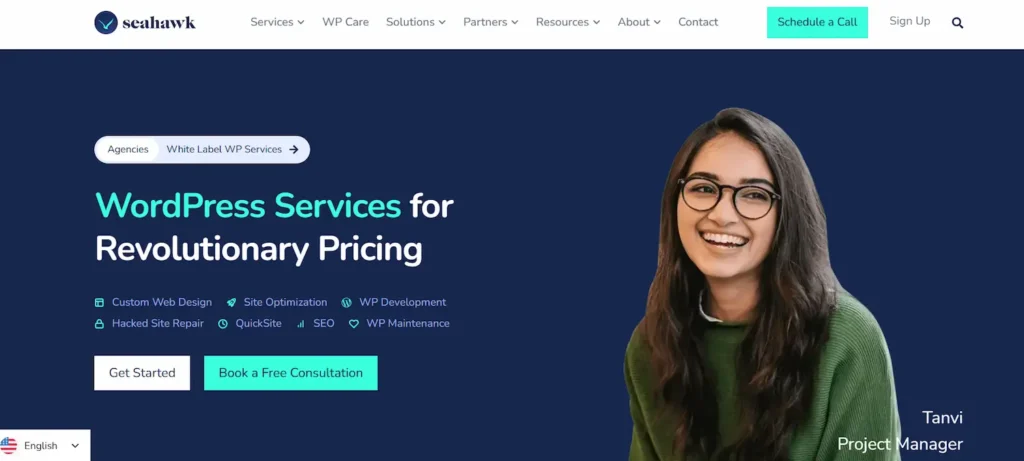
Our approach to WordPress website design focuses on clear messaging, visual hierarchy, and user-friendly layouts. Every website is structured so visitors can quickly understand the purpose of the site and navigate to the information they need.
By combining thoughtful design systems with scalable WordPress architecture, Seahawk builds websites that are visually appealing, responsive across devices, and optimized for performance.
From startup websites to enterprise platforms, the objective remains the same: create a digital front page that communicates the brand clearly and encourages visitors to take action.
If you want to turn strong design ideas into a professional website, Seahawk Media helps businesses create modern WordPress websites that deliver powerful first impressions.
Tools to Create Your Project Cover Page
You do not need advanced design software to create a strong front page. Several accessible tools can help you design professional looking cover pages quickly.
- Canva provides hundreds of customizable templates that allow you to build visually appealing designs with simple drag and drop editing. It is one of the most popular tools for beginners because it requires no prior design experience.
- Microsoft Word includes built-in cover page templates that can be customized with fonts, shapes, and images. Since many academic projects are submitted in Word format, designing the cover page directly within the document is often convenient.
- Google Docs offers a simpler design environment but is useful for collaborative projects where multiple contributors need access to the same file.
- Adobe Express offers polished templates and design tools that allow users to create professional cover pages quickly without needing advanced graphic design skills.
Final Thoughts
A strong front page design for project work does more than introduce a document. It shapes the first impression and influences how the rest of the content is perceived.
By focusing on clear hierarchy, balanced layouts, readable typography, and thoughtful color choices, anyone can create a front page that feels intentional and visually appealing.
These design principles extend far beyond academic projects. The same ideas guide the creation of professional presentations, marketing materials, and website homepages.
At Seahawk Media, these fundamentals form the foundation of every website we design. Whether it is a simple landing page or a large WordPress platform, the goal is always to communicate the message clearly and guide visitors through the experience.
FAQs About Front Page Design
What is a front page design for project work?
A front page design for project work is the cover page of a report, assignment, or presentation. It introduces the project and provides essential details such as the title, author name, institution, and submission date.
A well-designed front page helps create a strong first impression and communicates professionalism before the reader begins reviewing the actual content.
What should be included on a project front page?
A typical project front page should include the project title, author or student name, institution or organization name, submission date, and instructor or supervisor details if required. The title should be the most prominent element, followed by supporting information arranged in a clear and organized layout.
What makes a front page design look professional?
A professional front page design uses clear typography, balanced spacing, and a simple color palette. Limiting the design to two fonts and two or three colors helps maintain visual consistency. Proper alignment and a strong hierarchy ensure that the title and key information stand out immediately.
How is a project front page similar to a website homepage?
A project front page and a website homepage both serve as introductions. They communicate the main idea quickly and guide the viewer toward the next step. In web design, the homepage acts as a digital front page that presents the brand, highlights key information, and encourages visitors to explore further.