
Finding a good domain name feels harder than it used to. Most short and clean .com names are already gone. That is why more people are turning to the newest and fastest growing TLDs instead of fighting for leftovers.
In 2026, these newer domain extensions are growing because they feel clear, direct, and easier to trust. They help your website name match what you actually do.
In this guide, you will see which TLDs are growing the fastest right now and why choosing the right one can make your site easier to remember, click, and build around.
What are Top-Level Domains (TLDs)?
A top-level domain is the last part of a website address. It sits after the dot and signals what type of website you run. Examples include .com, .org, and newer options like .ai or .shop.

There are three main categories. Legacy TLDs are older extensions such as .com and .org. Country-code TLDs relate to geography, like .in or .uk. New gTLDs are modern extensions created to expand naming options as the internet grew.
New TLDs exist because demand never slowed down. Short, clear .com names are mostly unavailable or overpriced. New extensions give you space to build a domain that feels deliberate and usable.
Find the Right Domain for Your Website
Explore the new TLDs and secure a domain that fits your brand, industry, and long-term goals.
Why Fastest Growing TLDs Matter?
In 2026, you compete for attention the moment someone sees your domain. Fastest-growing TLDs help you communicate intent more quickly and avoid awkward naming workarounds.
.com domains present real barriers. Availability is low. Prices are high. Many usable names sit unused. New TLDs remove these limits and give you access to names that fit without compromise.
Search engines focus on relevance and user behavior. A TLD that aligns with your niche can support trust and improve click-through rates. In 2026, growing TLDs matter because they let you build credibility without fighting legacy constraints.
Key Factors Driving the Growth of New TLDs
New domain extensions are growing because old naming rules no longer work. You need domains that are available, clear, and built for how people search and browse today.
- Brand-Focused Domain Naming: You build a brand name that sounds complete and intentional. New TLDs let the domain support your message instead of forcing you to modify it. This helps your brand look modern and well thought out.
- Industry and Niche Targeting: You match your domain with your field or service. A niche-based TLD helps people understand your focus instantly. This improves relevance and attracts the right audience from the first impression.
- Better Availability and Memorability: You find short, meaningful names without numbers or extra words. New TLDs make it easier for people to remember your site and return without confusion.
- Increased Adoption by Startups and Businesses: You see startups and established brands use new TLDs for launches and campaigns. As more businesses adopt them, trust grows and these extensions become standard choices instead of alternatives.
How Do New TLDs Impact SEO?
Fastest-growing TLDs do not give automatic ranking advantages, but they also do not hurt SEO. Google treats all valid top-level domains the same. A new TLD can rank just as well as a .com when the site follows strong SEO practices.
Google focuses on content quality, relevance, and user experience, not on the age or popularity of a domain extension. Your TLD does not act as a ranking factor on its own. What matters is how well your site answers search intent and earns trust over time.
TLD choice helps SEO by improving clarity and relevance for users. A domain that matches your niche can increase click-through rates and user confidence, which indirectly supports performance.
TLD choice does not affect SEO when the site lacks quality content, technical health, or authority signals. In those cases, the extension alone cannot compensate.
New and Fastest Growing TLDs to Watch Out for in 2026
Domain trends in 2026 show one clear shift. People no longer pick extensions out of habit. They choose them based on use case, industry fit, and how easily a name comes together. This has pushed different categories of TLDs into steady growth.
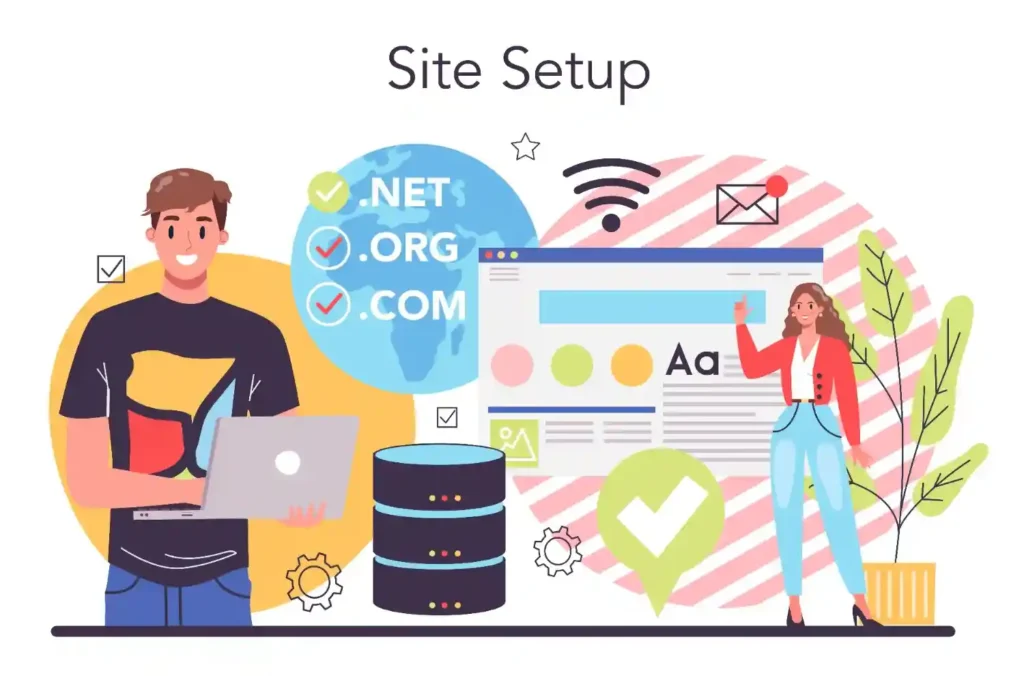
Tech And Innovation TLDs (.ai, .tech, .io)
Tech-focused TLDs continue to grow as software, AI, and digital tools launch at scale. Startups and SaaS companies often move fast, and they cannot afford to wait for an ideal .com to become available.
These extensions allow founders to secure short, direct domain names that match product identity. They also signal innovation and technical focus, which matters in competitive tech markets.
Business And Professional TLDs (.co, .biz, .consulting, .services)
Business and professional TLDs see strong adoption across service-driven industries. Agencies, consultants, and B2B providers use them to signal purpose immediately.
A professional extension sets context before a visitor reads a single line of content. This improves trust, reduces confusion, and helps the site feel structured and credible from the first impression.
Creative And Community TLDs (.design, .studio, .media)
Creative and community-focused TLDs attract creators, publishers, and media platforms. These projects rely heavily on identity and audience connection, which makes naming especially important.
These extensions support branding without overexplaining. They allow creators to build recognition while keeping the domain aligned with content, tone, and creative direction.
Geographic And Regional TLDs (.nyc, .london, .berlin, .in)
Geographic TLDs continue to rise as local targeting becomes more valuable. Businesses that serve specific cities or regions use these extensions to anchor their presence.
A regional domain strengthens local relevance and improves visibility for location-based searches. It also helps businesses stand out in competitive local markets where trust and proximity matter.
E-Commerce And Product TLDs (.store, .shop, .buy)
E-commerce-focused TLDs grow as direct-to-consumer brands expand. Online stores use these extensions to clearly communicate buying intent.
These TLDs work well for product launches, niche stores, and branded storefronts. They reduce friction by making it obvious that the site exists to sell.
Finance And Digital Economy TLDs (.finance, .crypto, .money)
Finance-related TLDs gain traction among fintech platforms, investment tools, and digital payment services. These industries require clarity and trust from the start.
A finance-focused extension helps segment serious platforms from generic sites. When paired with strong security signals, these TLDs support credibility in sensitive industries.
Fastest Growing TLDs vs Traditional .com Domains
.com domains remain widely used, but availability has become a major challenge. Most short and clear names are already registered, which increases competition and acquisition costs.
The fastest-growing TLDs offer more open inventory, making it easier to secure a relevant domain without compromise.
Branding flexibility is another key difference. New TLDs allow the extension to become part of the brand message. This makes domain names cleaner and more intentional, especially for niche-focused websites.
Cost varies depending on the extension. Many .com domains carry high resale prices, while new TLDs often cost less to register. Renewal fees can be higher for some new extensions, so long-term pricing should always factor into the decision.
Who Should Consider New TLDs?
Startups and new brands benefit from faster access to usable domain names. New TLDs reduce delays during launch and support clear brand positioning from day one.
Niche businesses and communities derive value from extensions that align with their focus. A relevant TLD helps attract the right audience and strengthens identity without extra explanation.
Campaigns, microsites, and short-term projects also work well with new TLDs. These extensions allow targeted naming without long-term commitment to premium .com domains.
Risks and Considerations Before Choosing a New TLD
Choosing a new TLD requires more than checking availability. You need to evaluate how the extension fits trust, communication, and long-term brand goals.
- Trust and Recognition Factors: Some users still recognize .com faster than newer extensions. You may need stronger branding and consistent messaging to build familiarity and confidence.
- Email Deliverability Concerns: Certain new TLDs face higher spam filtering, especially during early adoption. You should test email deliverability and set up proper authentication to avoid issues.
- Long-Term Brand Strategy Alignment: Your TLD should support where the brand is heading, not just the launch phase. Changing extensions later can create confusion and weaken brand equity.
How to Choose The Right TLD for Your Online Business?
Choosing a TLD is a strategic decision, not a technical one. The right extension supports branding, usability, and long-term growth, while the wrong choice can create friction or limit flexibility. Before you register a domain, review these core checkpoints.
Use this checklist to decide whether a TLD fits your website, brand, and long-term goals.
- Match TLD To Brand and Audience: Choose an extension that aligns with what you offer and who you serve. The TLD should feel natural with your brand name and clear to your target audience.
- Check Renewal Costs and Registry Policies: Review annual renewal fees and pricing rules before registering. Some TLDs increase costs over time or apply premium pricing that affects long-term budgets.
- Test Usability and Perception: Say the full domain out loud and check how it looks in text and ads. Make sure people can read, remember, and trust it without confusion.
Conclusion
New and Fastest Growing TLDs are no longer niche experiments. In 2026, they play a real role in how brands name, position, and launch websites. As .com availability continues to shrink, businesses increasingly choose extensions that offer clarity, relevance, and flexibility.
The right TLD does not replace strong content or SEO strategy, but it can support visibility, branding, and user trust when chosen carefully. Whether you are launching a startup, building a niche platform, or running targeted campaigns, modern TLDs provide practical options that align with how the web works today.
FAQs About New TLDs
Do new TLDs rank as well as .com domains?
Yes. Google treats all valid TLDs equally. Rankings depend on content quality, relevance, and user experience, not the extension itself.
Are new TLDs safe to use for business websites?
Yes, when used correctly. Many businesses use new TLDs successfully. Trust comes from branding, security, and consistency, not just the domain ending.
Why are Fastest Growing TLDs becoming popular in 2026?
They offer better availability, clearer naming, and stronger alignment with specific industries and use cases.
Can a new TLD affect email deliverability?
Some newer extensions may face stricter spam filtering. Proper email setup and authentication help reduce this risk
Are new TLDs more expensive than .com domains?
Registration costs are often lower, but renewal fees can vary. Always check long-term pricing before choosing a TLD.
Who should avoid using new TLDs?
Brands that rely heavily on legacy recognition or lack resources for branding and education may prefer traditional extensions.


