WordPress web accessibility means making your website usable for everyone, including people with disabilities, by following proper design, structure, and content practices. It ensures users can easily navigate, read, and interact with your site, regardless of their abilities or devices.
This directly impacts your SEO, user experience, and overall growth. Search engines favor accessible websites because they are easier to crawl, load faster, and are better structured.
In this guide, you will understand why accessibility matters, how it affects rankings and engagement, and how to implement it properly on your WordPress site.
TL;DR: Improving Accessibility on WordPress in a Nutshell
- Web accessibility makes your site usable for everyone and improves SEO performance.
- Better structure and clean code help search engines crawl and rank your content.
- Accessible design reduces bounce rate and increases user engagement.
- Fixing issues like alt text, headings, and contrast instantly improves usability.
- Tools and plugins help detect and fix problems faster.
- Accessibility supports long-term growth, trust, and conversions.
What is Web Accessibility in WordPress?
Web accessibility in WordPress means building your website so everyone can use it, including people with visual, hearing, motor, or cognitive disabilities. It follows standards like WCAG, which guide how your content should be structured, designed, and presented so users can easily access and interact with it without barriers.
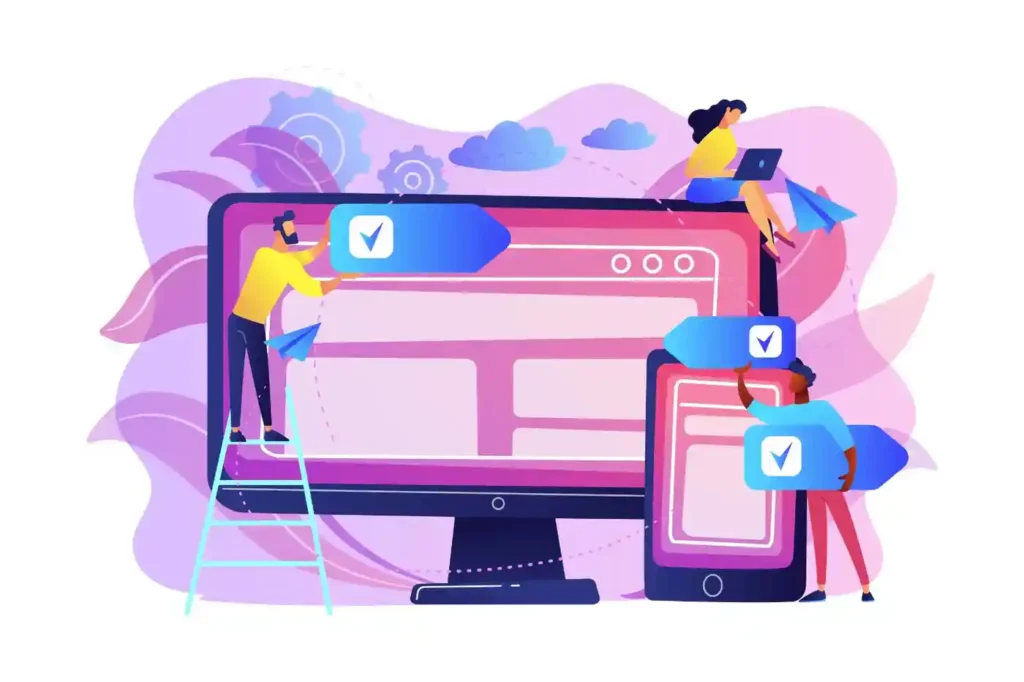
An accessible WordPress site is easy to navigate, readable, and works smoothly across devices and assistive technologies such as screen readers and keyboards.
It uses proper headings, alt text, clear contrast, and logical layout. This not only improves usability but also supports SEO, reduces bounce rates, and helps you reach a wider audience while building trust.
Why Web Accessibility Matters for SEO and Growth?
Web accessibility directly affects how users interact with your site and how search engines understand it. A well-structured, accessible website performs better in rankings and delivers a smoother user experience.
Here’s why it matters:
- Improves User Experience: Accessible websites are easier to navigate, read, and interact with, keeping users engaged and reducing friction.
- Boosts SEO Performance: Clean structure, proper HTML semantics, and optimized content help search engines crawl and index your pages more effectively.
- Reduces Bounce Rate: When users can easily use your site, they stay longer and explore more pages, improving engagement signals.
- Expands Audience Reach: Accessibility enables you to serve a wider audience, including users with disabilities, thereby increasing your traffic potential.
- Builds Trust and Credibility: A user-friendly and inclusive website creates a stronger brand perception and improves conversion rates.
Build a More Accessible and High-Performing WordPress Site
If you want better SEO, stronger user experience, and long-term growth, expert WordPress development can help you create a site that is fast, accessible, and built to scale.
How Accessibility Directly Impacts SEO Performance?
Web accessibility improves SEO by making your website easier for both users and search engines to understand, navigate, and interact with. When your site follows accessibility best practices, it naturally aligns with Google’s ranking factors, such as structure, speed, usability, and mobile experience.
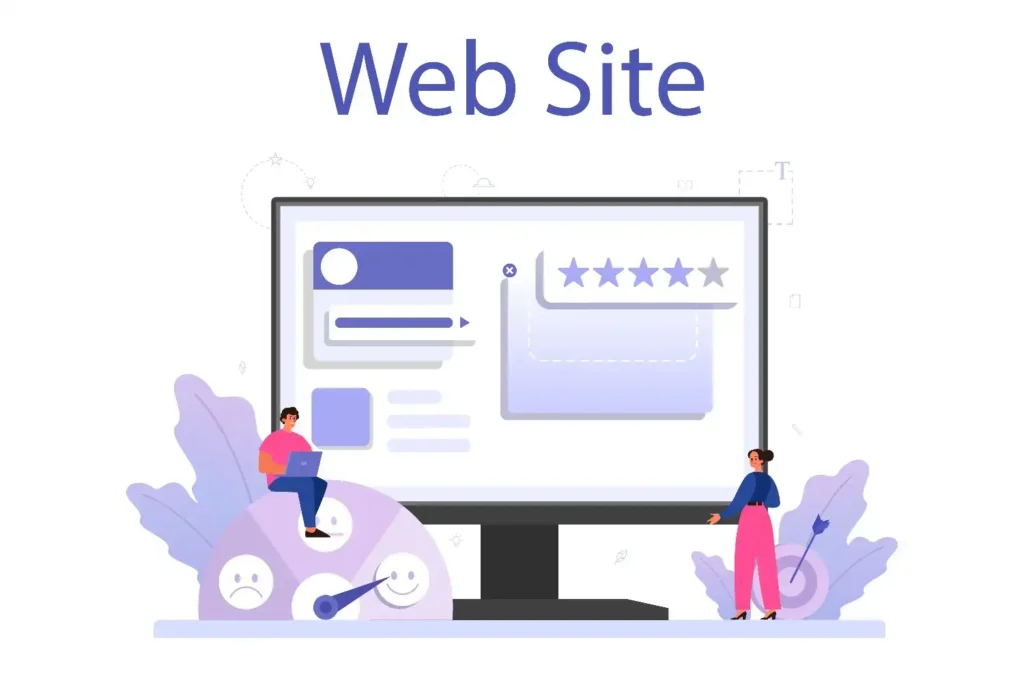
Here’s how accessibility directly boosts your SEO performance:
Improved Site Structure and HTML Semantics
A well-structured website uses proper HTML elements like headings, lists, and landmarks, which makes content easier to understand for both users and search engines. This improves crawlability and helps search engines correctly interpret your content hierarchy.
When your structure is clean and semantic, it increases your chances of ranking for featured snippets and improves overall indexing efficiency. Accessibility and SEO work together here because both rely on clarity and structure.
Faster Load Time and Performance
Accessible websites are usually lighter and better optimized, which improves loading speed. Clean code, optimized images, and minimal unnecessary scripts reduce page load time, which is a direct ranking factor. Faster websites keep users engaged and reduce bounce rates. This sends positive signals to search engines, improving your chances of ranking higher over time.
Better Content Readability and Clarity
Accessibility focuses on making content easy to read and understand. This includes proper contrast, readable fonts, clear headings, and logical content flow, all of which improve the user experience. Search engines prefer content that is easy to scan and understand. Better readability increases time on page, engagement, and overall SEO performance.
Mobile Accessibility and Responsiveness
Accessible websites are designed to work smoothly across all devices, especially mobile. This ensures that users can navigate, read, and interact with your site without issues on smaller screens. Since Google uses mobile-first indexing, a responsive and accessible design directly impacts rankings. Better mobile usability leads to higher engagement and improved SEO results.
Common WordPress Accessibility Issues That Hurt SEO
Accessibility issues often go unnoticed, but they directly affect how users interact with your site and how search engines understand your content. These problems reduce usability, increase bounce rates, and limit your SEO performance.
Here are the most common issues that can hurt both accessibility and rankings:
- Missing Alt Text for Images: Images without descriptive alt text cannot be understood by screen readers or search engines, which affects accessibility and image SEO.
- Poor Color Contrast: Low contrast between text and background makes content hard to read, especially for visually impaired users, resulting in a poor user experience and higher bounce rates.
- Improper Heading Structure: Skipping or misusing heading levels disrupts the content hierarchy, making it harder for users and search engines to navigate your page.
- Non-Accessible Navigation Menus: Complex or poorly structured menus make it difficult for users to find information, especially when using keyboards or assistive tools.
- Keyboard Navigation Issues: If users cannot navigate your site using only a keyboard, it limits accessibility and creates barriers for many users.
- Unlabeled Forms and Buttons: Forms without clear labels or buttons without proper descriptions confuse users and reduce conversions.
- Auto-Playing Media without Controls: Videos or audio that play automatically without user control can disrupt the user experience and accessibility.
- Lack of ARIA Labels and Landmarks: Missing accessibility attributes make it harder for assistive technologies to interpret page structure correctly.
How to Fix Accessibility Issues in WordPress?
Fixing accessibility issues in WordPress starts with improving the parts of your site that affect usability the most. When you make your website easier to navigate, read, and interact with, you also improve SEO, engagement, and user trust.
Start with the basics first, then work through structure, design, and functionality. These fixes make your site more inclusive and help search engines better understand your content.
Add Alt Text and Improve Media Accessibility
Alt text helps screen readers describe images to users who cannot see them. It also provides search engines with better context for your visual content, which supports image SEO and overall relevance.
Every important image should have clear, descriptive alt text that explains what the image shows. You should also avoid using images to display important text, because that creates accessibility barriers and reduces clarity.
Fix Heading Structure and Semantic HTML
Your heading structure should follow a clear order from H1 to H2 to H3 without skipping levels. This helps users scan the page easily and allows search engines to understand your content hierarchy.
Semantic HTML also matters because it gives meaning to your page elements. Using proper tags for headings, lists, buttons, and sections makes your site easier to crawl and improves accessibility for assistive tools.
Improve Color Contrast and Design
Low contrast between text and background makes content difficult to read, especially for users with visual impairments. Strong contrast improves readability and keeps your content accessible across devices and lighting conditions.
You should also avoid relying only on color to communicate meaning. Buttons, links, alerts, and form errors should be clear through text and structure, not just visual styling.
Enable Keyboard Navigation
Many users rely on a keyboard rather than a mouse to navigate a website. If your menus, buttons, and links cannot be accessed with the keyboard, your site creates serious usability issues.
Test your site by navigating with the Tab key and check whether users can move through all important elements in a logical order. Clear focus states also help users see where they are on the page.
Optimize Forms and Buttons
Forms and buttons should be easy to understand and easy to use. Every form field needs a clear label, and every button should explain exactly what action it performs.
Avoid vague button text and make error messages specific so users know what needs to be fixed. Accessible forms improve conversions by reducing friction and helping more users complete actions successfully.
Best WordPress Accessibility Tools and Plugins
Using the right tools helps you quickly identify and fix accessibility issues without manual effort. These tools scan your site, highlight problems, and guide you toward better compliance and usability.
Here are some of the most effective accessibility tools and plugins:
- WP Accessibility: Adds simple fixes like skip links, outline focus, and form label improvements to make your site more accessible without heavy setup.
- UserWay Accessibility Widget: Provides an on-site accessibility toolbar that lets users adjust contrast, text size, and navigation to suit their needs.
- Accessibility Checker: Scans your content in real time and flags issues such as missing alt text, improper headings, and contrast problems directly in WordPress.
- Lighthouse (Google Tool): Audits your site for accessibility, performance, and SEO, giving you a detailed report with actionable improvements.
- axe DevTools: A powerful browser extension that detects accessibility issues in real time and helps developers fix them during testing.
- Equalize Digital Accessibility Plugin: Offers detailed reports and ongoing monitoring to ensure your site stays compliant with accessibility standards.
Accessibility Checklist for WordPress Sites
Use this checklist to ensure your WordPress site is accessible, user-friendly, and SEO-optimized. These basics help improve usability, crawlability, and overall site performance.
- Add Alt Text to All Images: Write clear, descriptive alt text for every image so screen readers and search engines can understand the content.
- Use Proper Heading Hierarchy: Follow a logical structure from H1 to H2 to H3 to make content easy to scan and improve SEO clarity.
- Ensure Readable Color Contrast: Use strong contrast between text and background so content is easy to read for all users.
- Enable Keyboard Navigation: Ensure users can access menus, links, and forms solely with the keyboard without issues.
- Use Accessible Forms and Buttons: Add clear labels to form fields and use descriptive button text to improve usability and conversions.
- Test With Accessibility Tools: Regularly scan your site using tools like Lighthouse or accessibility plugins to identify and fix issues.
Conclusion
WordPress web accessibility is not just a technical requirement; it directly affects how your site performs, ranks, and converts. When your website is easy to use, structured properly, and accessible to all users, it naturally aligns with what search engines want.
A strong accessibility setup improves user experience, increases engagement, and helps you reach a wider audience. Focus on fixing core issues, maintaining consistency, and regularly testing your site. That is how you turn accessibility into real SEO growth.
FAQs on WordPress Web Accessibility
How does web accessibility improve SEO rankings?
Accessibility improves SEO by making your site easier to crawl, faster to load, and better structured. These factors help search engines understand your content and improve rankings.
How do you check accessibility issues in a WordPress site?
How do you check accessibility issues in a WordPress site?
You can use tools like Lighthouse, Accessibility Checker, or browser extensions to scan your site. These tools highlight issues such as missing alt text, poor contrast, and structural problems.
Can accessibility improve website conversions?
Yes, when your site is easy to use and understand, more users complete actions such as filling out forms or making purchases. Better usability leads to higher conversions.
What are the most common accessibility issues in WordPress?
What are the most common accessibility issues in WordPress?
Common issues include missing alt text, poor heading structure, low color contrast, inaccessible navigation, and unoptimized forms.
Is web accessibility required for all websites?
Accessibility is not always legally required for every site, but it is strongly recommended. It improves usability, expands reach, and builds trust with users.
How often should you audit website accessibility?
You should audit your site regularly, especially after updates or design changes. Ongoing checks help you catch and fix issues before they affect performance.