Artificial intelligence is no longer a tool reserved for large corporations with dedicated tech teams. In 2026, over 68 percent of small businesses in the US use AI regularly, and the gap between enterprise and small-business AI capabilities has nearly closed.
The real question is not whether you should use AI. It is which parts of your business it can help most right now without adding complexity or cost. This guide covers the most practical ways small business owners can start using AI today.
Small business owners can use artificial intelligence to automate repetitive tasks, improve customer service, create content, analyse data, support marketing efforts, and streamline daily operations. AI tools help businesses work more efficiently without significantly increasing costs or staffing requirements.
Why Artificial Intelligence Matters for Small Businesses?
Small businesses using AI report reductions of 30-40% in operational costs. In 2024, 48 percent of small businesses used AI regularly. By 2026, that number reached 68 percent. The accessibility gap has closed, and the ROI is now proven.
Save Time on Repetitive Tasks
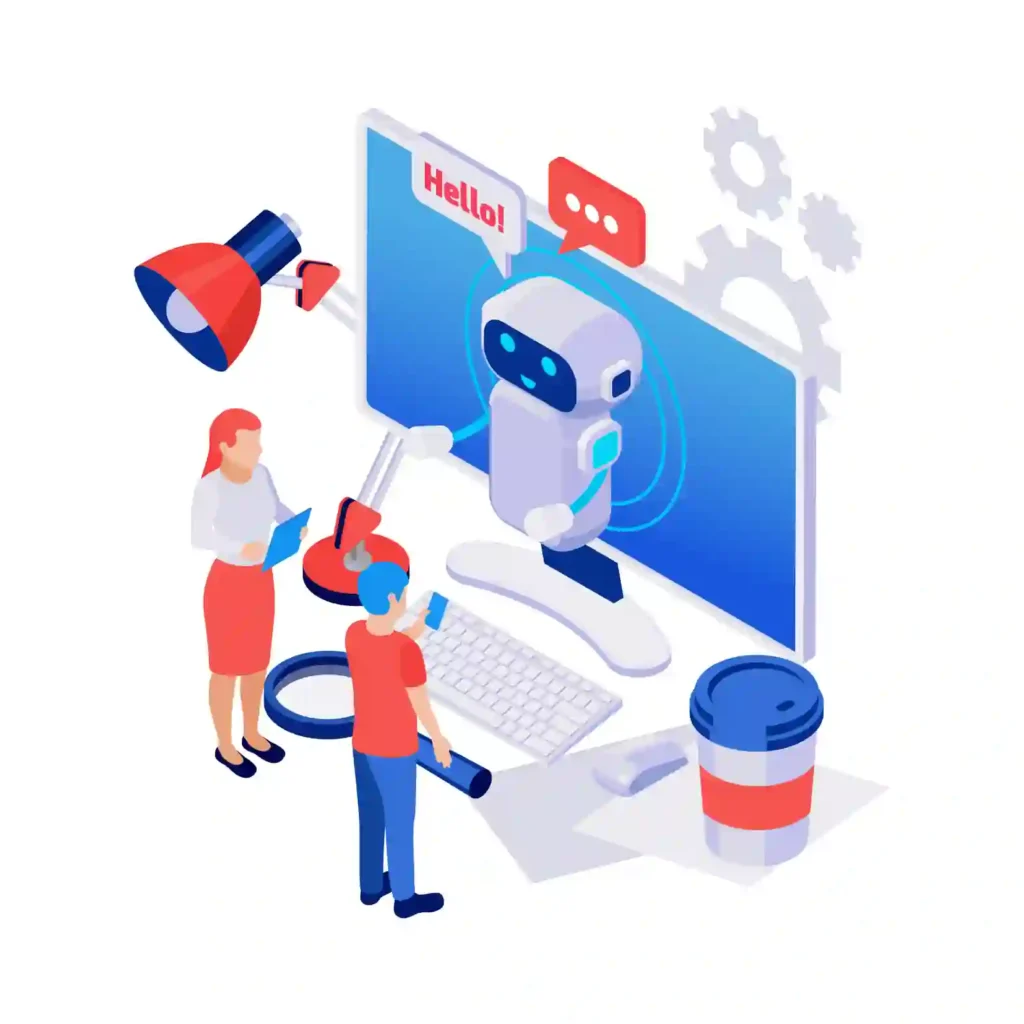
Repetitive tasks are the highest-value starting point for AI adoption. Tasks like data entry, scheduling, email responses, and customer inquiry routing follow predictable patterns that AI-powered automation handles reliably.
Reclaiming two or three hours per day from repetitive work redirects that capacity toward the strategic work that actually grows your business.
Improve Efficiency Without Hiring More Staff
Hiring additional staff to handle growing demands is expensive and slow. AI tools extend your existing team’s capacity by handling volume that would otherwise require additional headcount.
A business that previously needed a part-time assistant for content, scheduling, and customer responses can often replace that workload with AI tools at a fraction of the salary cost.
Practical Ways Small Business Owners Can Use Artificial Intelligence
Small businesses across the US, UK, Australia, and globally consistently report the strongest AI returns from these five use cases. Start with the one that addresses your biggest bottleneck.
Use AI for Customer Service
AI chatbots handle common questions, resolve routine issues, and automatically escalate complex problems to human team members. Tools like Tidio and ManyChat provide 24/7 coverage that would require multiple staff members to replicate.
A retail business receiving 50 repetitive queries per day can automate the majority of responses and redirect team capacity to the inquiries that genuinely need human judgment.
Use AI for Content Creation
Generative AI tools like ChatGPT and Claude produce blog outlines, social media posts, product descriptions, and email content in minutes. Most AI-generated content in 2026 requires only light editing, not complete rewrites.
A consistent publishing schedule that was previously difficult to maintain with a small team becomes achievable when AI handles first drafts and outlines.
Use AI for Marketing and Advertising
AI marketing tools analyze audience behavior, generate ad copy variations, and surface insights about which content performs best. Tools like HubSpot AI combine CRM data with AI-powered recommendations that previously required a dedicated marketing analyst.
Small businesses can run more targeted campaigns with the same budget by using machine learning to identify the audiences and messages that convert.
Use AI for Business Operations
Workflow automation through tools like Zapier AI connects your existing applications and eliminates manual steps between them. When a customer books an appointment, AI-powered automation sends a confirmation email, updates your CRM, and schedules a follow-up, all without manual input.
Teams that previously spent hours on operational overhead redirect that time toward client work and business development.
Use AI for Data Analysis
AI data tools process customer behavior, sales trends, and performance data at speeds and depths that manual analysis cannot match. Machine learning models identify patterns that would take days to find manually.
Small businesses use these insights to identify their most valuable customer segments, forecast demand, and make operational decisions based on evidence rather than instinct.
Ready to Put AI to Work on Your WordPress Website?
Seahawk’s WordPress AI services cover AI chatbot integration, AI-assisted content generation, performance optimisation, and custom AI solutions tailored to your business goals so your website works smarter without extra overhead.
How AI Can Improve Customer Experience?
AI makes fast, personalized, and consistent service achievable for small businesses without the staffing costs that level of service would otherwise require.
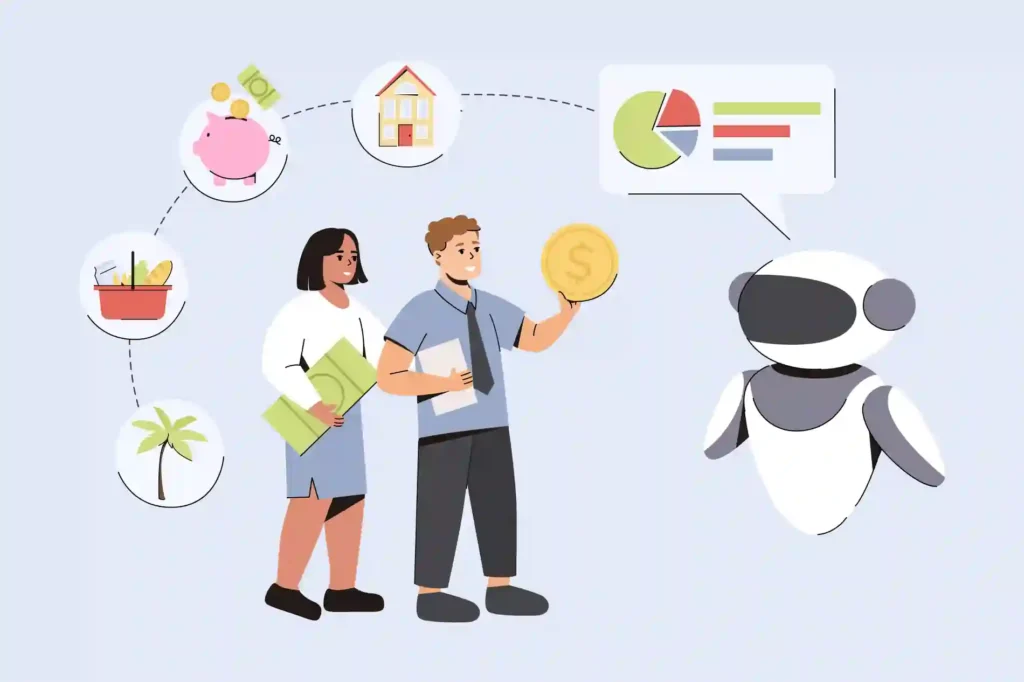
Customers in 2026 expect instant responses and personalized communication across every channel. AI makes meeting those expectations operationally realistic for lean teams.
Customer Experience Benefits
Faster support through AI chatbots reduces response times from hours to seconds. Customers who receive immediate, accurate responses are significantly more likely to complete a purchase and return.
Personalized recommendations increase average order value without requiring manual segmentation work. Consistent response quality across every automated touchpoint builds repeat business and referrals that help small businesses compete against larger brands.
Best AI Tools for Small Business Owners
The right starting tool is the one that solves your biggest bottleneck today. You do not need the most feature-rich option. You need the one you will actually use consistently. Here is how the most practical options compare.
| Tool | Best For | Key Benefit |
|---|---|---|
| ChatGPT | Content and general productivity | Versatile large language model for writing, research, and problem-solving |
| Gemini | Research and planning | Deep information gathering with Google integration |
| Canva AI | Design creation | Marketing asset creation without design expertise |
| Grammarly | Writing improvement | Real-time content editing and tone optimisation |
| Zapier AI | Workflow automation | Connects apps and automates multi-step workflows without code |
| HubSpot AI | Marketing and CRM | Customer management with AI-powered marketing recommendations |
Common AI Mistakes Small Businesses Should Avoid
Most AI adoption failures trace back to the same two mistakes, and both are entirely preventable when you know what to watch for.
Relying Entirely on AI
Removing human oversight from AI outputs entirely is the fastest way to damage customer trust. AI-generated content contains factual errors. AI chatbots mishandle nuanced customer situations. AI recommendations reflect training data rather than the current reality.
The correct model is AI handling volume and humans reviewing quality. A ten-second review catches the mistakes that reach customers when oversight is removed. Developing prompt engineering skills to get better outputs from AI tools is worth doing early in your adoption process.
Using Too Many AI Tools at Once
Adopting multiple AI tools simultaneously before any individual tool is working well creates workflow complexity, unnecessary subscription costs, and team confusion that undermines the efficiency gains AI is supposed to deliver.
Start with one tool solving one specific problem. Measure the ROI of AI on that workflow before adding the next tool. The small businesses that report the strongest results started narrow and expanded deliberately rather than attempting full-scale transformation from day one.
How to Start Using Artificial Intelligence in Your Business?
The fastest way to start using AI in your business is to identify one repetitive task, choose one tool that addresses it, and test a small workflow before expanding. Most successful AI adoption begins with a single use case, not a comprehensive strategy.
- Identify repetitive tasks that consume significant time but follow predictable patterns.
- Choose one AI tool that directly addresses your highest-priority time sink.
- Test a small workflow with the tool before expanding its use across your business.
- Measure results specifically by tracking time saved, output quality, or cost impact.
- Expand successful use cases only after the initial workflow is running reliably.
- Review and optimize regularly, as AI tool capabilities improve rapidly, and your workflows should evolve with them.
Will Artificial Intelligence Replace Small Business Owners?
AI automates routine work efficiently, but strategic decisions, customer relationships, creative problem-solving, and business leadership all require human judgment that current large language models cannot replicate reliably.
The most competitive small businesses in 2026 use AI to free human capacity for the high-value work that differentiates their business. AI handles the volume. Humans handle the judgment. That combination consistently outperforms either AI alone or humans alone.
Conclusion
Artificial intelligence gives small business owners access to capabilities previously available only to enterprises with large technical teams and significant budgets. Customer service automation, content creation, marketing optimization, and workflow automation are all practical and affordable starting points in 2026.
Start with one tool, measure the impact, and build from there. The small businesses that gain the most from AI do so through consistent incremental implementation rather than ambitious overhauls that stall before delivering value.
Frequently Asked Questions About AI for Small Businesses
How can small business owners use artificial intelligence?
Small business owners can use AI for customer service automation through chatbots, content creation for marketing and social media, workflow automation to eliminate manual steps between applications, data analysis to identify sales trends and customer behavior, and marketing optimization to improve campaign targeting and ad performance.
What is the best AI tool for small businesses?
ChatGPT is the most versatile starting point for most small businesses because it handles content creation, research, email writing, problem-solving, and general business assistance across every department. Zapier AI is the strongest option specifically for workflow automation and connecting existing business applications without coding.
Can AI help with customer service?
Yes directly. AI chatbots handle common customer queries, provide 24/7 response coverage, and escalate complex issues to human team members. Tools like Tidio and ManyChat reduce customer response times for routine inquiries from hours to seconds, without requiring additional staff.
Is artificial intelligence expensive for small businesses?
No. ChatGPT, Claude, and Gemini all offer free tiers that cover most small business needs. Paid plans for most AI tools range from $20 to $100 per month. A small business using three to four AI tools typically spends $50 to $150 per month while saving 20 or more hours of work per week.
Can AI create marketing content?
Yes. Generative AI tools produce blog post outlines, social media captions, email marketing sequences, product descriptions, and ad copy in minutes. The output requires light editing to match your brand voice but significantly reduces the time and cost of content production compared to creating everything manually.