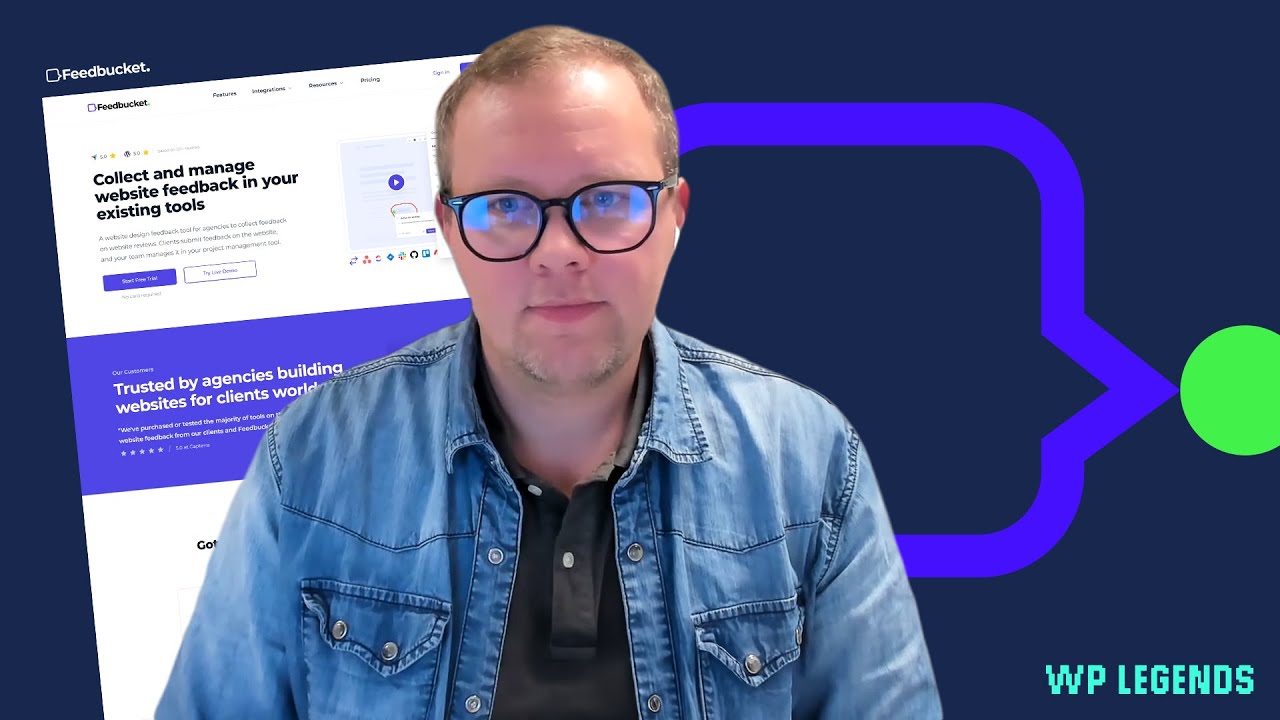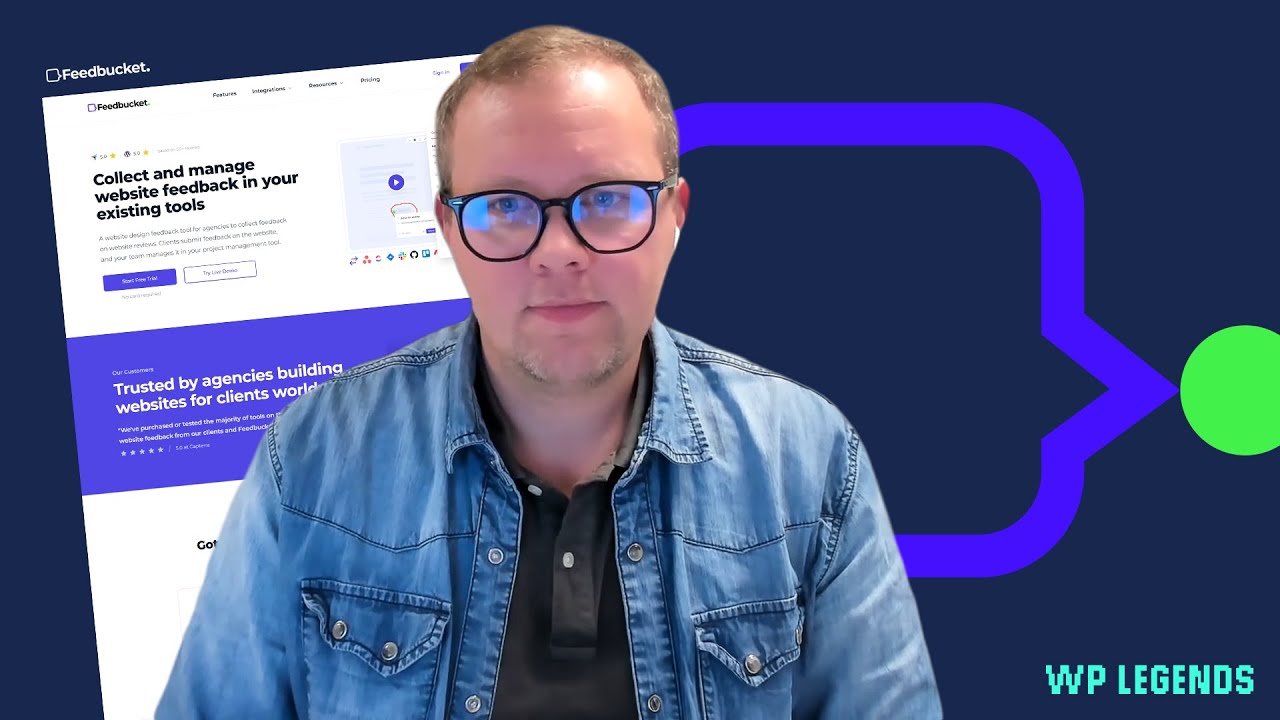
In this episode of WP Legends, we sit down with Georgi Petrov, founder and CEO of NitroPack, now part of WP Engine, the product mind behind SMSBump, acquired by Yotpo, and the force behind his newest venture, Uxify. Few people have built as many impactful products for WordPress, e-commerce, and performance, and this conversation carries extra warmth, since Gautam and Georgi had met days earlier over Japanese tapas in Soho, a casual dinner that turned into a deep talk on WordPress performance and product philosophy.
Watch the Episode
From NitroPack to WP Engine
Georgi founded NitroPack in 2019 with his co-founder and a small core team. When they first crossed paths at WordCamp Europe in Athens, the company was heads down on product, fielding acquisition interest but not seriously entertaining it, because the team had a much bigger vision. Eventually, they sold the NitroPack WordPress business to WP Engine. At its peak, the company had around 50 people, mostly in Bulgaria, powering roughly 1/10 of 1% of all active websites. It stayed bootstrap-minded throughout, taking only an early boost from Eleven Ventures that ultimately returned well.
The growth was a slow burn, not an overnight hit. Georgi describes a pattern he has seen across his startups: build something better positioned than the market offers, do a little marketing, and let it spread organically until an influential user shares it with their audience. NitroPack’s big spike came nearly a year after launch, with a feature set nearly the same as the one it started with. What took time was product market fit and community recognition.
Scaling was the hardest part, one of those nice problems that is also genuinely difficult. Tuned to onboard 50 users a day, the team would suddenly wake to 1,000, and support cannot scale instantly. It grew from one or two people to around twenty-five in a matter of months. The real surprise was the tickets themselves. Most were not technical failures but product expectations issues, like a user asking why their score showed 96 instead of a perfect 100, which pushed the team to make the product communicate its promises far better.
Why He Built Uxify
With NitroPack behind him, Georgi did not retire. He is building again, this time a performance product called Uxify. For a certain kind of founder, he explains, the motivation is to build, not to sell. An acquisition is a nice check mark, but a small moment, and having lived through that exit once, he already knew the vacations would not satisfy him.
The idea took shape in NitroPack’s later days, when he realized performance is far more than page speed. What really matters is perceived user speed, because that determines whether a visitor keeps going or bounces at a moment of friction. Uxify widens the lens to include interaction speed, visual stability, friction points like non-working buttons, unloaded images, broken pages, and even accessibility.
Gautam offered a live example from their dinner, when a menu on his phone took a beat too long to open. Uxify surfaces exactly that kind of friction, shows how it relates to revenue, gives tools to fix it, and benchmarks you against competitors. It’s real user monitoring that even reveals whether hosting is the true culprit, with its LLM pinpointing fixes like edge caching or a slow time-to-first-byte. This is the kind of conversion-focused optimization that pairs naturally with serious WooCommerce development.
Uxify is in late beta with paying customers, heading toward a soft launch, with a fuller launch targeted for Q1 2026. Most inbound comes from centralized commerce platforms like Shopify, Adobe, and Salesforce, though WooCommerce and WordPress are in the mix, and Georgi expects that balance to sharpen as WooCommerce faces competition from Shopify and newer alternatives such as SureCart and FluentCart.
Why Bulgaria Produces Hosting Giants
Asked what is in the water in Bulgaria, Georgi points to history. The country had an early hosting industry back in the nineties, and the level of expertise has stayed high ever since, producing companies like SiteGround, JetHost, and SuperHosting, the largest host in the country. In the US, he notes, many people know Bulgaria primarily through its hosting companies.
Fun Rapid Fire Round
On the plugins he admires, Georgi was candid about his bias, placing NitroPack first, then pointing to WP Engine’s own plugins and, on performance, WP Rocket, which he praised and even recommended at NitroPack when it fit a site better, out of a commitment to transparency.
His advice to new plugin founders was simple: build something small and useful, no matter how small, and validate it by putting it on the market. With today’s AI tools, it is easier than ever to ship and test an idea. Once you see adoption, build on it, and do not keep investing in what people do not find useful.
Get Featured on WP Legends
Are you a plugin creator, WordPress entrepreneur, or someone building something cool in the WP space? We’d love to share your story on WP Legends.
Powered by hosting.com